
Does Reverse Osmosis Remove Chlorine? | Complete RO Guide
Does Reverse Osmosis Remove Chlorine? Learn how RO filtration works, its benefits, limitations, and tips for getting safer, cleaner drinking water.

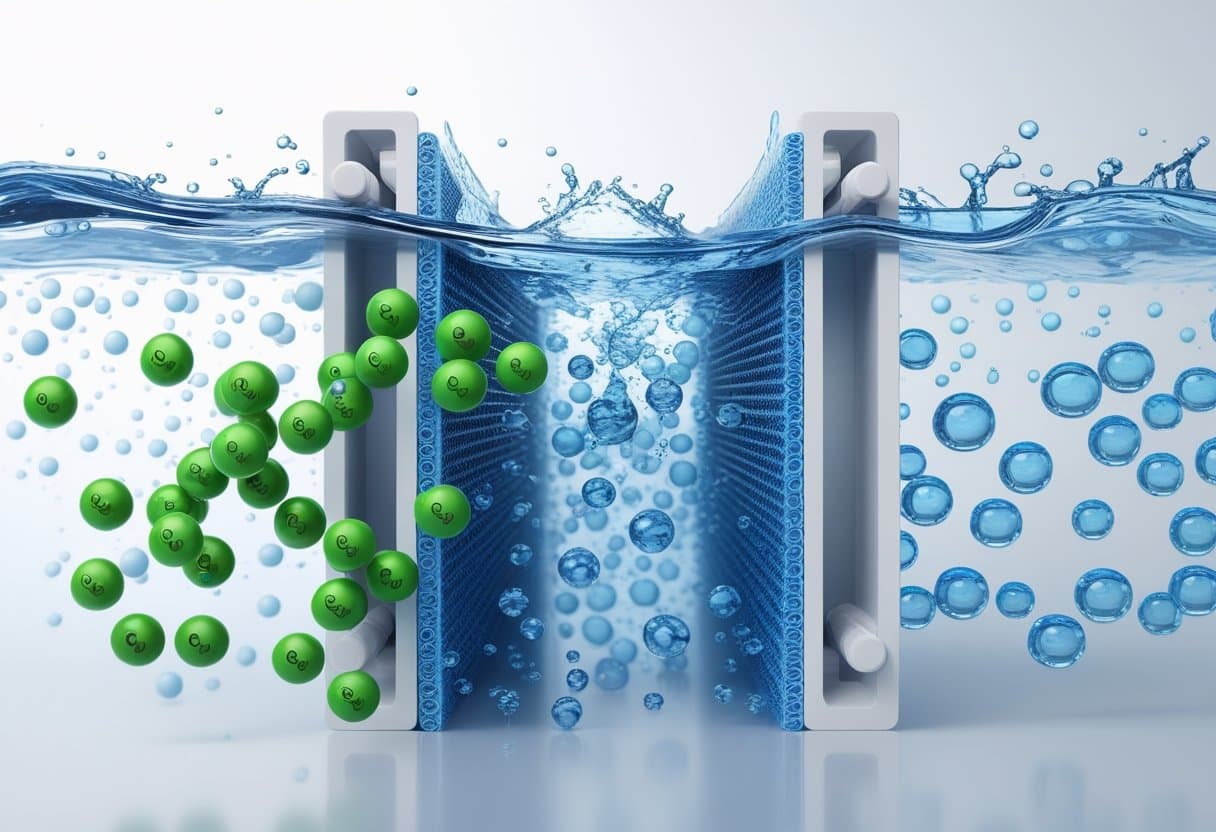
Most people worry about chlorine in their tap water because of its strong taste and smell.
Reverse osmosis systems effectively remove over 95% of chlorine from drinking water, but not through the main membrane itself.
Instead, carbon pre-filters handle chlorine removal before water reaches the delicate RO membrane.
We often get asked why RO systems need special filters for chlorine when they remove so many other contaminants.
The answer is simple: chlorine can actually damage the reverse osmosis membrane over time.
This is why RO systems include activated carbon filters as the first stage of filtration.
Understanding how your RO system handles chlorine helps you maintain better water quality and protect your investment.
We’ll show you exactly how this process works and why it matters for your family’s drinking water.
How Reverse Osmosis Removes Chlorine
Reverse osmosis systems remove chlorine through a two-step process that protects the delicate RO membrane while maintaining clean water.
The activated carbon filters handle chlorine removal upfront, while the semi-permeable membrane focuses on other contaminants.
Role of the Semi-Permeable Membrane
The semi-permeable membrane in reverse osmosis systems cannot directly remove chlorine from water.
In fact, chlorine can damage RO membranes over time if it reaches them.
The RO membrane has tiny pores that filter out dissolved solids, heavy metals, and microscopic contaminants.
These pores are designed for molecules much smaller than chlorine.
Chlorine poses a serious threat to membrane integrity.
When chlorine contacts the membrane material, it breaks down the polymer structure.
This damage reduces the membrane’s ability to filter contaminants effectively.
Most reverse osmosis systems protect their membranes by removing chlorine before water reaches this stage.
Without this protection, we would need to replace membranes much more frequently.
The membrane’s primary job focuses on removing contaminants that carbon filters cannot handle.
These include nitrates, fluoride, lead, and total dissolved solids.
Function of Activated Carbon Filters
Activated carbon filters serve as the first line of defense against chlorine in reverse osmosis systems.
These carbon pre-filters remove chlorine before it reaches the membrane.
Carbon filtration works through adsorption.
The activated carbon has millions of tiny pores that trap chlorine molecules as water flows through.
This process also improves taste and odor.
Different types of carbon filters handle different disinfectants:
- Standard activated carbon: Removes free chlorine effectively
- Catalytic carbon: Breaks down both chlorine and chloramine
- Carbon block filters: Provide longer contact time for better removal
Most RO systems include at least one carbon stage before the membrane.
Some advanced systems use multiple carbon filters for enhanced protection.
The carbon filter capacity determines how long it will effectively remove chlorine.
We typically need to replace these filters every 6-12 months depending on water usage and chlorine levels.
Stage-by-Stage Filtration Process
Reverse osmosis systems use multiple filtration stages to remove chlorine and other contaminants systematically.
The process relies on pre-filters and the RO membrane working together.
Stage 1: Sediment Pre-Filter
Removes large particles like dirt, rust, and sand that could damage later filters.
Stage 2: Carbon Pre-Filter
Activated carbon removes chlorine, taste, and odor compounds from the water.
Stage 3: RO Membrane
The semi-permeable membrane filters out dissolved solids and microscopic contaminants.
Stage 4: Post-Carbon Filter
A final carbon filter polishes the water and removes any remaining taste or odor issues.
Some systems include additional stages like remineralization or UV sterilization.
The key point remains that chlorine removal happens in the carbon pre-filter stages.
This staged approach maintains maximum protection for the expensive RO membrane.
Each filter handles specific contaminants it removes best, creating an efficient and effective system.
Effectiveness of Reverse Osmosis in Chlorine Removal
Reverse osmosis systems achieve chlorine removal rates exceeding 95% through specialized carbon pre-filtration stages.
Water temperature, chlorine concentration, and filter quality directly impact filtration performance, while RO systems outperform many basic filtration methods in comprehensive water purification.
Chlorine Removal Rates of RO Systems
Reverse osmosis systems can remove over 95% of chlorine from drinking water.
Some high-quality models achieve up to 99% chlorine elimination rates.
The removal happens through activated carbon pre-filters, not the RO membrane itself.
These carbon filters capture chlorine molecules before water reaches the sensitive membrane.
Performance varies by system quality:
- Basic RO systems: 90-95% chlorine removal
- Premium systems: 95-99% removal rates
- Commercial grade: Up to 99.5% effectiveness
We see consistent results when systems include properly sized carbon filtration stages.
The carbon filter effectiveness depends on having the correct type for chlorine removal.
Factors Affecting Chlorine Filtration
Water temperature significantly impacts chlorine removal efficiency.
Higher temperatures reduce carbon filter performance and decrease contact time between chlorine and filter media.
Chlorine concentration levels also affect results.
Municipal water with standard chlorine levels (0.2-4.0 ppm) filters easily.
Higher concentrations may overwhelm carbon filters faster.
Key factors include:
- Filter age: Older carbon filters lose effectiveness
- Water flow rate: Slower flow allows better chlorine absorption
- TDS levels: High dissolved solids can interfere with filtration
- pH levels: Extreme pH affects carbon performance
Chloramine requires different filtration approaches than standard chlorine.
Many water utilities now use chloramine, which needs catalytic carbon filters instead of regular activated carbon.
Comparison with Other Chlorine Removal Methods
Reverse osmosis systems provide more comprehensive water purification than single-purpose chlorine filters.
While pitcher filters and faucet attachments remove chlorine effectively, they don’t address other contaminants.
Chlorine removal comparison:
| Method | Chlorine Removal | Additional Benefits | Water Waste |
|---|---|---|---|
| RO Systems | 95-99% | Removes lead, fluoride, bacteria | 2-4 gallons per gallon |
| Carbon Filters | 85-95% | Improves taste and odor | Minimal |
| Pitcher Filters | 75-90% | Portable and affordable | None |
Simple carbon filters work well for chlorine-only concerns.
They cost less and waste no water during filtration.
RO systems justify their higher cost through superior drinking water quality.
They address multiple water quality issues simultaneously rather than targeting chlorine alone.
Importance of Removing Chlorine from Water
While chlorine effectively disinfects our drinking water, it can cause health concerns for sensitive individuals and significantly impact water quality through taste, odor, and harmful chemical byproducts.
Understanding these risks helps us make informed decisions about water treatment in our homes.
Health Risks of Chlorine Exposure
Prolonged chlorine exposure through drinking water can affect our health in several ways.
People with sensitivities may experience dry skin and irritation from showering in chlorinated water.
Eye discomfort is another common issue.
Many of us report stinging or redness when exposed to higher chlorine levels in our water supply.
Respiratory problems can develop in household members with asthma or allergies.
Chlorine vapor may trigger breathing difficulties or worsen existing conditions.
Children and vulnerable family members face greater risks.
Their developing systems are more sensitive to chemical exposure from contaminated water sources.
Key health concerns include:
- Skin and eye irritation
- Respiratory sensitivity
- Digestive discomfort
- Potential long-term organ effects
Impact on Water Taste and Odor
Chlorine dramatically affects our drinking water quality through unpleasant taste and smell.
That distinctive pool-like flavor makes water less refreshing and can discourage proper hydration.
Coffee and tea lovers notice significant improvements when chlorine is removed.
The chemical interferes with natural flavors and creates off-tastes in beverages we enjoy daily.
Cooking with chlorinated water can alter food flavors.
Soups, pasta water, and other dishes may carry subtle chemical tastes that affect meal quality.
| Taste Issues | Odor Problems |
|---|---|
| Pool-like flavor | Chemical smell |
| Metallic aftertaste | Bleach-like odor |
| Bitter notes | Sharp, medicinal scent |
Even though these taste and odor issues aren’t dangerous, they significantly reduce our enjoyment of drinking water and beverages.
Potential Issues with Chlorine Byproducts
When chlorine interacts with organic matter in water systems, it forms dangerous chemical compounds called trihalomethanes (THMs).
These byproducts have been linked to potential risks involving the liver, kidneys, and nervous system.
Disinfection byproducts accumulate over time in our bodies through daily water consumption.
Long-term exposure concerns many health experts studying water quality effects.
Chloramine presents additional challenges.
Many water treatment facilities now use this chlorine-ammonia compound because it lasts longer in distribution systems.
However, chloramine is harder to remove from our drinking water than standard chlorine.
It doesn’t evaporate when we leave water sitting out, making filtration more critical.
Common chlorine byproducts include:
- Trihalomethanes (THMs)
- Haloacetic acids (HAAs)
- Chlorite and bromate compounds
- Various organic chloramines
These chemical compounds can persist in our water supply long after the initial disinfection process, making effective filtration systems essential for protecting our families.
Protecting the RO Membrane from Chlorine Damage
Chlorine exposure can destroy reverse osmosis membranes in just weeks, while proper protection extends their life to 3-5 years.
We need specific monitoring and filtration methods to prevent costly membrane replacement and system downtime.
How Chlorine Affects Membrane Lifespan
Even small amounts of chlorine can cause irreparable damage to RO membranes.
The polyamide layer in our semi-permeable membrane breaks down when exposed to chlorine concentrations as low as 0.1 mg/l.
Chlorine destroys the membrane structure through oxidation.
This chemical reaction attacks the molecular bonds in the polyamide material.
Once damaged, the membrane loses its ability to block salts and contaminants.
We see several clear signs of chlorine damage:
- Increased salt passage – More contaminants get through
- Higher operating pressure – System works harder for same output
- Reduced water production – Overall efficiency drops
- Shortened membrane life – Replacement needed in months instead of years
Temperature and exposure time make chlorine damage worse.
Higher concentrations above 0.1 mg/l speed up the destruction process.
Detecting and Preventing Chlorine Damage
Regular chlorine testing prevents expensive membrane replacement. We should test feed water daily using DPD test kits or install online chlorine monitors for continuous tracking.
Our reverse osmosis systems need these protection methods:
| Protection Method | Effectiveness | Best For |
|---|---|---|
| Activated carbon filter | Removes 99%+ chlorine | Most systems |
| Sodium bisulfite injection | Chemical neutralization | High-volume applications |
| Combined approach | Maximum protection | Critical operations |
An activated carbon filter serves as the primary defense. Most reverse osmosis systems include carbon pre-filters specifically to remove chlorine before it reaches the membrane.
We must maintain our carbon filters properly. Replace them when chlorine breakthrough occurs or follow manufacturer schedules.
Damaged membranes require expensive replacement and cause system downtime.
Monitor these key parameters:
- Feed water chlorine levels (keep below 0.1 mg/l)
- Carbon filter performance
- Membrane salt rejection rates
- System pressure requirements
Other Contaminants Removed by Reverse Osmosis
Beyond chlorine removal, reverse osmosis systems eliminate heavy metals like lead and mercury, destroy harmful bacteria and viruses, and significantly reduce total dissolved solids.
These systems provide comprehensive water purification by removing up to 99% of impurities from drinking water.
Heavy Metals and Harmful Chemicals
Reverse osmosis effectively removes dangerous heavy metals that pose serious health risks.
Lead removal is particularly important since this metal can damage the nervous system and cause developmental problems in children.
Mercury, another toxic heavy metal, gets filtered out through the semi-permeable membrane.
RO systems can remove up to 98% of arsenic from well water sources.
Common heavy metals removed:
- Lead (up to 95% removal)
- Mercury
- Arsenic
- Chromium
- Copper
Pesticides and herbicides from agricultural runoff also get eliminated. Fluoride removal occurs naturally through the RO process, giving families control over their fluoride intake.
Nitrates from fertilizers and septic systems are particularly harmful to infants but get effectively reduced by reverse osmosis membranes.
Microbial Contaminants
RO systems provide excellent protection against harmful microorganisms.
The tiny pores in reverse osmosis membranes block most bacteria from passing through the filter.
Viruses, which are much smaller than bacteria, also get trapped by the membrane structure.
However, we recommend using pre-filtration or UV disinfection for complete microbial protection.
Microbial contaminants removed:
- E. coli bacteria
- Salmonella
- Hepatitis A virus
- Norovirus
- Cryptosporidium (protozoa)
- Giardia (protozoa)
Protozoa like Cryptosporidium and Giardia cause severe digestive illness. These larger parasites get blocked effectively by RO membranes.
Reduction of Total Dissolved Solids
Total dissolved solids (TDS) include all minerals, salts, and metals dissolved in water.
High TDS levels affect taste and can indicate contamination.
RO systems dramatically reduce TDS levels from hundreds or thousands of parts per million down to under 50 ppm.
This creates clean-tasting water without the mineral aftertaste.
TDS components removed:
- Calcium and magnesium (hardness minerals)
- Sodium chloride (salt)
- Sulfates
- Dissolved metals
- Organic compounds
The semi-permeable membrane blocks these dissolved particles while allowing pure water molecules to pass through.
Lower TDS means better-tasting water and reduced scaling in appliances.
We can measure TDS reduction using simple meters that show the dramatic difference between input and output water quality.
Maximizing Water Quality with a Reverse Osmosis System
Getting the best performance from your reverse osmosis system requires proper setup before installation and ongoing care after.
We can boost water quality by addressing hard water issues, testing regularly, and adding treatment methods that work alongside RO filtration.
Pre-Treatment Solutions
Hard water damages RO membranes and reduces system life.
A water softener removes calcium and magnesium that cause scale buildup on the membrane surface.
We recommend installing the water softener before the RO system.
This protects expensive membrane components from mineral damage.
Sediment filters catch dirt, rust, and particles before they reach carbon filters.
Standard 5-micron filters work well for most homes with city water.
Well water needs more pre-treatment steps.
We often add iron filters or UV sterilizers depending on what a water test reveals.
RO membranes cost $50-150 to replace but last 2-3 years longer with proper pre-filtration.
| Pre-Treatment Type | Purpose | Best For |
|---|---|---|
| Water Softener | Removes hardness minerals | Hard water (over 7 grains) |
| Sediment Filter | Catches particles | All installations |
| Iron Filter | Removes iron/manganese | Well water |
Water Testing and Maintenance
Test your water every 6 months to track system performance.
TDS meters measure total dissolved solids before and after filtration.
Good RO systems remove 95-99% of dissolved solids.
If removal drops below 90%, we need to replace filters or membranes.
Filter replacement schedule matters.
Carbon pre-filters need changing every 6-12 months depending on chlorine levels and water usage.
RO membranes last 2-3 years with proper care.
High chlorine or hardness shortens membrane life to 12-18 months.
We check water pressure monthly.
Low pressure under 40 PSI reduces filtration effectiveness and wastes more water.
Annual professional service includes sanitizing the system and checking all connections.
This prevents bacteria growth in storage tanks.
Supplemental Water Treatment Options
Remineralization filters add back healthy minerals that RO removes.
Calcium and magnesium improve taste and provide nutrition benefits.
UV sterilizers kill bacteria and viruses that might survive RO filtration.
We install these after the storage tank for extra protection.
Alkaline filters raise pH levels in RO water.
Some people prefer less acidic water for taste and potential health reasons.
Permeate pumps reduce water waste by up to 75%.
These pumps work without electricity and boost membrane efficiency significantly.
Quality water testing helps determine which supplements your reverse osmosis system needs most.
Post-filters polish water quality as a final step.
Carbon post-filters remove any remaining tastes or odors from the storage tank.
Frequently Asked Questions
Reverse osmosis systems handle chlorine through carbon pre-filters, but their effectiveness varies with different contaminants.
Some substances pass through RO membranes while others get completely blocked.
Can reverse osmosis systems effectively remove chlorine from water?
Yes, but reverse osmosis systems remove chlorine through carbon pre-filters, not the membrane itself.
The RO membrane cannot handle chlorine directly because it damages the material over time.
Most systems include activated carbon filters as the first stage.
These carbon filters capture chlorine molecules before water reaches the main membrane.
Without these pre-filters, chlorine would destroy the expensive RO membrane.
We recommend checking that your system includes proper carbon filtration stages.
Are fluoride compounds also filtered out during the reverse osmosis process?
RO membranes effectively remove fluoride compounds from drinking water.
The semi-permeable membrane blocks fluoride molecules because they are larger than water molecules.
Studies show RO systems remove 85-95% of fluoride from tap water.
This removal happens at the membrane stage, not during pre-filtration.
Some people choose RO systems specifically to reduce fluoride exposure.
The process works consistently regardless of your water’s fluoride levels.
Is chloramine eliminated from water alongside chlorine with reverse osmosis?
Chloramine requires special treatment because it’s harder to remove than regular chlorine.
Standard carbon filters struggle with chloramine compounds.
RO systems need catalytic carbon filters to break down chloramine effectively.
These specialized filters work differently than regular activated carbon.
Many cities use chloramine instead of chlorine for water treatment.
We suggest confirming which disinfectant your water utility uses before choosing an RO system.
How efficient is reverse osmosis in filtering out microplastics from drinking water?
RO membranes excel at removing microplastics because these particles are much larger than water molecules.
The pore size of RO membranes is typically 0.0001 microns.
Most microplastics measure between 1-1000 microns in size.
This makes them easy targets for RO filtration compared to dissolved chemicals.
Research shows RO systems remove over 99% of microplastic particles from drinking water.
The physical barrier method works reliably for these contaminants.
Does the reverse osmosis process safeguard against waterborne pathogens like E. coli?
RO membranes block bacteria like E. coli because these organisms are thousands of times larger than the membrane pores.
Bacteria typically measure 0.5-5 microns while RO pores are 0.0001 microns.
The system removes virtually all bacterial contamination through physical filtration.
No chemicals are needed to kill these pathogens.
We consider RO one of the most reliable methods for bacterial removal.
The membrane acts as an absolute barrier against these microorganisms.
What types of viruses and chemicals can reverse osmosis not filter out from water sources?
Some dissolved gases can pass through RO membranes, including hydrogen sulfide and carbon dioxide. These molecules are similar in size to water molecules.
Certain volatile organic compounds may partially pass through depending on their molecular structure.
Chlorine and other volatile chemicals need carbon filtration before reaching the membrane.
Most viruses get removed. Some very small viruses might occasionally pass through damaged or worn membranes.

Thomas Peterson
Owner WSA
About the Author
Latest Posts
Born and raised in Nanaimo on Vancouver Island. Thomas gained a deep appreciation for the importance of clean, reliable water. With over 15 years of experience working with water treatment systems, Thomas has become a trusted expert in helping local homeowners and businesses resolve the unique challenges of well water across the Island.
From hard water and iron buildup to low water pressure and sediment issues, Thomas takes a practical, no-nonsense approach to solving water problems. Whether it’s installing filtration systems or troubleshooting well pump issues, Thomas focuses on long-lasting solutions that help people get the clean, safe water they need.
As a proud local professional, Thomas is dedicated to serving his community with honesty, quality service, and expert advice tailored to the water conditions of Vancouver Island.
Areas of Expertise: Well Service, Well Pumps, Water Filtration Systems
- Clack Water Softener Alternatives: Top Systems for Hard Water Treatment in 2025 November 8, 2025
- Best Well Water Test Kit Options for Safe Home Water Testing in 2025 November 5, 2025
- Best Well Water TDS Meter for Accurate Home Testing in 2025 November 1, 2025
- Best Well Water Sediment Filter Systems for Clean Home Water in 2025 October 29, 2025
- Best Well Water Saltless Water Softener Systems for 2025 October 26, 2025
Facebook Twitter LinkedIn Instagram Reddit
Fact Checked & Editorial Guidelines
Our Fact Checking Process
We prioritize accuracy and integrity in our content. Here’s how we maintain high standards:
- Expert Review: All articles are reviewed by subject matter experts.
- Source Validation: Information is backed by credible, up-to-date sources.
- Transparency: We clearly cite references and disclose potential conflicts.
Your trust is important. Learn more about our fact checking process and editorial policy.
Reviewed by: Subject Matter Experts
Our Review Board
Our content is carefully reviewed by experienced professionals for accuracy and relevance.
- Qualified Experts: Each article is assessed by specialists with field-specific knowledge.
- Up-to-date Insights: We incorporate the latest research, trends, and standards.
- Commitment to Quality: Reviewers check clarity, correctness, and completeness.
Look for the expert-reviewed label to read content you can trust.