
How Do Venturi Pumps Work? Power of Fluid Dynamics
How do venturi pumps work? Venturi pumps are efficient devices that use the Venturi effect to create low pressure. These pumps work by forcing air or fluid

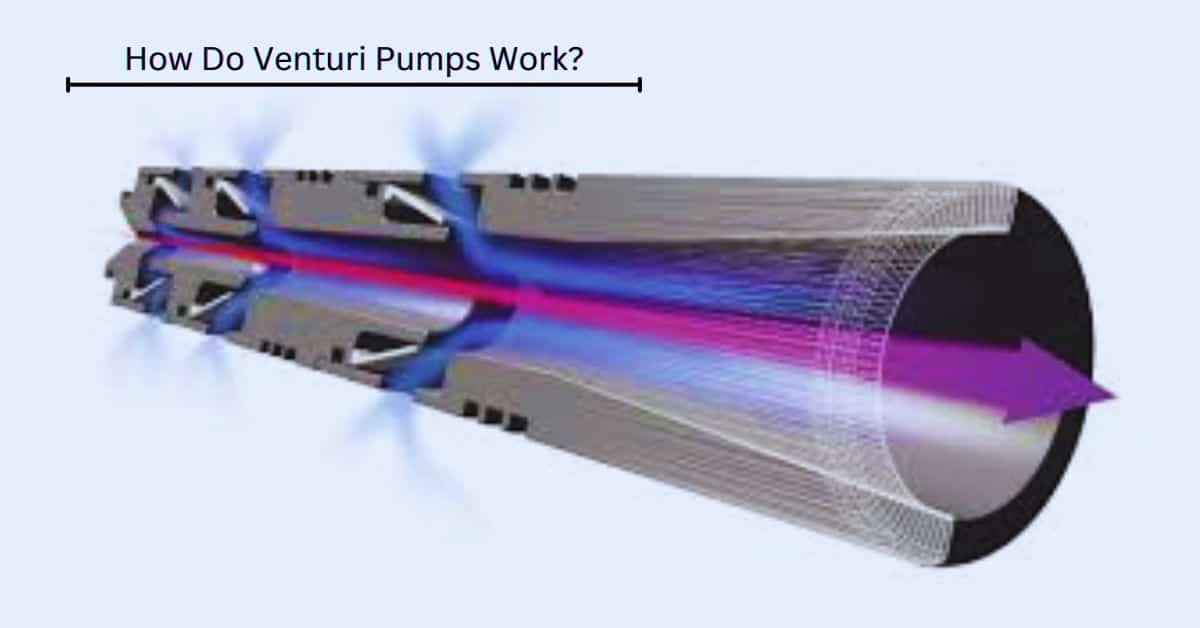
Venturi pumps are efficient devices that use the Venturi effect to create low pressure. These pumps work by forcing air or fluid through a constricted section of a tube. This increases the fluid’s velocity and, as a result, decreases its pressure. I find it fascinating how simple yet effective this technology is, making it a popular choice in various industries.
As I dive deeper into the mechanics of Venturi pumps, I’ll explain how their unique design and operational principles make them reliable tools for applications like liquid transfer, dust collection, and even in certain medical devices. Understanding how they work not only broadens your knowledge, but can help you make better decisions for selecting a pumping solution for your needs.
Join me as I explore the different components of Venturi pumps, the various applications they serve, and why they stand out compared to other vacuum systems. You might just find that this straightforward technology holds the key to solving some of your toughest pumping challenges.
Understanding the Venturi Effect
The Venturi effect is a fascinating phenomenon that plays an important role in how Venturi pumps function. It involves the relationship between fluid velocity and pressure, leading to practical applications in various fields.
The Principle Behind the Phenomenon
The Venturi effect occurs when a fluid flows through a pipe that narrows at one point. As the fluid enters the constricted area, its velocity increases. According to the principle discovered by Giovanni Battista Venturi, when the fluid speeds up, the static pressure drops.
This pressure change is essential for creating a vacuum, allowing the pump to draw in more fluid. The interplay of kinetic energy and static pressure is key here. High fluid velocity leads to low pressure, which is the heart of what makes the Venturi pump operate effectively.
Bernoulli’s Equation and Fluid Dynamics
Bernoulli’s Equation provides a mathematical insight into the Venturi effect. It states that the total energy in a flowing fluid remains constant. This means that as fluid velocity increases, the pressure must decrease to maintain the energy balance.
In practical terms, this equation explains how the energy shifts between kinetic energy and static pressure. For me, this is what showcases the beautiful balance in fluid dynamics. Understanding this relationship helps in designing effective systems, like Venturi pumps, that require controlled fluid flow. Bernoulli’s work allows us to predict how changes in the pipe shape can impact performance.
The Design and Components of Venturi Pumps
Venturi pumps are known for their efficient and straightforward design. These pumps rely on specific components to create a vacuum without the need for moving parts. Understanding their design can help us appreciate how they work.
The Venturi Tube
The heart of the venturi pump is the venturi tube. This tube has a unique shape that narrows at one point, allowing fluid to speed up as it passes through. When this happens, the pressure in that area drops, creating a vacuum.
In practical terms, this means that a venturi vacuum pump can generate strong suction without requiring mechanical parts. It’s a brilliant use of physics that simplifies the entire operation.
The shape of the tube is designed to optimise flow and suction. The tube’s diameter and length can vary based on specific applications, maintaining the pump performs well in different scenarios.
Construction Materials and Variants
The construction materials of venturi pumps play an important role in their operation and longevity. Common materials include stainless steel and Teflon, both known for their durability and resistance to corrosion.
Stainless steel is often used for its strength and ability to withstand high pressures. Teflon, on the other hand, is ideal for applications that require chemical resistance.
There are also various models of venturi pumps available, including compact designs for specific industrial needs. The choice of materials and designs makes sure that these pumps can handle diverse tasks effectively.
Operation of Venturi Pumps
Venturi pumps operate based on fluid dynamics to create a vacuum through specific design features. I’ll break down how they create a vacuum and maintain effective fluid flow.
Creating a Vacuum
To understand how a Venturi pump creates a vacuum, I focus on the concept of pressure difference. When a motive fluid, often air or water, flows through a narrow section of the pump, its velocity increases. This rapid movement causes a drop in pressure within that area.
This pressure drop creates a vacuum, drawing in surrounding fluids or gases. The design is simple yet effective, requiring no moving parts to maintain operation. It’s all about how the velocity and pressure work together to generate suction for your application.
Fluid Flow and Suction
Fluid flow drives the performance of Venturi pumps. As the motive fluid moves through the constricted part of the pump, it not only speeds up but also creates a low-pressure area. This is critical for suction devices, as it allows other fluids to be pulled into the system.
The combination of vacuum generation and efficient fluid flow means that these pumps can be used across various applications. From woodwork to automotive tasks, their adaptability is impressive. A well-designed Venturi pump makes sure that the suction created is consistent, allowing for smooth operation within any vacuum system.
Applications of Venturi Pumps
Venturi pumps have a wide range of applications in various fields. Their ability to create a vacuum without moving parts makes them efficient and reliable. Let’s dive into some specific uses in industrial settings, medical fields, and everyday life.
Industrial and Material Handling
In the industrial realm, I often see Venturi pumps used for material transfer and filtration processes. They efficiently handle bulk materials like powders and granules, allowing for smooth movement from one process to another.
For instance, during the suction phase, the pump generates a vacuum to pull in materials. This capability is important in industries such as food processing and pharmaceuticals, where hygiene and efficiency are top priorities.
Another significant application is in vacuum packaging. By removing air before sealing, products can last longer and maintain their quality. The power of Venturi technology allows for quick and effective packaging.
Medical and Safety Applications
Medical settings benefit from Venturi pumps as well. I know that these pumps play a vital role in suctioning fluids during surgeries. The reliability of a Venturi pump makes sure that medical professionals can focus on what matters most: patient care.
In addition to surgeries, they are used in suction devices for cleaning wounds or removing secretions from patients’ airways. Their ability to create a strong vacuum without motors makes them safe and easy to operate in critical situations.
Moreover, Venturi pumps are essential for maintaining safety in labs and industrial workplaces by controlling hazardous material spills. Their effectiveness at quickly drawing in unwanted substances reduces risks for workers.
Venturi Pumps in Everyday Life
You might be surprised to find that Venturi pumps also have a role in our daily lives. I’ve seen them in applications like aquariums, where they help circulate water efficiently, benefiting the aquatic environment.
Moreover, lawn and garden businesses utilize Venturi systems for the efficient mixing of fertilizers and pesticides. The precision that these pumps provide makes sure that our gardens receive just the right amount of treatment.
Even car washes use these pumps for various applications, streamlining the cleaning process and maintaining vehicles are done properly. It’s remarkable how this technology makes its way into both industry and home life, often unnoticed.
Comparing Venturi Pumps with Other Vacuum Solutions
When looking at how Venturi pumps stack up against mechanical pumps, I find that evaluating energy efficiency and maintenance requirements is essential. These factors can significantly affect operations and costs in various environments.
Energy Efficiency and Low Maintenance
Venturi pumps are known for their energy efficiency. They operate using compressed air or water, creating a vacuum without the need for moving parts. This simple design means there’s less wear and tear, resulting in lower maintenance needs.
With fewer components, Venturi pumps often lead to fewer breakdowns. I’ve seen many facilities save time and money due to reduced maintenance schedules. This reliability makes them an attractive option, especially in settings where consistent performance is important.
In terms of energy consumption, a well-designed Venturi pump can use less energy than mechanical pumps, particularly in light-duty applications. By opting for a Venturi system, I can maintain effective operation while keeping energy costs down.
Pros and Cons of Mechanical Pumps
Mechanical pumps, including rotary vane and diaphragm types, have their advantages and disadvantages. One key benefit is their ability to achieve a high vacuum level. For tasks requiring a stronger vacuum, these pumps often perform better than Venturi systems.
However, with their complex mechanics, mechanical pumps generally require more maintenance. They have moving parts, which can wear out over time, leading to higher upkeep costs. I find that operators have to regularly check and service these pumps, which can be a time drain.
In addition, energy efficiency isn’t always their strong suit. Some mechanical pumps can drain more power, impacting overall operating costs. So, while they can pull a strong vacuum, the trade-offs with maintenance and energy use are essential to consider.
Advanced Concepts and Enhancements
Venturi pumps can be improved in various ways. Understanding eductors and ejectors helps me see their practical applications. I also find that achieving higher vacuum levels is important in many industries. Let’s look at these concepts in more detail.
Eductors and Ejectors
Eductors use the Venturi principle to create suction. They rely on high-pressure fluid, like water or steam, flowing through a narrow passage. This flow creates lower pressure, pulling in other fluids or gases. I often use venturi eductors for mixing and transferring materials.
Ejectors work similarly but use gases, such as steam or air, to create a vacuum. They efficiently move low-pressure gases or vapours. A steam ejector can be invaluable in power plants and chemical processes. When I see the combination of these devices, I recognise their efficiency in various applications, especially in enhancing flow and mixing.
Achieving Higher Vacuum Levels
Achieving high vacuum levels is essential for processes like distillation and drying. It’s all about reducing the pressure inside a container. Venturi pumps can reach moderate vacuum levels. For higher levels, I often look into combinations with additional systems.
I consider mechanical pumps or diffusion pumps alongside venturi systems. These methods remove gas molecules effectively. When using these systems, it’s vital to understand the turbulence created, as it can affect efficiency. Keeping the flow smooth is paramount. Understanding these advanced concepts helps me make sure I get the most out of my vacuum systems.
Selecting and Maintaining Your Venturi Pump
When choosing and caring for your Venturi pump, understanding performance and maintenance is key. A reliable pump needs to fit your specific needs and operate efficiently. Regular upkeep makes sure that your pump lasts and performs at its best.
Evaluating Performance and Versatility
I always start by assessing the performance of the Venturi pump. Look for specifications like flow rate and vacuum level. Different tasks require different capabilities. For instance, if I’m using it in woodworking, I need a pump that creates strong suction without stalling.
Versatility is equally important. A compact Venturi pump can adapt to various tasks, making it a handy tool in my workshop. I often choose models that work well across multiple applications. This saves space and money while keeping my options open.
Always check for reliability by reviewing manufacturer data and customer feedback. A trusted supplier can guide you to the right choice for your specific needs.
Maintenance Tips for Longevity
To keep my Venturi pump working well, I focus on regular maintenance. First, I conduct routine inspections to catch any wear or damage early. Look for leaks, cracks, or loose connections. Addressing these issues promptly helps avoid costly repairs later.
Cleaning the system is another key step. I regularly clean the inlet and outlet ports to prevent debris buildup, which can hinder performance. Maintaining a clean environment around the pump is also important.
Lubrication is vital for moving parts. I check the manufacturer’s recommendations to make sure I use the right type. Just a bit of grease can go a long way in maintaining efficiency.
Novel Uses and Future Developments
Venturi pumps are becoming more advanced and are finding new applications across different industries. Their efficiency and innovative designs are shaping the future of material handling, evaporation, and more. Let’s explore some exciting developments and uses in this field.
Advancements in Pump Technology
I’ve seen some amazing advancements in Venturi pump technology. These pumps now operate with better precision and lower energy consumption. The integration of smart technology allows for real-time monitoring, which helps in optimising processes.
For instance, fluid dynamics has improved the design of these pumps, making them more effective at moving materials. These improvements lead to faster sampling and mixing processes, maintaining more reliable results in laboratory settings.
In manufacturing, innovations in Venturi pumps are enhancing material handling systems. Their ability to handle various materials efficiently and quickly is transforming how factories operate, reducing downtime and increasing productivity.
Cross-Industry Innovation
What I find truly fascinating is how Venturi pumps are crossing boundaries between industries. In agriculture, these pumps are being used for efficient irrigation systems, promoting better water management and crop yields.
In the food industry, they’re being employed for precise mixing and evaporation processes. This capability allows for the creation of high-quality products while maintaining consistency.
Moreover, Venturi pumps are now being adapted for environmental applications. They help in sampling air and water, providing essential data for pollution monitoring.
The versatility of these pumps is capturing the attention of various sectors, opening doors to new opportunities and enhancing overall efficiency.
Frequently Asked Questions
In this section, I will cover some common questions about venturi pumps. These topics will help clarify how these pumps work, their setup, advantages, and even how to make one from materials you might have at home.
What’s the basic principle behind a venturi pump’s operation, eh?
The venturi pump operates on the Venturi effect. This principle states that when fluid flows through a narrow section of a pipe, its velocity increases and pressure decreases. This drop in pressure helps create a vacuum that can draw in air or fluids from the surrounding area.
Can you break down how a venturi pump creates a vacuum, buddy?
The process begins when pressurized fluid moves through the pump. As it reaches the constricted area, it speeds up. This increase in speed leads to a reduction in pressure, creating a vacuum that pulls in other fluids or air. It’s a neat little trick of physics at work!
What’s involved in setting up and using a venturi pump around the shop?
Setting up a venturi pump is straightforward. You’ll need a pressurized fluid source, like compressed air or water. Connect the pump to this source, making sure all seals are tight. Once you turn on the fluid, the pump will create a vacuum that you can use for various tasks, like lifting debris or transferring fluids.
Could you sketch out or explain the design of a venturi water pump for us?
A venturi water pump consists of three main sections: the inlet, the throat, and the outlet. The inlet is where water enters, the throat is the narrow section where the pressure drops, and the outlet is where the water exits. This design makes it efficient since there are no moving parts, reducing maintenance needs.
What are some clear advantages of using a venturi pump, friend?
Venturi pumps have a few solid advantages. First, they are simple and durable because they contain no moving parts. Second, they don’t need electricity to function, making them versatile in various settings. Lastly, they are great for handling liquids and gases without risking contamination.
How to Make a Venturi Pump with Household Materials
You can make a basic venturi pump using plastic bottles and a straw. Cut the bottle, place the straw in the narrow part, and make sure it’s sealed. When you blow through the straw or pour water into the bottle, you can create a simple vacuum effect.

Thomas Peterson
Owner WSA
About the Author
Latest Posts
Born and raised in Nanaimo on Vancouver Island. Thomas gained a deep appreciation for the importance of clean, reliable water. With over 15 years of experience working with water treatment systems, Thomas has become a trusted expert in helping local homeowners and businesses resolve the unique challenges of well water across the Island.
From hard water and iron buildup to low water pressure and sediment issues, Thomas takes a practical, no-nonsense approach to solving water problems. Whether it’s installing filtration systems or troubleshooting well pump issues, Thomas focuses on long-lasting solutions that help people get the clean, safe water they need.
As a proud local professional, Thomas is dedicated to serving his community with honesty, quality service, and expert advice tailored to the water conditions of Vancouver Island.
Areas of Expertise: Well Service, Well Pumps, Water Filtration Systems
- Clack Water Softener Alternatives: Top Systems for Hard Water Treatment in 2025 November 8, 2025
- Best Well Water Test Kit Options for Safe Home Water Testing in 2025 November 5, 2025
- Best Well Water TDS Meter for Accurate Home Testing in 2025 November 1, 2025
- Best Well Water Sediment Filter Systems for Clean Home Water in 2025 October 29, 2025
- Best Well Water Saltless Water Softener Systems for 2025 October 26, 2025
Facebook Twitter LinkedIn Instagram Reddit
Fact Checked & Editorial Guidelines
Our Fact Checking Process
We prioritize accuracy and integrity in our content. Here’s how we maintain high standards:
- Expert Review: All articles are reviewed by subject matter experts.
- Source Validation: Information is backed by credible, up-to-date sources.
- Transparency: We clearly cite references and disclose potential conflicts.
Your trust is important. Learn more about our fact checking process and editorial policy.
Reviewed by: Subject Matter Experts
Our Review Board
Our content is carefully reviewed by experienced professionals for accuracy and relevance.
- Qualified Experts: Each article is assessed by specialists with field-specific knowledge.
- Up-to-date Insights: We incorporate the latest research, trends, and standards.
- Commitment to Quality: Reviewers check clarity, correctness, and completeness.
Look for the expert-reviewed label to read content you can trust.