
How Long Does a Battery Backup Sump Pump Last? (Explained)
How long does a battery backup sump pump last? On average, a battery backup sump pump can last between 3 to 7 years, depending on several factors such as usage

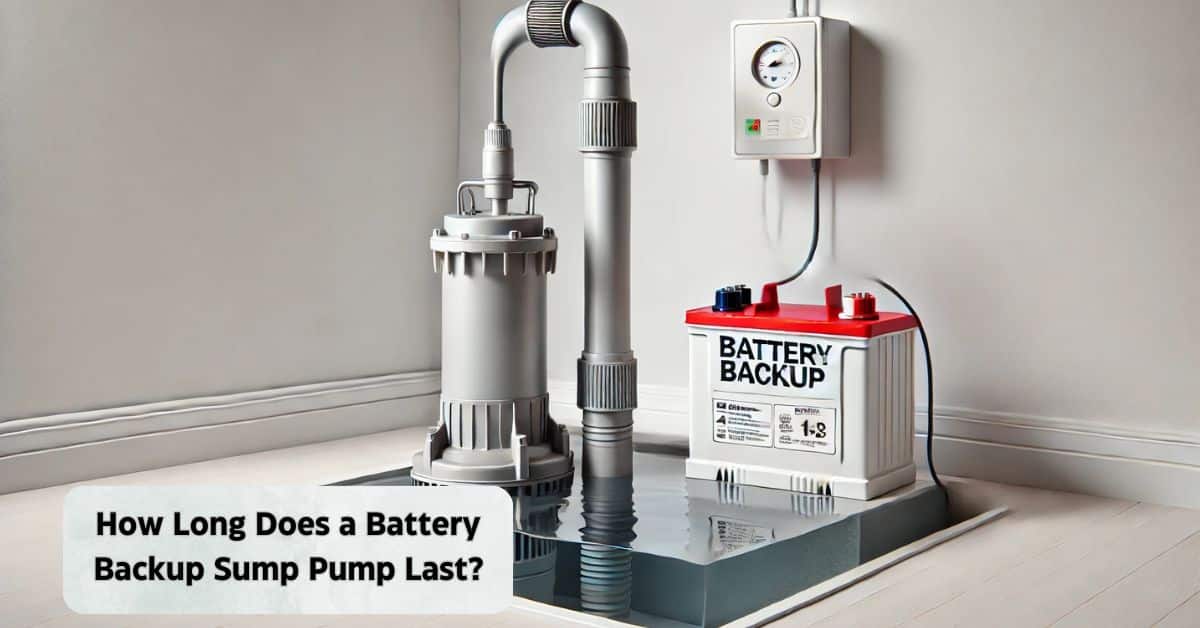
A battery backup sump pump is an important tool for homeowners, especially during power outages. After experiencing water problems in my own home, I understand the importance of keeping your basement dry. On average, a battery backup sump pump can last between 3 to 7 years, depending on several factors such as usage, maintenance, and battery quality.
As I’ve learned, understanding how to optimize your sump pump’s performance can significantly extend its life. From regular maintenance to knowing when to replace components, these steps can save you headaches. With the right knowledge, you can make sure your system remains ready when the rain pours.
Understanding Sump Pumps and Battery Backups
For protecting your home from basement flooding, sump pumps play an important role. I’ll explain the basics of sump pump systems and the importance of battery backup sump pumps in making sure your home stays dry.
Basics of a Sump Pump System
A sump pump system is designed to remove excess water from a sump pit, usually located in the basement. When water enters the pit, the pump activates to discharge the water away from your home. Most systems have a float switch that tells the pump when to turn on and off.
Sump pumps typically run on electricity. They are essential in areas prone to heavy rain or flooding. A well-maintained sump pump can make the difference between a dry basement and a flooded home. It’s important to regularly check the pump and make sure it’s functioning properly, especially before storm season starts. Keeping the sump pit clear of debris is equally vital for optimal performance.
Role of Battery Backup Sump Pumps
Battery backup sump pumps are lifesavers during power outages. When the main pump loses electricity, the backup kicks in, making sure that your basement stays protected. These batteries provide power for a few hours, but the exact duration varies.
Factors like battery capacity and how frequently the pump runs impact how long it lasts. On average, battery backup sump pumps can handle continuous operation for about 4 to 10 hours. This means during heavy storms, having that backup can save you from a flooded basement. Keeping an eye on the battery’s health is important, as older batteries may not last as long. Regular testing of both the main and backup systems helps make sure that you’re ready for anything nature throws your way.
Factors Affecting Battery Backup Performance
Battery backup performance is influenced by several essential factors. By understanding these aspects, you can make sure your sump pump operates efficiently when you need it most.
Importance of Maintenance Practices
Regular checks can help identify potential issues before they become major problems. For instance, I recommend examining the battery connections, making sure they are clean and secure.
It’s also important to test the battery’s charge regularly. A well-maintained battery can last longer and perform better. If I notice any signs of corrosion, I clean it up promptly. Replacing the battery according to the manufacturer’s recommendations is key too. Keeping up with maintenance makes sure you’ll have confidence when heavy rainfall hits.
Influence of Environmental Conditions
Environmental factors can greatly affect how well a battery backup performs. I pay close attention to humidity and extreme temperatures, as both can shorten battery life. For example, high humidity can lead to corrosion, while excessive heat can damage internal components.
In colder climates, batteries can lose their efficiency, so I take that into account for proper storage. It’s wise to install your sump pump in a controlled environment, if possible. If not, insulation may be necessary to keep the unit protected from extreme weather.
Battery Types and Their Lifespans
I often discuss three main types: lead-acid, lithium-ion, and gel batteries.
- Lead-acid batteries are cost-effective but generally have a shorter lifespan of 3-5 years.
- Lithium-ion batteries, while pricier, can last up to 10 years and offer better efficiency.
- Gel batteries offer a middle ground, lasting around 5-7 years with a lower risk of leakage.
When selecting a battery, consider your budget and how often you anticipate needing backup power. Each type requires specific care to maximise its lifespan and effectiveness.
Optimizing Battery Life
To get the most out of your battery backup sump pump, it’s important to focus on effective maintenance and understanding how your battery operates. By taking care of your battery and using it wisely, you can extend its lifespan for better home protection.
Regular Maintenance and Care
Regular maintenance is key to keeping your sump pump battery in top shape. I recommend checking the battery every few months. Look for any signs of corrosion or leaks, as these can seriously impact performance.
Make sure to clean the terminals and connections. Dust and grime can create resistance, which can reduce efficiency. Use a mixture of baking soda and water for cleaning, but be careful not to damage any components.
Additionally, keep an eye on the battery’s water levels if you have a maintenance-free battery. Too low water can shorten battery life. Regular checks can make a difference, helping you avoid unexpected problems during heavy rains.
Understanding Battery Capacity and Voltage
Battery capacity and voltage play a significant role in how long your backup system will run during a power outage. I always advise considering batteries with higher capacity. For instance, a battery with a capacity of 100 amp-hours can typically power a sump pump for much longer than one with only 50 amp-hours.
Stay mindful of the voltage too. Most sump pump batteries operate at 12 volts, which is necessary for optimal performance. If your battery is consistently below this voltage, it’s time to replace it. Understanding these specs can make sure that you buy the right battery to match your sump pump’s needs.
Charging System and Usage Patterns
The charging system you have impacts battery life. I find that a smart charger is often the best option. These chargers are designed to keep your battery correctly charged without overloading it, which can lead to premature failure.
Also, think about how often your sump pump runs. If you live in an area with frequent flooding, it will use more power, which may wear down the battery quicker. It’s also wise to avoid continuous cycling. Keeping usage steady rather than pushing the battery to its limits will help prolong its life.
Planning for Power Outages
When the power goes out, having a solid plan in place for your sump pump is important. Understanding how long your battery backup will last and making sure you’re prepared can make a big difference.
Calculating Backup Duration and Power Needs
To plan effectively, you need to know your sump pump’s power requirements. Most sump pumps use between 1/4 to 1/2 horsepower. When looking at battery backup, the amp-hours (Ah) of your battery is key. For example, a 100Ah battery can provide power for approximately 5 to 20 hours, depending on the pump’s amperage draw.
To keep it simple, basic math will help you estimate how long your battery can run the pump. Here’s a quick breakdown:
- Determine the pump’s amperage.
- Divide your battery’s amp-hours by the pump’s draw (in amps).
This gives you the estimated backup duration during power outages. Knowing this helps me decide on the right battery size to depend on.
Maintaining Readiness for Energy Outages
Once I understand my power needs, regular maintenance is vital. I check my system every few months to make sure everything is working well. This includes verifying the battery charge levels, inspecting connections, and testing the pump itself.
Investing in a battery backup that features an automatic charger can keep your battery topped up, ready to perform when needed. I always label all equipment and keep a maintenance log.
Having a plan in place means I won’t be caught off guard when the lights go out. Properly preparing today makes sure my sump pump will run reliably when I really need it.
Technical Aspects of Battery Backup Systems
For battery backup systems for sump pumps, understanding how they operate is important. I’ll cover the important aspects, such as power consumption and battery performance metrics, to help you make informed decisions.
Evaluating Pump Power Consumption
To assess how long a sump pump will run on battery backup, I start with the pump’s power consumption. Most sump pumps use between 400 to 800 watts. This wattage directly impacts the battery’s runtime during an outage.
I always check the manufacturer’s guidelines to get the specific wattage for my pump. The higher the power consumption, the shorter the battery life. It’s essential to consider how often the pump cycles during heavy rain. Frequent cycling demands more energy, which can drain the battery quickly.
Here’s a quick breakdown:
- Low Consumption Pump: 400 watts, roughly 20-30 hours on a typical battery.
- Medium Consumption Pump: 600 watts, approximately 10-15 hours of runtime.
- High Consumption Pump: 800 watts, around 6-10 hours on standard batteries.
Knowing these details helps me to choose the right setup for my needs.
Battery Performance Metrics
Battery performance is another key factor that affects how long my system will last during a power outage. Lead-acid batteries are common, but lithium-ion options are becoming popular due to their longer lifespan and better efficiency.
When choosing a battery, I look at the capacity measured in amp-hours (Ah). A higher Ah rating means the battery can run longer. For example, a 100Ah battery may run a 600-watt pump for about 5-8 hours.
Furthermore, energy consumption during peak use can vary based on the pump cycle. I keep an eye on how often my pump activates; more frequent pump cycles lead to quicker battery drain. It’s also vital to consider temperature effects, as batteries perform differently in extreme heat or cold.
So, understanding these metrics lets me pick a battery that meets my sump pump’s needs effectively.
Maintenance Procedures and Best Practices
Keeping a backup sump pump running correctly takes some effort. I always recommend regular maintenance and testing to catch issues before they become serious. Maintaining proper ventilation and optimal conditions also plays a big role in the pump’s performance and lifespan.
Periodic Testing and Reliability Checks
I can’t stress enough the importance of testing your sump pump and its backup battery regularly. Testing should be done at least once a month. To do this, simply lift the float switch manually or pour water into the sump pit. It should activate the pump immediately.
Make notes on the pump’s performance during these tests. If the pump runs for less than five minutes or struggles to pump out water, it may need repairs. I suggest keeping a log of these tests to track any changes over time. This diligence helps maintain reliability when you need it most.
Maintaining Proper Ventilation and Optimal Conditions
Proper ventilation can have a significant impact on the health of the battery and pump. If the area around your sump pump is too hot or humid, it can shorten the battery’s lifespan. Make sure the environment is well-ventilated and not exposed to extreme temperatures.
I also recommend checking the battery terminals for any corrosion and cleaning them when necessary. Keeping the battery in a dry, cool area can also boost its effectiveness. Following these practices will not only enhance performance but may add years to the average lifespan of your battery backup sump pump.
Additional Protection Strategies
To make sure your sump pump is ready for any weather, I believe in taking extra precautions. Two effective strategies are incorporating water-powered backup options and evaluating alternatives to traditional battery solutions. These methods can enhance the reliability of your sump pump system.
Incorporating Water-Powered Backup Options
One solid strategy is using a water-powered backup sump pump. This system runs off municipal water pressure, effectively eliminating the dependency on battery power.
Key Benefits:
- No Battery Dependency: You won’t have to worry about battery life or power outages.
- High Efficiency: These pumps typically have strong discharge rates and can remove water quickly.
The operational costs can be lower because water is usually cheaper than replacing batteries. This backup method makes sure that even during a flood, you have a reliable way to manage rising water levels without the risks that come from battery failures.
Evaluating Alternatives to Traditional Battery Solutions
Traditional battery backup systems can fail during long outages. Evaluating alternatives can help make sure your home stays safe from flooding.
Consider a sump pump backup battery with a higher amp-hour rating. This rating tells you how long your battery can run before needing a recharge.
Additionally, some modern systems offer smart features that monitor performance. If your sump pump power consumption is too high, these alerts can inform you before it becomes a problem.
Another option is dual systems that combine a battery and a water-powered pump. This redundancy offers confidence—if one fails, the other is ready to work.
Frequently Asked Questions
For battery backup sump pumps, many folks have questions about lifespan, replacement, and reliability. Let’s tackle some of the common queries that can help you keep your basement dry and your sump pump working well.
What’s the lifespan of a battery backup for a sump pump, eh?
A battery backup for a sump pump typically lasts around 4 to 12 hours, depending on the battery’s capacity and the pump’s power usage. With proper maintenance, some batteries can last up to five years, but that falls on you to make sure it’s looked after.
How often should the backup battery on my sump pump be replaced to avoid a soggy situation?
I recommend checking your backup battery at least once a year, and replacing it every 3 to 5 years. As time goes on, batteries lose their ability to hold a charge, so regular checks make sure you’re not caught in a downpour without backup.
Does installing a top-notch battery backup really make a difference in keeping my basement dry?
Absolutely. A quality battery backup system can handle more significant demands during power outages. Investing in a solid unit gives you confidence and keeps your basement safe from flooding even when the lights go out.
Can I trust a battery backup to keep my sump pump running during a power outage, and for how long?
You can trust a good battery backup to power your sump pump during an outage. Its duration, however, relies on the battery’s size and how much water needs pumping. Generally, expect it to last several hours, so plan for those heavy weather moments.
What are the signs that my sump pump battery might be heading to the great workshop in the sky?
Watch for frequent warning lights, a battery that won’t hold a charge, or a runt of a pump that struggles to keep up. If you notice these signs, it’s best to replace the battery sooner rather than later to avoid potential flooding.
What’s the cost of swapping out my sump pump battery, in terms of loonies and toonies?
Replacing a sump pump battery usually costs between $150 to $300, depending on the type you choose. It’s a small price to pay compared to potential water damage.

Thomas Peterson
Owner WSA
About the Author
Latest Posts
Born and raised in Nanaimo on Vancouver Island. Thomas gained a deep appreciation for the importance of clean, reliable water. With over 15 years of experience working with water treatment systems, Thomas has become a trusted expert in helping local homeowners and businesses resolve the unique challenges of well water across the Island.
From hard water and iron buildup to low water pressure and sediment issues, Thomas takes a practical, no-nonsense approach to solving water problems. Whether it’s installing filtration systems or troubleshooting well pump issues, Thomas focuses on long-lasting solutions that help people get the clean, safe water they need.
As a proud local professional, Thomas is dedicated to serving his community with honesty, quality service, and expert advice tailored to the water conditions of Vancouver Island.
Areas of Expertise: Well Service, Well Pumps, Water Filtration Systems
- Clack Water Softener Alternatives: Top Systems for Hard Water Treatment in 2025 November 8, 2025
- Best Well Water Test Kit Options for Safe Home Water Testing in 2025 November 5, 2025
- Best Well Water TDS Meter for Accurate Home Testing in 2025 November 1, 2025
- Best Well Water Sediment Filter Systems for Clean Home Water in 2025 October 29, 2025
- Best Well Water Saltless Water Softener Systems for 2025 October 26, 2025
Facebook Twitter LinkedIn Instagram Reddit
Fact Checked & Editorial Guidelines
Our Fact Checking Process
We prioritize accuracy and integrity in our content. Here’s how we maintain high standards:
- Expert Review: All articles are reviewed by subject matter experts.
- Source Validation: Information is backed by credible, up-to-date sources.
- Transparency: We clearly cite references and disclose potential conflicts.
Your trust is important. Learn more about our fact checking process and editorial policy.
Reviewed by: Subject Matter Experts
Our Review Board
Our content is carefully reviewed by experienced professionals for accuracy and relevance.
- Qualified Experts: Each article is assessed by specialists with field-specific knowledge.
- Up-to-date Insights: We incorporate the latest research, trends, and standards.
- Commitment to Quality: Reviewers check clarity, correctness, and completeness.
Look for the expert-reviewed label to read content you can trust.