
How Long Does a Well Pump Usually Last? (Best Guide)
How long does a well pump usually last? On average, well pumps can last anywhere from 8 to 15 years, depending on several factors like maintenance and usage.

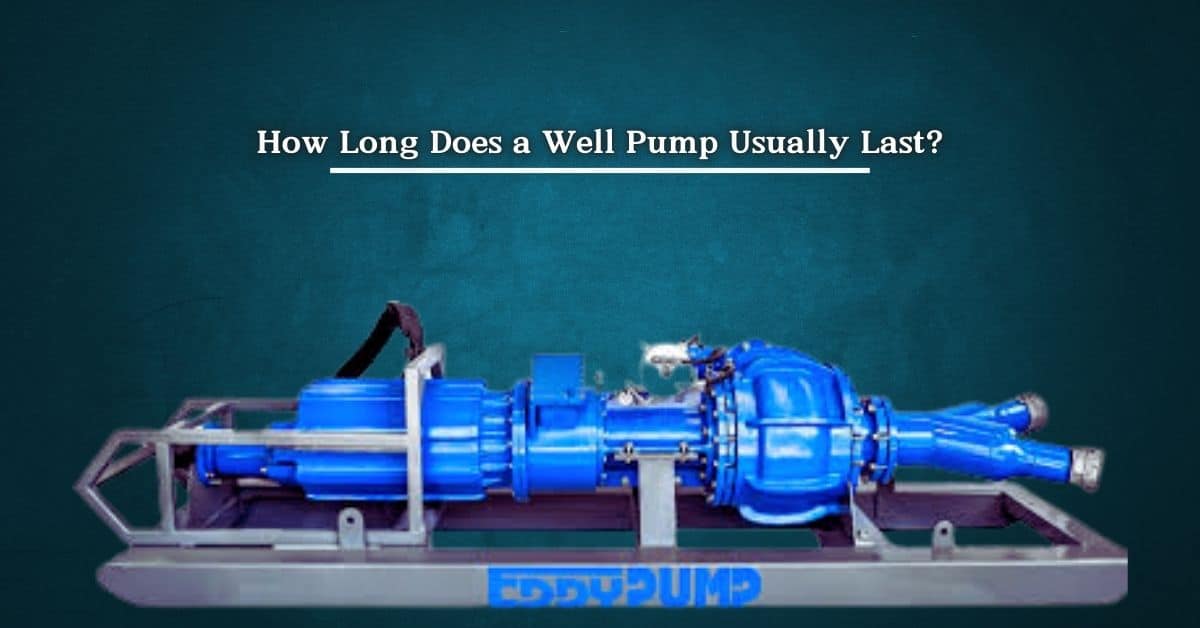
When considering how long a well pump usually lasts, it’s important to know a few key facts. On average, well pumps can last anywhere from 8 to 15 years, depending on several factors like maintenance and usage. This lifespan can be significantly affected by the quality of water and how often the pump runs. Understanding these factors can help you avoid unexpected failures that could leave you without water.
I’ve seen many homeowners overlook signs of wear or the need for maintenance, which can lead to bigger problems. Regular checks and timely maintenance can extend your well pump’s life significantly. It’s not just about replacing a pump when it’s worn out; it’s also about recognizing when it’s time to take action before it breaks down completely.
Well pumps last a set number of years, show signs when they need replacing, and last longer with the right maintenance. By the end, you’ll know how to keep your water flowing reliably for years to come.
Understanding the Basics
For well pumps, knowing the different types and their components is essential. Understanding these basics can help you maintain your system and maintain its longevity.
Types of Well Pumps
There are two main types of well pumps: jet pumps and submersible pumps.
Jet Pumps are usually installed above ground. They create a vacuum that pulls water up from the well. These pumps work best for shallow wells, typically less than 7.5 meters deep. They’re easier to access for repairs, but they can be less efficient for deeper applications.
Submersible Pumps sit directly in the well. These pumps push water to the surface rather than pulling it up. They are suitable for deeper wells. Submersible pumps are more energy-efficient and often quieter, but if they break down, they can be harder to remove for repairs. Each type has its pros and cons, depending on the depth and specifics of your water source.
Components of a Well Pump System
A well pump system includes several key components that work together.
First, there’s the pressure tank. This tank stores water and maintains pressure in the system. It makes sure that water is available when you turn on a tap, reducing the frequency at which the pump starts and stops, which can prolong its lifespan.
Next, we have the check valve. This valve prevents backflow, making sure that water stays in the system and doesn’t flow back into the well when the pump shuts off. This feature helps maintain consistent pressure and efficiency in your water supply.
Together, these elements play a critical role in the performance and longevity of your well pump system. Understanding them helps in making informed decisions about maintenance and upgrades.
Factors Affecting Well Pump Lifespan
Several elements play an important role in determining how long a well pump will last. It’s essential to consider the pump’s quality, the water it handles, how much work it does daily, and the power supply available. Understanding these factors can help you take action to prolong your pump’s life.
Quality of the Well Pump
The quality of the well pump itself is vital. A good-quality pump made from durable materials is likely to last longer than one that is cheaply made. Look for pumps with solid motors, as these are less prone to failure. A reputable brand may be more expensive, but investing in a reliable pump can save you money.
If I were to choose a pump, I would focus on one that meets the demands of my household. Always check for warranties or guarantees, as these often indicate confidence in the product’s durability.
Water Quality and Sediment
Water quality has a direct impact on the life of a well pump. High levels of sediment can wear out the pump prematurely. This sediment can clog the filters and damage the motor.
If the water has a lot of minerals or contaminants, it can corrode the pump over time. Regular testing of water quality is essential to keep track of any changes. If sediment is an issue, installing a filter system can make a big difference in protecting your pump.
System Demand and Duty Cycle
The duty cycle refers to how much work the pump does each day. If you use a lot of water or run the pump frequently, it is bound to wear down faster.
As I see it, a pump that operates optimally for several hours a day will typically last between eight to fifteen years. To extend its lifespan, I recommend monitoring the water usage closely and avoiding running the pump unnecessarily. It’s critical to make sure the pump is appropriately sized for your needs.
Electrical Supply and Pump Type
The electrical supply also greatly affects pump longevity. Fluctuations in voltage or frequent power surges can damage the motor. Using a pump with a good motor quality is key; it can handle electrical stress better than a lower-quality one.
Different pump types, like submersible versus non-submersible, have varying lifespans. Submersible pumps often last longer due to their protection from environmental factors. Choosing the right type based on your well’s characteristics will help maintain better performance and durability.
Recognizing the Signs of Wear
As a homeowner, it’s essential to pay attention to your well pump’s performance. There are clear signals that indicate your pump may need attention. By recognising these signs early, you can avoid more severe issues.
Identifying Low Water Pressure
Low water pressure can be one of the first signs that your well pump is struggling. If I notice a sudden drop in water pressure, it’s important to take it seriously. This could mean a few things, such as a clogged filter, a failing pump, or even issues deep within the well itself.
I recommend checking multiple taps to confirm if the low pressure is consistent throughout the house. If the pressure is only low in one area, the problem may be localised. A pressure gauge can help measure the water pressure accurately, allowing me to determine if it’s below the acceptable range. Regular monitoring helps me catch these issues before they escalate.
Detecting No Water or Intermittent Water Supply
Experiencing no water at all, or an intermittent supply, can be alarming. When this happens, I start by checking the pump’s power supply. If the pump doesn’t turn on, there might be an electrical issue or, worse, a pump failure. A well pump that often turns on and off could indicate a malfunction or an issue with the pressure switch.
Assessing the system carefully can help identify the problem. If I find that the pump is running but no water is coming out, it could suggest a blockage or a dropped water level in the well. Immediate action is necessary to prevent further damage or long-term water loss.
Monitoring for High Electric Bills
If my electric bills have spiked unexpectedly, it may be a red flag about my well pump’s condition. A well pump that is overworking due to wear and tear will consume more electricity. I keep an eye on my utility bills for any significant increases, especially if my water usage hasn’t changed.
Rolling changes in energy consumption can also indicate that the pump is struggling. For example, if the pump is frequently cycling on and off, it can drive up energy costs. Regular maintenance can help minimise waste and extend the lifespan of my well pump. Keeping records of energy use can pinpoint problems before they intensify.
Maintenance for Reliability
Keeping your well pump in good working order requires dedicated attention to maintenance. By staying on top of routine checks, dealing with common issues like corrosion, and addressing any plumbing or electrical concerns promptly, I maintain my well pump lives a long and reliable life.
Routine Inspection and Maintenance
I find that routine inspection is important for my well pump’s longevity. I check for leaks, worn-out parts, and unusual sounds every few months. Regular maintenance can involve testing the pump’s pressure switch, which is often the first component to show signs of wear.
I schedule annual inspections with a professional. They have the tools and expertise to identify potential problems before they escalate. Keeping a maintenance log helps me track what was done and when, making sure that nothing is overlooked. Simple steps like these can extend the life of the pump for many years.
Dealing with Corrosion and Build-Up
Corrosion can be a major problem for well pumps. I’ve seen how neglecting it can lead to costly repairs or even replacement. Regularly checking the pump casing and surrounding fittings helps me catch any rust early.
I also monitor for any mineral build-up, especially in hard water areas. Cleaning the pump and its components with appropriate solutions can prevent clogs and maintain efficiency. Establishing a cleaning routine as part of my maintenance plan has proven essential for avoiding more serious failures down the line.
Addressing Plumbing and Electrical Issues
Plumbing or electrical issues can quickly turn into major headaches if not addressed. I make it a point to routinely inspect all connections for any signs of leaks and corrosion. A small leak can escalate into a plumbing failure, causing damage to both the pump and my home.
Checking the electrical supply is just as important. I look for any frayed wires or loose connections, making sure everything is secure and functioning as intended. If I notice any irregularities, I call in a professional. Maintaining these systems keeps my well pump working well and reliably for years to come.
Enhancing Performance and Lifespan
Maintaining your well pump’s performance is important for its longevity. I want to share some practical tips to help you get the most out of your pump. By focusing on water pressure, protection devices, and professional assistance, you can significantly extend the life of your well pump.
Optimizing Water Pressure and Flow
I’ve seen how proper water pressure can make a big difference in pump performance. An ideal pressure is usually between 40 to 60 psi. To maintain this, regularly check the pressure switch. If it’s not working correctly, you might have inconsistent water flow, which can strain the pump.
Using a float switch can also help regulate water levels in your well. If water levels drop too low, the pump might run dry and fail early. To prevent this, consider installing a sediment filter. It keeps out debris that could damage the pump, maintaining a cleaner, more efficient operation. Regular maintenance can help you keep everything in check, making sure that flows stay steady and reliable.
Installing Protective Devices
Protective devices are essential for safeguarding your well pump. Installing surge protectors can shield your pump from electrical spikes, which tend to occur during storms or power outages. A pressure relief valve can also help by releasing excess pressure that may build up unexpectedly.
Another layer of protection involves a sediment filter. This unit can prevent dirt from entering the pump, which can lead to repairs or replacements. Remember, keeping contaminants at bay is key to extending the life of your pump. Each of these devices contributes to a healthier pump, making sure it remains efficient and effective over the years.
Leveraging Professional Installation and Repair
For well pump installation or repairs, I believe in the value of professional help. A knowledgeable technician can maintain proper setup and configuration of your pump, optimising its performance from the start. They can also conduct routine checks to spot issues early.
If you notice any changes in water pressure or flow, don’t hesitate to call in an expert. They can assess and repair any faulty components, such as a malfunctioning pressure switch or float switch. Using a trained professional maximizes your investment and gives you confidence, knowing that everything’s operating as it should.
When to Replace Your Well Pump
Knowing when to replace your well pump can save you money and make sure you have reliable water access. It’s about understanding its life expectancy, evaluating repair costs versus replacement, and picking the right moment for an upgrade.
Assessing Life Expectancy Vs. Current Age
Most well pumps last between 8 to 15 years. If your pump is nearing the end of this range, it’s time to assess its current condition.
Look for signs of wear and tear. Frequent cycling or short cycling can indicate a problem. This happens when the pump turns on and off more often than it should, leading to premature wear.
If your pump is over 10 years old and showing these signs, it may be wise to consider a replacement. I’ve seen pumps that were well-maintained last longer, but those are exceptions rather than the rule.
Calculating Cost-Benefit of Repairs Vs. Replacement
When your well pump has issues, it could be tempting to choose repairs. I always suggest calculating the costs of repair versus the cost of a new pump.
If repairs are more than 50% of the replacement cost, think about going for a new pump. Remember, older pumps are more likely to encounter further issues.
Also, consider the energy costs. An older pump may not work as efficiently, leading to higher electricity bills. A new, energy-efficient model could save you money.
Choosing the Right Time for an Upgrade
Timing is important. For instance, upgrading your pump before winter is a smart move. Cold weather can cause older pumps to struggle.
If you’re experiencing continuous issues, like frequent cycling, it might be time to move forward with an upgrade. You don’t want to be left without water.
Finally, if you’re planning on drilling a new well, think about upgrading to a new pump. It’s an investment in reliability and efficiency, making for a smoother operation in the long term.
Frequently Asked Questions
I often get questions about well pumps and their lifespan. It’s important to understand the signs that indicate you might need a new pump, the costs involved, and how to manage the replacement process. Here are some common questions that I encounter.
What are the telltale signs that you need a new well pump, eh?
If your water flow is weak or inconsistent, that’s a big red flag. Strange sounds coming from the pump or frequent cycling can also indicate a problem. If your water quality is dropping or you notice your utility bills are rising unexpectedly, it might be time to consider a replacement.
Around how much are you gonna have to shell out for a new well pump?
The cost of a new well pump can vary widely. On average, you should expect to pay anywhere from $800 to $2,500, including installation. Factors like pump type, depth of the well, and local labour costs all play a part in the final price.
What’s the average life expectancy of a well pump?
Most well pumps last between 8 to 15 years. With proper maintenance and good water quality, some pumps may even last up to 20 years. Keeping an eye on the pump’s performance can help you gauge when it needs replacing.
How often should you be replacing your well pump to avoid issues?
There’s no one-size-fits-all answer here. Regular check-ups every couple of years are a good idea, especially if your pump is nearing the end of its expected life. Keeping an eye on warning signs can help you avoid premature replacements.
On average, how long does it actually take to replace a well pump?
Replacing a well pump usually takes about 2 to 4 hours, depending on the complexity of the installation. If the pump is deeper or there are complications, it might take longer. Planning for a day off or some extra time can save you any last-minute stress.
How can you tell when it’s time to replace your well pump?
Watch for changes in water pressure or quality. If your pump starts making odd noises or running more often than usual, it’s a sign something’s off. Regular checks and maintenance can keep you ahead of major issues, so stay observant!

Thomas Peterson
Owner WSA
About the Author
Latest Posts
Born and raised in Nanaimo on Vancouver Island. Thomas gained a deep appreciation for the importance of clean, reliable water. With over 15 years of experience working with water treatment systems, Thomas has become a trusted expert in helping local homeowners and businesses resolve the unique challenges of well water across the Island.
From hard water and iron buildup to low water pressure and sediment issues, Thomas takes a practical, no-nonsense approach to solving water problems. Whether it’s installing filtration systems or troubleshooting well pump issues, Thomas focuses on long-lasting solutions that help people get the clean, safe water they need.
As a proud local professional, Thomas is dedicated to serving his community with honesty, quality service, and expert advice tailored to the water conditions of Vancouver Island.
Areas of Expertise: Well Service, Well Pumps, Water Filtration Systems
- Clack Water Softener Alternatives: Top Systems for Hard Water Treatment in 2025 November 8, 2025
- Best Well Water Test Kit Options for Safe Home Water Testing in 2025 November 5, 2025
- Best Well Water TDS Meter for Accurate Home Testing in 2025 November 1, 2025
- Best Well Water Sediment Filter Systems for Clean Home Water in 2025 October 29, 2025
- Best Well Water Saltless Water Softener Systems for 2025 October 26, 2025
Facebook Twitter LinkedIn Instagram Reddit
Fact Checked & Editorial Guidelines
Our Fact Checking Process
We prioritize accuracy and integrity in our content. Here’s how we maintain high standards:
- Expert Review: All articles are reviewed by subject matter experts.
- Source Validation: Information is backed by credible, up-to-date sources.
- Transparency: We clearly cite references and disclose potential conflicts.
Your trust is important. Learn more about our fact checking process and editorial policy.
Reviewed by: Subject Matter Experts
Our Review Board
Our content is carefully reviewed by experienced professionals for accuracy and relevance.
- Qualified Experts: Each article is assessed by specialists with field-specific knowledge.
- Up-to-date Insights: We incorporate the latest research, trends, and standards.
- Commitment to Quality: Reviewers check clarity, correctness, and completeness.
Look for the expert-reviewed label to read content you can trust.