
How Long Will a Submersible Pump Last? Lifespan & Factors
How long will a submersible pump last? Submersible pumps play a crucial role in many homes, especially for those relying on well water.

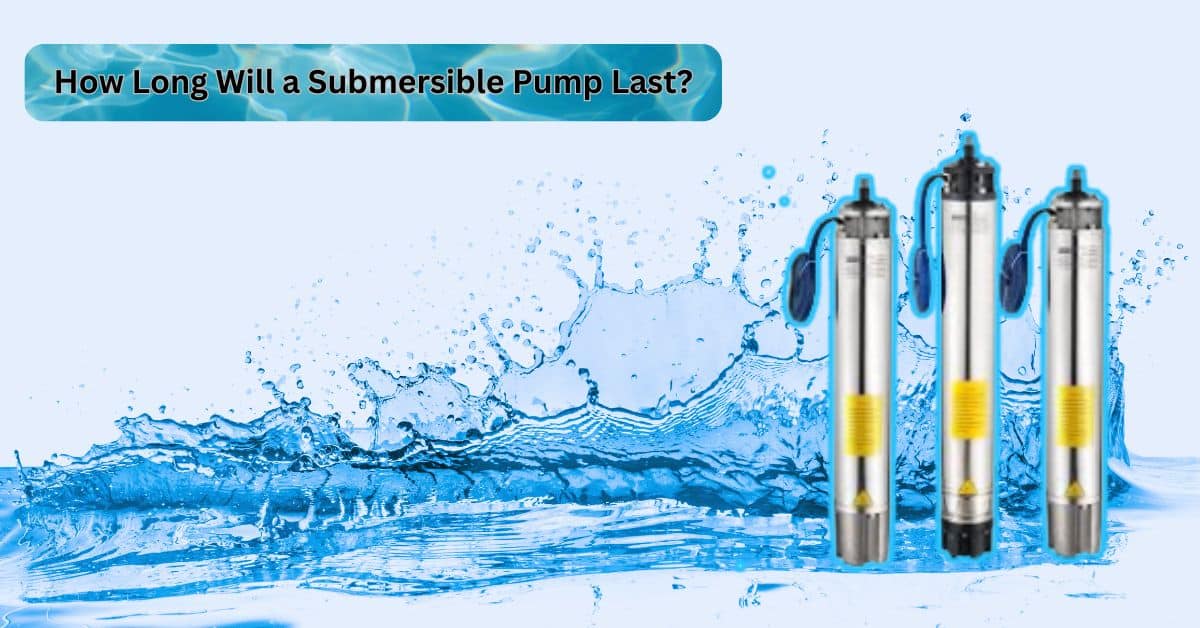
Submersible pumps play an important role in many homes, especially for those relying on well water. With proper care, a submersible pump can last anywhere from 8 to 15 years. Knowing the lifespan of your pump helps in planning maintenance and preparing for possible replacements down the line.
How long a submersible pump lasts depends on maintenance practices and installation. It’s important to understand what can influence the durability of these pumps so that you can get the most out of your investment.
Whether you’re a seasoned DIYer or just starting, I’ll share practical advice to help keep your pump running effectively. Let’s get started on making sure your water system remains dependable for years to come.
Understanding Submersible Pumps
Submersible pumps are essential for many water-related applications. They work by being submerged in the fluid they pump, which helps in efficient operation. Key factors that impact their performance include motor quality, design, and materials used in construction.
Components and Design
Every submersible pump has a few critical components. At its core is the motor, which is responsible for driving the pump. The quality of the motor greatly influences the pump’s lifespan and efficiency. I’ve seen pumps with high-quality motors last much longer than those that cut corners.
The impeller is another key part. It moves water and needs to be well-designed to handle various conditions. Good construction quality makes sure that the pump can withstand wear from materials like sand or other abrasives.
Materials also play a significant role. Stainless steel or reinforced thermoplastic is often used for durability. A well-designed pump minimizes the risk of failure, maintaining reliable operation during its lifetime.
Types of Submersible Pumps
Submersible pumps come in various types, each suited for different applications. The most common ones are well pumps and jet pumps.
Well pumps are designed to lift water from deep underground. They are generally more efficient than jet pumps when used in deep wells. Meanwhile, jet pumps are typically used in shallower applications, making them a good fit for residential use.
Smart tanks are an emerging option that work alongside submersible pumps for better efficiency. They have built-in monitoring systems that provide real-time data on water levels and pump performance, enhancing overall effectiveness.
Average Lifespan and Factors Affecting It
For submersible pumps, knowing how long they typically last can save you time and money. Several important factors play a role in determining this lifespan, so it’s essential to consider them carefully.
Typical Lifespan Expectations
Submersible well pumps generally last between 8 to 15 years. The average life expectancy varies due to different models and uses. For instance, a residential 3-wire pump might last around 10 to 15 years, while a 2-wire pump typically lasts about 8 to 13 years.
Many professionals note that proper maintenance is important. Regular checks can help identify issues early. Keeping an eye on the pump’s performance is vital if you want to maximize its lifespan.
Influencing Factors
Several elements influence how long a submersible pump will function effectively:
- Maintenance: Regular servicing can reduce wear and tear. Ignoring maintenance can lead to serious issues down the line.
- Water Quality: Pump life can decrease in aggressive or contaminated water. Good quality water typically supports longer pump life.
- Operating Conditions: Pumps exposed to high temperatures or fluctuating power can overheat and fail sooner.
- Duty Cycle: How often the pump runs significantly impacts its lifespan. Pumps that operate continuously will wear out faster.
Key Maintenance Practices
Maintaining a submersible pump is essential for its longevity and optimal performance. Two critical aspects involve regular inspections and specific preventive maintenance steps. I find that a proactive approach saves time and costs.
Regular Inspection and Cleaning
I make it a point to conduct regular inspections of my submersible pump. This includes checking for any signs of wear, cracks, or damage on the casing. I also look at the power supply and make sure that connections are secure.
Cleaning is just as important. I remove debris and sediment that can clog the pump and affect its performance. Water sediment can build up over time, so I recommend installing a sediment filter to help reduce this issue. I also keep the inlet clear, allowing for better water flow.
Remember to inspect the check valves during each inspection. They are important for preventing backflow and maintaining efficient operation. A simple cleaning routine can go a long way in improving the pump’s lifespan.
Preventive Maintenance Steps
Preventive maintenance is key to enhancing the life of a submersible pump. I always follow a lubrication schedule, especially for moving parts. Proper lubrication reduces friction and wear, making the pump run more smoothly.
I also keep an eye on the impeller and make sure it is clear of blockages. If you notice any unusual noises or vibrations, I suggest shutting off the pump immediately to prevent further damage.
Using clean water for pumping is vital. Contaminated water can lead to clogging and wear down the pump. If you’re pumping from a source with lots of debris, I recommend frequent cleanouts and checks to keep the pump in top shape.
Installation and Operational Guidance
To maintain your submersible pump performs well and lasts as long as possible, focusing on proper installation techniques and optimizing operation is vital. I’ll share key details and insights that can help you achieve reliable performance.
Proper Installation Techniques
First, I can’t stress enough how important proper installation is for your pump’s lifespan. Use the right size and type of pump for your specific needs. Check your manufacturer’s guidelines to pick the right unit.
The pump should be installed vertically, with the lower intake positioned above the bottom of the well to avoid sediment.
A good-quality check valve is essential to prevent backflow when the pump shuts off. This can help maintain optimal performance and reduce wear on the pump.
Lastly, make sure all connections are secure and waterproof. Loose or damaged connections can cause pump failure or electrical issues later on.
Optimizing Pump Operation
For operating conditions, understanding how they affect your pump can make a huge difference. First, monitor the flow rate to make sure it meets the system’s requirements without overworking the pump. Too high of a flow rate can lead to unnecessary wear.
The discharge head should be appropriate for your setup. If it’s too high, the pump can struggle, leading to reduced efficiency or even breakdowns.
I recommend keeping the pump clean and checking for any debris that could clog the intake. Regular maintenance checks can help you spot issues early, allowing for timely repairs.
Troubleshooting Common Issues
When dealing with submersible pumps, it’s important to quickly identify any problems. In this section, I’ll cover how to recognize signs of pump failure and address any electrical concerns you might encounter.
Identifying Pump Failure Signs
I’ve seen submersible pumps fail for various reasons, and catching the signs early can save you headaches. Look out for leaks, which often indicate corrosion or damaged seals.
If you notice low water pressure, that could mean your pump is struggling. Strange noises, like grinding or rattling sounds, usually suggest mechanical wear. Clogging is another common issue that can significantly impact performance, so always inspect the intake screen.
Remember, if your pump runs continuously without providing water, it may indicate a severe failure. Pay attention to these signals to troubleshoot effectively before the situation worsens.
Addressing Electrical Concerns
Electrical problems are a top cause of submersible pump failure. Poor power quality can lead to overheating and ultimately damage the motor. If your pump isn’t running, check the circuit breaker first.
I often find that the pressure switch may also be faulty. If it doesn’t signal correctly, the pump may not turn on or off as it should. Inspect wiring for signs of damage, such as fraying or corrosion. These issues can create serious risks.
Always make sure your electrical connections are secure. Loose connections can lead to intermittent performance. By addressing these issues promptly, you can keep your pump working well for years.
Economic Considerations
For owning a submersible pump, economic factors play a big role. I’ll dig into how it affects electric bills and consider the costs for repairs and replacements. These details matter because they can impact your wallet over time.
Impact on Electric Bills
The electric bill can rise significantly with a submersible pump, especially if it’s working frequently. The duty cycle of your pump determines how often it runs. If your pump has a high duty cycle, it will cycle on and off more often, which can lead to increased energy consumption.
Generally, a pump running reliably will use between 500 to 2,500 watts. Multiply that by how many hours it runs each month, and you can see how costs stack up. For example, if your pump runs 6 hours daily, that can easily add up to $40 to $100 per month, depending on your local utility rates.
By monitoring your pump’s efficiency and making sure it runs only when needed, you can keep those electric bills in check. Regular well pump maintenance helps maintain smooth operation and can ultimately save on energy costs.
Cost of Repairs and Replacement
The cost of repairing or replacing a submersible pump can vary widely. On average, repairs can range from $100 to $500, depending on the issue. Common repairs may include fixing electrical problems or replacing worn-out parts.
However, if your pump needs replacement, the costs can be much higher. A new submersible pump can cost anywhere from $800 to $2,500 or more, depending on its size and features. Factors like pump life expectancy, usually around 8 to 15 years, also impact when you’ll need to replace it.
Frequent cycling can lead not only to higher electric bills but also to quicker wear and tear. Investing in quality pumps and having them installed properly saves money. Regular inspections can help identify problems early, ultimately extending the life of your investment.
Frequently Asked Questions
I get a lot of questions about submersible pumps, so let’s tackle the most common ones. From understanding their lifespan to what signs indicate a need for replacement, I’ll help you get a clearer picture.
What’s the average service life of a submersible well pump?
The average service life of a submersible well pump ranges from 8 to 15 years. If you care for it properly, you might even see it last longer. A well-maintained pump is a reliable asset for your water needs.
How can you tell it’s time to replace your submersible pump?
You should replace your pump if it’s making unusual noises or has started to struggle with water pressure. Also, if you notice frequent failures or a drop in water quality, those are strong indicators it’s time to consider a new one.
What factors affect the longevity of a submersible well pump?
Several factors influence how long a submersible pump will last. These include the quality of the pump, the type of water it pumps, and how it is maintained. Proper installation also plays a big role in its overall lifespan.
Could a well pump really keep on pumpin’ for more than three decades?
It’s rare for a submersible pump to last more than 30 years. While some high-quality models might endure beyond that, most will typically need replacement within a 15 to 20-year frame with good maintenance.
What are the common signs that a well pump is on its last legs?
Look out for signs like inconsistent water pressure, strange sounds, or discoloured water. If the pump runs constantly or cycles on and off frequently, that’s also a red flag indicating it might be nearing the end of its life.
How much will it cost to replace a submersible pump?
The cost to replace a submersible pump can vary significantly. You might be looking at anywhere from $1,000 to $3,000, depending on the pump’s quality and installation costs. It’s wise to get quotes from several professionals to find the best value.

Thomas Peterson
Owner WSA
About the Author
Latest Posts
Born and raised in Nanaimo on Vancouver Island. Thomas gained a deep appreciation for the importance of clean, reliable water. With over 15 years of experience working with water treatment systems, Thomas has become a trusted expert in helping local homeowners and businesses resolve the unique challenges of well water across the Island.
From hard water and iron buildup to low water pressure and sediment issues, Thomas takes a practical, no-nonsense approach to solving water problems. Whether it’s installing filtration systems or troubleshooting well pump issues, Thomas focuses on long-lasting solutions that help people get the clean, safe water they need.
As a proud local professional, Thomas is dedicated to serving his community with honesty, quality service, and expert advice tailored to the water conditions of Vancouver Island.
Areas of Expertise: Well Service, Well Pumps, Water Filtration Systems
- Clack Water Softener Alternatives: Top Systems for Hard Water Treatment in 2025 November 8, 2025
- Best Well Water Test Kit Options for Safe Home Water Testing in 2025 November 5, 2025
- Best Well Water TDS Meter for Accurate Home Testing in 2025 November 1, 2025
- Best Well Water Sediment Filter Systems for Clean Home Water in 2025 October 29, 2025
- Best Well Water Saltless Water Softener Systems for 2025 October 26, 2025
Facebook Twitter LinkedIn Instagram Reddit
Fact Checked & Editorial Guidelines
Our Fact Checking Process
We prioritize accuracy and integrity in our content. Here’s how we maintain high standards:
- Expert Review: All articles are reviewed by subject matter experts.
- Source Validation: Information is backed by credible, up-to-date sources.
- Transparency: We clearly cite references and disclose potential conflicts.
Your trust is important. Learn more about our fact checking process and editorial policy.
Reviewed by: Subject Matter Experts
Our Review Board
Our content is carefully reviewed by experienced professionals for accuracy and relevance.
- Qualified Experts: Each article is assessed by specialists with field-specific knowledge.
- Up-to-date Insights: We incorporate the latest research, trends, and standards.
- Commitment to Quality: Reviewers check clarity, correctness, and completeness.
Look for the expert-reviewed label to read content you can trust.