
How Many PSI Should an Expansion Tank Have for Optimal Performance?
How many PSI should an expansion tank have for optimal performance? When maintaining your plumbing system, know pressure for your expansion tank is essential.

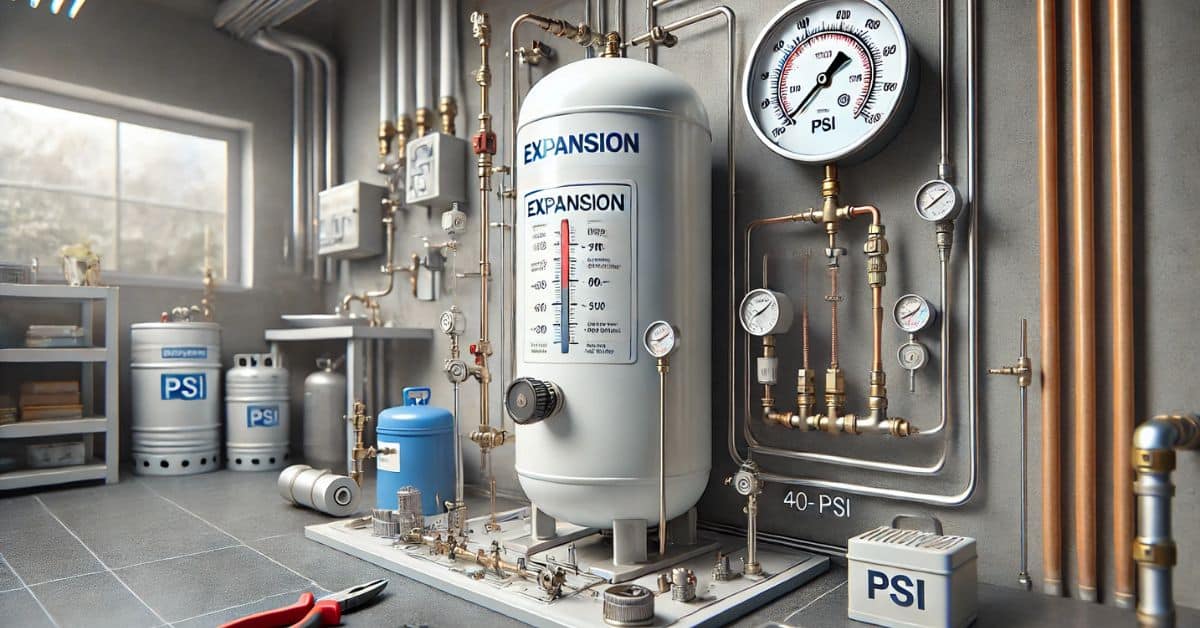
When maintaining your plumbing system, knowing the right pressure for your expansion tank is essential. The ideal psi for an expansion tank should usually match your home’s water pressure, which typically ranges from 40 to 60 psi. This simple setup can prevent damage caused by thermal expansion in your system, keeping everything working well and efficiently.
I’ve seen many homeowners overlook this aspect, thinking it’s just another “to-do” on their list. However, understanding the correct psi not only helps in maintaining the tank but can also enhance the overall performance of your plumbing. Getting it right is important for preventing leaks and making sure that your system operates at its best.
So, if you’ve ever been unsure about how to set your expansion tank, or if you simply want to learn more about why it matters, you’re in the right place. Let’s dive in and make sure you have all the information you need to keep things under control.
Understanding Expansion Tanks
Expansion tanks play a vital role in plumbing systems, especially for handling the effects of thermal expansion. They help maintain pressure levels and prevent damage to pipes and water heaters. Let’s dive into their functions and types.
Role in Plumbing Systems
In every plumbing system, water can heat up and expand, especially in a hot water tank. This expansion can increase pressure beyond what the system can safely handle. An expansion tank acts as a buffer. It absorbs the extra pressure caused by thermal expansion, keeping the system stable.
Most plumbing codes require an expansion tank to meet safety standards. Without one, you risk damaging your plumbing and wasting energy. It’s a small investment with significant returns in system longevity and safety.
Types of Expansion Tanks
There are mainly two types of expansion tanks: diaphragm expansion tanks and bladder expansion tanks.
- Diaphragm Expansion Tanks: These tanks contain a rubber diaphragm that separates the water from the air. The air pressure can be adjusted to match the system’s cold water pressure, typically ranging from 12 to 15 psi.
- Bladder Expansion Tanks: Similar to diaphragm tanks, but they include a movable bladder that represents the air and water separation. They can handle higher pressures and more significant thermal expansion.
Knowing the right type for your hot water system can help maintain balance and efficiency. Choosing the correct tank is important for plumbing performance and longevity.
Pre-Installation Considerations
Before diving into the installation of your water heater expansion tank, it’s important to understand a couple of key factors. Getting these aspects right can save headaches.
Determining Tank Volume
First, I always check the system pressure of the plumbing in your house. It’s important to know how much water you’re working with. Typically, expansion tanks can handle pressures ranging from 12 to 40 psi.
To find the right tank volume, you should consider the size of your water heater as well. A smaller water heater needs less expansion tank volume. For example, a 40-gallon tank may work well with a 2-gallon expansion tank.
I use a simple formula to estimate:
- Water Heater Capacity (gallons)
- Tank Volume = (Water Heater Capacity) ÷ 20
This helps make sure the expansion tank will handle changes in pressure due to heating water.
Checking Incoming Water Pressure
Next, I check the incoming water pressure. It’s vital that the expansion tank pressure matches or is slightly lower than the system pressure. To do this correctly, I grab a pressure gauge to measure it first.
Most homes have an incoming water pressure between 40 and 80 psi. If the pressure is too high, I may need to adjust the expansion tank pressure to prevent potential issues.
If the incoming pressure is low, it might compromise the efficiency of your system. Always aim for a normal range to avoid unnecessary strain on your plumbing system. Properly matching these pressures will help maintain a smooth operation.
Proper PSI Settings
Getting the right PSI setting for your expansion tank is important. It makes sure your system operates efficiently and prevents potential failures. Let’s look at the factory pre-set pressure and how to adjust it to match your specific system needs.
Factory Pre-set PSI
Most expansion tanks come factory pre-charged to 12 psi. This is standard for many systems but not always correct for yours. If your system operates at a higher pressure, you may need to adjust accordingly.
For instance, if your system has a pressure reducing valve set to 15 psi, the expansion tank should match that. Keeping the right factory setting makes sure that there is enough air cushion for thermal expansion without causing water hammer or pressure fluctuations.
Always check the pre-charge before installation. You can use a hand pump and a pressure gauge to verify it. Remember, if your tank is set too low, it may fill too quickly. If it’s too high, it won’t absorb enough expansion.
Adjusting Pressure to Match System
To get the correct pressure, start by checking your system’s cut-in pressure. Typically, you should set the tank pressure 2 psi below that figure. For example, if your pressure relief valve is set to 30 psi, you should adjust your tank to 28 psi.
Use a compressor or hand pump to pre-pressurize the tank if needed. Always maintain to release any water in the tank before making adjustments, as this gives you an accurate reading. If you find that your expansion tank is set above the system pressure, it can cause premature wear or leaks.
Keep a close eye on these settings to maintain the health of your system. Correct pressure not only maintains longevity but also maximizes efficiency.
Installation Process
Installing an expansion tank is an important step for maintaining your plumbing system’s efficiency. It maintains the right pressure balance and helps protect your water heater from sudden pressure spikes. Here’s how to do it properly.
Securing the Expansion Tank
First, choose a suitable location for your expansion tank, ideally near the water heater. The area should be dry and easily accessible.
Once you’ve selected your spot, secure the tank with sturdy brackets or straps. Make sure it’s stable and won’t shift over time. If you’re mounting it horizontally, make sure it’s supported on both ends. Follow the manufacturer’s instructions for specifics about mounting.
Important: Before installation, adjust the expansion tank to the correct pre-charge. Use a tire gauge to check the pressure and match it to your plumbing system, which usually runs between 40-60 psi. If necessary, use a bike pump to add air.
Connecting to the Water Heater
To connect the expansion tank, I start by locating the cold water supply line that feeds into the water heater.
Shut off the water supply and drain the line. Then, using appropriate plumbing fittings, connect one end of the expansion tank to the cold water line.
Make sure the connection is secure and leak-free. I usually wrap Teflon tape around the threads to help seal the joint. Once connected, turn the water supply back on and check for leaks at both connection points. If you’re using a pressure regulator, make sure it’s also set to the right psi to maintain balance in the system.
This careful installation maximizes the efficiency of your water heater and plumbing system.
Maintenance and Troubleshooting
Keeping your expansion tank in good shape can prevent headaches down the line. Regular maintenance and troubleshooting common issues helps make sure everything runs well and efficiently.
Regular Checks and Balancing
I recommend checking the air pressure in your expansion tank at least twice a year. Use a pressure gauge to measure the pressure and make sure it falls within the ideal range of 12 to 15 psi. If it’s too low, you’ll need to add air. Before doing this, make sure the tank is empty of water to get an accurate reading.
If you notice water leaks around the tank or pressure relief valve, those need immediate attention. Leaks can lead to pressure problems, so they shouldn’t be ignored. Regularly inspect for signs of wear and tear or any visible damage. Maintaining the right balance helps prevent costly repairs later.
Identifying Common Issues
Sometimes, issues arise even with regular care. If your system isn’t functioning well, check the pressure relief valve first. This valve helps manage excess pressure. If it’s faulty or leaking, it can result in pressure loss.
Another common problem is an incorrect air charge. If the air pressure is too high or too low, it affects the tank’s efficiency. A quick adjustment can often solve this. Lastly, always monitor for any strange noises or vibrations, as these can indicate a deeper issue within your HVAC system. Staying vigilant can save you lots of time and money.
Safety and Compliance
Safety and compliance are critical for installing and maintaining an expansion tank. It’s important to follow plumbing codes and regulations to maintain proper function and safety. Additionally, implementing backflow prevention helps protect the water supply in your home.
Understanding Plumbing Codes
Plumbing codes set out the accepted standards for installing systems like expansion tanks. These codes vary by region but often include requirements for pressure settings and safety features. For instance, make sure that the expansion tank pressure matches the system pressure, typically between 12 to 40 psi.
Installing a pressure relief valve is also important. This valve protects your system from exceeding safe pressure levels, which can prevent damage and leaks. Always refer to local plumbing codes to confirm compliance. I advise checking the rules specific to your area before starting any installation.
Installing Backflow Preventers
A backflow preventer is essential to keep contaminants out of your water supply. It makes sure that water flows in one direction only, preventing any dirty water from flowing back into your clean water system.
When installing a backflow preventer, choose a model that meets local plumbing codes. Make sure it’s equipped to handle the pressure levels in your system. Regular maintenance is key to maintaining its effectiveness.
Install the backflow preventer near the main supply line, and remember to check it annually, especially before winter. This will help keep your water clean and safe for use.
Frequently Asked Questions
I often get questions about expansion tank pressure. It’s important to know how to match your tank’s pressure with your system’s needs. I’ll cover the details that can help you avoid potential issues.
What’s the deal with matching an expansion tank’s pressure to the water pressure?
Matching the expansion tank’s pressure to your home’s water pressure is vital. This makes sure that the tank can effectively manage changes in volume. If the pressures don’t align, it can lead to water hammer or even damage to your pipes.
How do you calculate the correct pressure for an expansion tank?
To calculate the right pressure, start by checking your home’s water pressure. You can usually find this information on your water bill or by using a pressure gauge. Set the expansion tank pressure to about 2 psi below the system pressure for best results.
Can having too low pressure in an expansion tank cause issues?
Yes, having too low pressure can create problems. It may not absorb thermal expansion sufficiently, leading to increased water pressure in your system. This could cause leaks or even burst pipes if left unchecked.
What’s the scoop on setting pressure for a chilled water expansion tank?
For chilled water systems, the pressure setting should match the system pressure. Properly setting this pressure prevents excessive cycling of the pump and promotes efficiency. It’s essential for maintaining a stable system temperature.
How does boiler expansion tank pressure affect the system?
The pressure in a boiler expansion tank directly impacts the heating system. If the pressure is too high, it can cause leaks or system failure. Conversely, too low pressure can lead to air being sucked into the system, resulting in poor performance.
What should you do if the expansion tank pressure for a well is off?
If the expansion tank pressure for a well is incorrect, it’s important to adjust it. First, measure the current pressure with a gauge. If it’s outside the recommended range, use a pump to add or release air to match the system pressure, maintaining smooth operation.

Thomas Peterson
Owner WSA
About the Author
Latest Posts
Born and raised in Nanaimo on Vancouver Island. Thomas gained a deep appreciation for the importance of clean, reliable water. With over 15 years of experience working with water treatment systems, Thomas has become a trusted expert in helping local homeowners and businesses resolve the unique challenges of well water across the Island.
From hard water and iron buildup to low water pressure and sediment issues, Thomas takes a practical, no-nonsense approach to solving water problems. Whether it’s installing filtration systems or troubleshooting well pump issues, Thomas focuses on long-lasting solutions that help people get the clean, safe water they need.
As a proud local professional, Thomas is dedicated to serving his community with honesty, quality service, and expert advice tailored to the water conditions of Vancouver Island.
Areas of Expertise: Well Service, Well Pumps, Water Filtration Systems
- Clack Water Softener Alternatives: Top Systems for Hard Water Treatment in 2025 November 8, 2025
- Best Well Water Test Kit Options for Safe Home Water Testing in 2025 November 5, 2025
- Best Well Water TDS Meter for Accurate Home Testing in 2025 November 1, 2025
- Best Well Water Sediment Filter Systems for Clean Home Water in 2025 October 29, 2025
- Best Well Water Saltless Water Softener Systems for 2025 October 26, 2025
Facebook Twitter LinkedIn Instagram Reddit
Fact Checked & Editorial Guidelines
Our Fact Checking Process
We prioritize accuracy and integrity in our content. Here’s how we maintain high standards:
- Expert Review: All articles are reviewed by subject matter experts.
- Source Validation: Information is backed by credible, up-to-date sources.
- Transparency: We clearly cite references and disclose potential conflicts.
Your trust is important. Learn more about our fact checking process and editorial policy.
Reviewed by: Subject Matter Experts
Our Review Board
Our content is carefully reviewed by experienced professionals for accuracy and relevance.
- Qualified Experts: Each article is assessed by specialists with field-specific knowledge.
- Up-to-date Insights: We incorporate the latest research, trends, and standards.
- Commitment to Quality: Reviewers check clarity, correctness, and completeness.
Look for the expert-reviewed label to read content you can trust.