
How to Make a Venturi Water Pump? (Explained)
How to make a venturi water pump? Creating simple yet pump harnesses the power of Venturi effect, allowing you to move water efficiently with minimal effort.

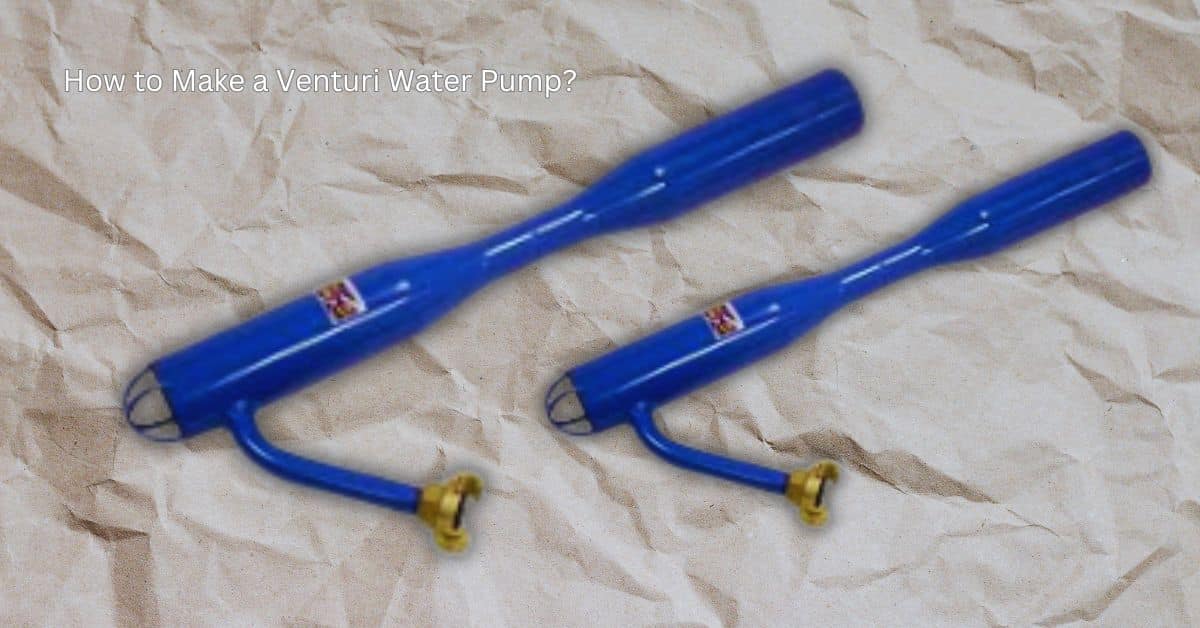
Making a Venturi water pump is a rewarding DIY project that can enhance your home aquaponics or hydroponics setup. Creating this simple yet effective pump harnesses the power of the Venturi effect, allowing you to move water efficiently with minimal effort. This guide will walk you through the materials you’ll need, how to design and assemble your pump, and tips to make sure it runs well.
As I share my knowledge, I’ll highlight some practical applications for this pump. Whether you want to aerate water in a fish tank or recirculate nutrients in a garden, the Venturi water pump is versatile and is easy to create.
Understanding the Venturi Effect
The Venturi effect demonstrates how fluid dynamics can create pressure changes. This principle is vital for understanding how a Venturi water pump operates. I’ll break down its key principles and how it differs from traditional pumps.
Principles of a Venturi
The Venturi effect occurs when a fluid flows through a pipe that narrows. As the pipe narrows, the fluid speeds up, leading to a drop in pressure. This drop in pressure creates a suction effect.
Here’s how it works:
- Fluid Flow: As water moves through the wider section of the pipe, it gains speed.
- Narrowing Pipe: Once the water reaches the narrowed section, it moves even faster.
- Pressure Drop: The increase in speed causes a decrease in pressure in that section.
This pressure drop is essential for drawing in air or other fluids, making it ideal for pumps and vacuum systems. A Venturi vacuum pump uses this principle effectively to create suction without needing an additional motor.
Venturi vs. Traditional Pumps
When comparing Venturi pumps to traditional pumps, there are some key differences. Traditional pumps use mechanical parts, such as pistons or impellers, to create pressure or suction.
In contrast, a Venturi pump relies solely on the flow of fluid and the principle of pressure change. Here are some advantages:
- Simplicity: Fewer moving parts mean less maintenance.
- Space-Saving: Venturi pumps can be compact and fit into tight spaces.
- Power Consumption: They often use less energy since they harness fluid dynamics instead of motors.
My experience shows that Venturi pumps, particularly in applications like aquaponics, efficiently circulate and aerate water. Making or using a Venturi vacuum pump can be a smart solution for many projects.
Materials and Tools
When making a Venturi water pump, choosing the right materials and tools is essential. I’ll guide you through selecting the best plastics and the necessary tools for a successful assembly.
Selecting the Right Plastics
For a Venturi water pump, I recommend using PLA or ABS plastics. Both materials are popular for DIY projects due to their durability and ease of handling.
- PLA (Polylactic Acid): It’s biodegradable and easier to print with. If your pump isn’t exposed to too much heat, PLA should work just fine.
- ABS (Acrylonitrile Butadiene Styrene): It’s stronger and more resistant to heat, making it a solid choice for outdoor setups.
Consider the sealing requirements as well. Using a proper sealing method like silicone adhesive will help prevent leaks. Choose plastics that allow for smooth edges and fit together snugly to maintain the best performance.
Tools for Assembly
I like to keep my tool kit simple when making a Venturi pump. Here’s what you’ll need:
- Cutting Tools: A utility knife or a saw will help cut the plastic to the required sizes.
- Drill: For making any necessary holes, especially when securing parts together.
- Wrenches or Pliers: They’re useful for tightening connections.
- Adhesive: Use a strong waterproof adhesive or sealant to maintain a tight bond between components.
Having the right tools not only makes assembly easier but also makes sure that everything fits together well. A little preparation goes a long way in making your pump a success.
Design and Planning
Designing a venturi water pump requires careful consideration of dimensions and a clear blueprint. Getting these details right is important for maintaining effective water flow and pressure management. Here’s how I usually tackle the design phase.
Calculating Dimensions
To create an efficient venturi pump, I need to start with precise measurements. The dimensions will impact how water flows through the system.
- Diameter Sizes: I begin by determining the sizes for the inlet and outlet tubes. Typically, I use 1-inch or 1.25-inch tubes for the inlet, which helps accommodate sufficient water flow.
- Length of the Venturi: The throat of the venturi should be about half the diameter of the inlet. A common length to aim for is around 4 to 6 inches.
- Water Flow Rate: Knowing the desired flow rate helps me adjust the dimensions correctly. I calculate the water pressure, as this influences how much oxygen the venturi can introduce into the water.
By mapping out these specifications early, I make sure my pump does what it needs to effectively.
Creating a Venturi Blueprint
Next, I move to drafting a detailed blueprint for the pump. This visual guide is essential for a successful DIY venturi.
- Sketching the Design: I usually start with a rough sketch, focusing on the inlet, throat, and outlet. This gives me a clear picture of how everything fits together.
- Materials List: I compile a list of required materials. Commonly, I’ll need PVC pipes, connectors, and possibly some seals to prevent leaks. It’s best to choose materials that can withstand water pressure.
- Assembly Instructions: Alongside the blueprint, I write concise assembly instructions. Clear steps help me visualize the process so I can put everything together smoothly.
Creating a solid blueprint sets the stage for a successful build, allowing me to focus on craftsmanship on the project day.
Assembly Process
As I work through the assembly of a Venturi water pump, I focus on building the venturi tube and making sure it is properly sealed for effective water flow. These steps are important to getting the pump working well.
Constructing the Venturi Tube
To start, I gather the main materials: acrylic tubes in different diameters. I typically use 1-inch and 1.25-inch tubes for this project.
First, I cut the tubes to the required lengths. The larger diameter tube will serve as the main body, while the smaller one creates the venturi effect. I make sure the cuts are clean to maintain a good fit.
Next, I use a drill to create an opening for the smaller tube. Position the smaller tube at an angle to optimize water flow. I then insert it into the larger tube. It should fit snugly, but not too tight, to allow for adjustments.
Finally, I check the alignment before moving on. Proper alignment is key for maximum pressure difference, as the water needs to flow smoothly through the venturi section.
Maintaining Proper Seal
Now it’s time to focus on sealing. A good seal prevents any leaks, which keeps the pressure consistent within the pump.
I start by applying a silicone sealant around the areas where the two tubes meet. This material is ideal because it’s flexible and strong. I know that a leak here can compromise the pump’s ability to function properly.
Once I’ve applied the sealant, I hold the tubes in place for a few minutes to let it set. I double-check for any gaps, and if I see any, I add more sealant.
After the sealant has fully cured, I run a quick test with water. This helps me make sure that there are no leaks and that the pressure builds within the system as expected. Sealing is critical, and I don’t skip this step.
Testing and Troubleshooting
After building your Venturi water pump, it’s important to make sure it runs correctly. I’ll go through how to evaluate water flow and pressure along with identifying some common issues that could arise during operation.
Evaluating Water Flow and Pressure
To begin, I assess the water flow. I turn on the pump and watch for the amount of water being moved. A good Venturi pump should create a strong stream. If the flow seems weak, check for obstructions in the tubing.
Next, I look at the pressure. Using a pressure gauge can give you a clear reading on how much pressure the pump is generating. Ideal pressure levels help to maintain optimal operation. If the pressure is low, it might be due to improper sizing of the tubes. Maintain the inlet and outlet sizes match your design requirements.
Identifying Common Issues
Sometimes, things don’t go as planned. It’s essential to know the common issues that can pop up with a Venturi pump.
One frequent problem is inconsistent suction. If I notice the pump isn’t drawing water effectively, I check for leaks in the connections. This can significantly impact performance.
Another issue could be air bubbles in the line. This can interrupt the flow and reduce efficiency. To solve this, I make sure there is a proper seal and that no air is getting into the system.
Lastly, if water is backing up instead of flowing smoothly, I look at the hose flexibility. A kinked or collapsed hose can limit flow. Adjusting the setup can often rectify these issues.
Applications in Aquaponics and Hydroponics
Venturi water pumps can play a significant role in both aquaponics and hydroponics. They improve water aeration, enhance the oxygen levels in fish tanks, and support healthy plant growth. Let’s take a closer look at how they integrate with fish tanks and optimize for plant growth.
Integrating with Fish Tanks
In aquaponics, integrating a venturi with fish tanks is essential. The venturi helps to aerate the water, which increases the amount of dissolved oxygen. This is vital for fish health. Higher oxygen levels lead to improved fish metabolism and growth.
When setting up a venturi system, I position it where water flows back into the fish tank. Water is pumped through the venturi, creating suction that draws in air. The air mixes with water and forms bubbles, enhancing the aeration without needing an extra air pump.
This setup makes sure that my fish receive optimal oxygen levels while also supporting plant growth through nutrient-rich water.
Optimizing for Plant Growth
In hydroponics, a venturi water pump is a game changer for plant growth. By aerating the nutrient solution, I provide my plants with better access to oxygen. This promotes faster root development and enhances nutrient uptake.
When I design my system, I use a venturi to deliver water to the plants directly. As the water flows, the venturi injects air, increasing oxygen concentration. Plants thrive with this added oxygen, which helps them absorb nutrients more efficiently.
For those serious about plant health, a venturi can be a key tool in managing your hydroponic system effectively. With proper integration, I can make sure that both my fish and plants flourish in a balanced ecosystem.
Maintenance and Care
Keeping your Venturi water pump in top shape is simple but essential. Here’s how I make sure mine runs well.
Regular Cleaning
I recommend cleaning the pump and venturi periodically. Debris can build up and affect performance. Use a soft brush or cloth to remove any dirt or algae.
Inspect Seals
Check the sealing regularly. If the seals are worn or damaged, they can lead to leaks and loss of suction. I replace mine as needed to maintain efficiency.
Check for Blockages
Every so often, I examine the inlet and outlet for blockages. Small objects or sediment can restrict flow. A quick visual check can save you time down the line.
Monitor Performance
I pay attention to how the pump sounds and operates. If it starts making strange noises or the suction seems off, it’s time to investigate further. Catching issues early can prevent bigger problems.
Lubrication
Some pumps may need lubrication. I apply only manufacturer-recommended lubricants to moving parts, making sure everything runs well. This helps maintain speed and efficiency.
By taking these steps, I can keep my Venturi pump running like a charm. Proper maintenance not only extends the lifespan but also makes sure I get the best performance out of my system. It’s all about being proactive!
Enhancing Performance
To get the most out of a Venturi water pump, you need to focus on optimizing both aeration and efficiency. Proper techniques can significantly boost the pump’s performance, making sure you achieve the best results in your setup.
Airstones and Dissolved Oxygen
Using airstones with your Venturi water pump can greatly improve dissolved oxygen levels in your water. Airstones create tiny bubbles, which increase the surface area for oxygen exchange. When combined with a Venturi setup, these airstones can help draw in more air.
To maximize this effect, choose airstones that have a fine pore size. This will generate smaller, more durable bubbles. Place the airstones strategically in your water tank to promote even distribution of oxygen throughout the water.
Regular cleaning of airstones is essential too. Clogged airstones can reduce airflow, making your pump less effective. A simple rinse with vinegar should keep them working well.
Adjusting for Maximum Efficiency
Pressure plays an important role in how well your Venturi pump performs. To achieve maximum efficiency, make sure to adjust the water flow and pressure accordingly. The goal is to find the sweet spot where the water flows smoothly through the Venturi tube without excessive turbulence.
I recommend starting with a pressure gauge to monitor flow rates. If the pressure is too high, it can cause cavitation, which reduces pumping efficiency. On the other hand, too little pressure won’t allow the pump to create the necessary vacuum effect.
In some cases, you might want to use adjustable valves to fine-tune the flow rate. This adjustment helps maintain consistent performance. Remember, a well-balanced system will make sure you get the most out of your Venturi water pump setup.
DIY Tips and Tricks
When making a DIY Venturi water pump, it’s all about precision and a bit of creativity. Here are some handy tips to help you along the way.
1. Choosing the Right Materials
Use PVC pipes and fittings for durability and ease of use. For your Venturi design, I recommend using 1-inch or 1.25-inch pipes. This size creates the right flow without too much restriction.
2. Creating Suction
Position the venturi correctly in your setup. Place it lower than the water source for optimal suction. This helps the pump draw water more effectively.
3. Experiment with Airflow
Adjust the air pump’s output to see how it affects the floating bubbles. More air can create better oxygenation, which is key for aquaponics systems.
4. Use a Flow Meter
Installing a flow meter can help you track the water output. This is useful if you need to adjust the pump for specific plants or fish.
5. Check for Leaks
Once assembled, test for leaks by running water through your setup. A little plumbing tape can fix minor issues.
The goal is to increase aeration without overloading your system. Building a DIY Venturi can be a rewarding project that enhances your aquaponics setup. If you’re curious for more detailed processes, check out this simple guide to making a Venturi for great tips.
Frequently Asked Questions
I’ve gathered some common questions about making a Venturi water pump. Let’s dive right in and tackle them head-on.
What’s the principle of operation for a Venturi water pump, eh?
A Venturi water pump works on the principle of fluid dynamics. When water flows through a narrowed section of a pipe, its speed increases and pressure decreases. This drop in pressure creates a suction effect, drawing in more fluid or air.
Can you walk me through the setup diagram of a Venturi pump, buddy?
Sure! Picture a simple system. You have a water source entering a pipe that narrows at one point. The wider sections work as an inlet and outlet. You can visualize it as a funnel shape that helps manage water flow and creates suction.
Could you tell me about designing a Venturi water pump for home use?
When designing one for home use, you want to consider your water source and specific needs. Typical dimensions involve using PVC pipes of different diameters. I usually recommend testing various sizes to see what fits your situation best.
How can I maximize the suction power of a Venturi injector?
To boost suction power, make sure you have a strong water flow entering the venturi. A larger inlet pipe can help, and adjusting the angle of the narrowing can lead to more effective suction. Experimentation is key, so try different setups until you find what works best.
What’s the maximum lift a Venturi pump can achieve with water?
The maximum lift depends on factors like water temperature, pipe diameter, and flow rate. Generally, for water, a Venturi pump can lift about 5 to 10 feet. Testing different setups will help you understand the limits of what you have built.
How do I calculate the vacuum created by my Venturi pump, folks?
To calculate the vacuum, measure the pressure difference created in the venturi. A manometer can help with this, allowing you to observe the difference in pressure between the inlet and the narrow section. Keep it straightforward, and you’ll get a good read on your pump’s performance.

Thomas Peterson
Owner WSA
About the Author
Latest Posts
Born and raised in Nanaimo on Vancouver Island. Thomas gained a deep appreciation for the importance of clean, reliable water. With over 15 years of experience working with water treatment systems, Thomas has become a trusted expert in helping local homeowners and businesses resolve the unique challenges of well water across the Island.
From hard water and iron buildup to low water pressure and sediment issues, Thomas takes a practical, no-nonsense approach to solving water problems. Whether it’s installing filtration systems or troubleshooting well pump issues, Thomas focuses on long-lasting solutions that help people get the clean, safe water they need.
As a proud local professional, Thomas is dedicated to serving his community with honesty, quality service, and expert advice tailored to the water conditions of Vancouver Island.
Areas of Expertise: Well Service, Well Pumps, Water Filtration Systems
- Clack Water Softener Alternatives: Top Systems for Hard Water Treatment in 2025 November 8, 2025
- Best Well Water Test Kit Options for Safe Home Water Testing in 2025 November 5, 2025
- Best Well Water TDS Meter for Accurate Home Testing in 2025 November 1, 2025
- Best Well Water Sediment Filter Systems for Clean Home Water in 2025 October 29, 2025
- Best Well Water Saltless Water Softener Systems for 2025 October 26, 2025
Facebook Twitter LinkedIn Instagram Reddit
Fact Checked & Editorial Guidelines
Our Fact Checking Process
We prioritize accuracy and integrity in our content. Here’s how we maintain high standards:
- Expert Review: All articles are reviewed by subject matter experts.
- Source Validation: Information is backed by credible, up-to-date sources.
- Transparency: We clearly cite references and disclose potential conflicts.
Your trust is important. Learn more about our fact checking process and editorial policy.
Reviewed by: Subject Matter Experts
Our Review Board
Our content is carefully reviewed by experienced professionals for accuracy and relevance.
- Qualified Experts: Each article is assessed by specialists with field-specific knowledge.
- Up-to-date Insights: We incorporate the latest research, trends, and standards.
- Commitment to Quality: Reviewers check clarity, correctness, and completeness.
Look for the expert-reviewed label to read content you can trust.