
How to Make Well Pump Quieter? The Ultimate Guide
How to make well pump quieter? Understanding how your pump operates and where the noise is coming from is key to mitigating the problem.

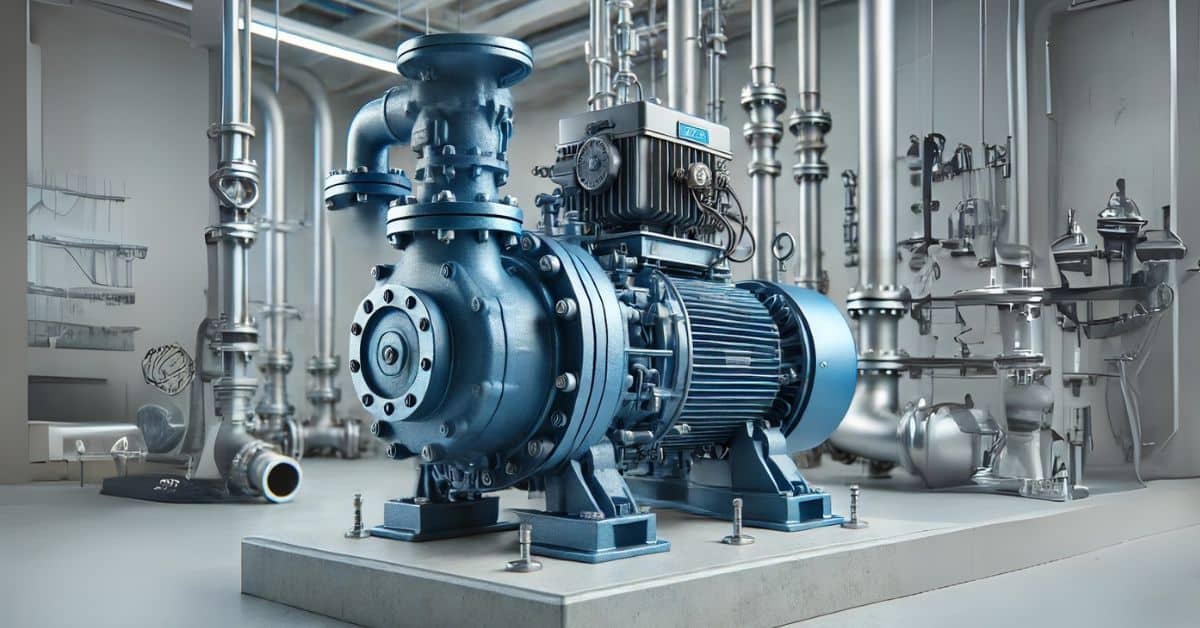
If you’re tired of the constant hum and vibrations from your noisy well pump, you’re not alone. Many people face similar frustrations, especially when these sounds disturb the peace of their homes. Whether you’re looking for simple fixes or advanced soundproofing techniques, I’ve got tips to help you find the right solution.
Understanding how your pump operates and where the noise is coming from is key to mitigating the problem. From proper positioning to soundproofing materials, each step can make a significant difference. By following practical maintenance strategies and noise reduction techniques, I can help you keep the racket at bay.
Let’s explore the various options available for making your well pump quieter, so you can get back to enjoying a serene environment in your home.
Understanding Your Well Pump
Knowing how your well pump operates is key to making it quieter and more efficient. Different types of pumps have unique noise characteristics. Likewise, understanding common sources of noise can help address any issues.
Types of Water Pumps
There are several types of water pumps out there. The most common ones include submersible pumps and jet pumps.
- Submersible Pumps: These sit underwater in the well and push water to the surface. They are generally quieter because they are submerged, which helps muffle noise.
- Jet Pumps: Positioned above ground, these suck water from the well. They can be louder because the motor and other components are not dampened by water.
It’s important to know which type you have. I’ve found that materials also matter; pumps made from cast iron tend to be quieter than those made from plastic or stainless steel.
Common Noise Sources in Pumps
Noise in well pumps can come from various sources. Understanding these can help in troubleshooting.
- Vibration Noise: This occurs when the pump isn’t securely mounted. Loose pipes or improper installation can amplify vibrations.
- Bearings: Worn motor bearings can create grinding or rattling noises. Regular maintenance can make sure they remain in good condition.
- Impeller Issues: If debris gets into the pump, it can disrupt water flow and cause noise. A clogged impeller can lead to cavitation, which creates a loud knocking sound.
- Motor Bearings: If these bearings fail, the pump might make a loud screeching noise. It’s smart to check and replace them as needed.
Pre-Installation Best Practices
Before installing your well pump, there are key factors to consider that can significantly affect its noise levels and overall performance. Making informed choices early on can lead to a quieter, more efficient system that serves you well for years to come.
Selecting the Right Pump
When I choose a pump, I pay close attention to the specifications. It’s important to select a pump that suits your water needs while also considering its noise level. Some pumps are designed to operate more quietly than others.
Look for models that specify low decibel ratings. A pump operating below 70 decibels is often a good choice for residential areas. Tools like a decibel metercan help you gauge noise levels before making a final decision. Remember, an efficient pump not only performs well but can also minimize vibrations, further reducing noise.
Understanding Noise Level Specifications
Many pumps come with technical specifications that include noise levels. These ratings usually indicate how loud the pump will be when it operates. When reading these specifications, I seek out detailed information on decibel ratings and sound tests, often conducted under standard conditions.
It’s also wise to check for noise-reducing features, such as rubber mounts or insulated pumps. These can significantly cut down on vibrations that contribute to unwanted noise in your home. Pay attention to the installation guidelines provided with the pump as well; they often include tips for reducing noise that can be very helpful.
Maintenance Strategies
Taking care of your well pump not only helps it run well but also reduces noise. By following some key maintenance strategies, you can keep your pump in good shape and quiet.
Regular Maintenance
Regular maintenance is important for a well pump. I recommend checking the pump’s condition every few months. Look for any signs of wear or damage, such as leaks or rust. These issues can lead to louder operation.
Also, make sure the electrical connections are secure. A loose connection can cause the pump to work harder, increasing noise levels. Testing the pressure switch and making sure it functions properly is another important step. If it’s not operating as it should, you might hear extra noise during its cycles.
Lastly, don’t forget to clean any filters. A clogged filter strains the pump, making it work harder and louder.
Lubrication and Care
Proper lubrication is essential for keeping your well pump quiet. I often check the manufacturer’s guidelines to know what type of lubricant to use and when to apply it.
When lubricating, focus on the motor and moving parts. Applying lubricant reduces friction and noise. It’s important not to over-lubricate, as excess can cause issues.
Another aspect of care involves inspecting the components for any signs of wear. If I spot any damaged parts, I replace them promptly. Neglecting this can lead to sounds caused by instability or malfunction.
In addition, keeping the surrounding area clean and free from debris can help maintain the pump’s performance and noise level. A tidy pump environment supports its longevity and effectiveness.
Noise Reduction Techniques
When dealing with a noisy well pump, several effective techniques can make a significant difference. I’ll share some practical approaches that focus on reducing vibration and sound transmission, helping create a more peaceful environment around your home.
Anti-Vibration Solutions
One of the best ways to reduce noise from a well pump is by using anti-vibration solutions. Placing your pump on an anti-vibration pad is a smart move. These pads are designed to absorb vibrations, which prevents them from transferring to your home’s structure.
You can find different types, including rubber and foam pads. They come in various sizes, so make sure to choose one that fits your pump. This simple upgrade can cut down noise levels significantly, sometimes by over 19 decibels. Ample cushioning means less rattling, making a noticeable difference.
Soundproofing Enclosures
Building a soundproofing enclosure is another effective method. A well-designed box or shed can help contain and muffle noise from your pump. Use thick materials like plywood or soundproofing foam.
When constructing the enclosure, make sure there is proper ventilation to allow for heat dissipation. I always recommend using acoustic caulk to seal any gaps. This blocks sound from escaping and enhances the effectiveness of your setup.
Keep the pump easily accessible; regular maintenance is essential for its longevity. An enclosure not only keeps noise down but can also protect your pump from weather conditions.
Isolation and Damping
Isolation techniques can be important in sound reduction. Start by making sure your pump is not in direct contact with any walls or floors. This extra space helps reduce the noise caused by vibrations.
In addition, consider adding damping materials around your pump. These materials absorb sound energy and help prevent it from traveling through your home. Look for items like mass-loaded vinyl or dense rubber sheets.
Both solutions will help in keeping the noise minimal. The combination of isolation and damping creates a quieter working environment, leading to a noticeable improvement in your confidence.
Choosing Soundproofing Materials
For making your well pump quieter, selecting the right soundproofing materials is key. The materials you choose can have a significant impact on noise reduction and the overall effectiveness of your soundproofing efforts. Let’s explore some specific options that can help achieve a quieter environment.
Acoustic Materials & Their Properties
Acoustic materials are designed specifically to absorb sound and reduce noise pollution. They come in various types, each with unique properties.
- Density: Heavier materials tend to block sound better. Look for materials with a high density for maximum effectiveness.
- Porosity: Open-cell materials are good at absorbing sound waves, while closed-cell materials also block sound.
- Thickness: Thicker materials generally provide better soundproofing.
Common acoustic materials include mass-loaded vinyl, absorption panels, and rubber mats. These materials can absorb vibrations and reduce noise transmission from the pump. When choosing, consider where and how you plan to use them for the best results.
Soundproofing With Acoustic Foam
Using acoustic foam is a popular method to quiet down noisy machines. This material is lightweight and easy to install. It works by absorbing sound waves, making it ideal for tackling the noise from your well pump.
I recommend placing acoustic foam directly around the pump or on nearby walls to trap sound. It’s usually available in various shapes, like wedges or pyramids, which can increase surface area for better absorption.
Make sure to select high-density foam for optimal results. While it won’t block sound entirely, it can significantly reduce echo and vibrations. You can find acoustic foam in many sizes and thicknesses, making it versatile for any setup.
Using Acoustic Panels and Isolation Strips
Acoustic panels are another excellent option for soundproofing your well pump area. They are thicker and denser than foam, making them effective for absorbing and blocking sound.
When installing, cover the walls around the pump with these panels. You should mount them strategically to minimize the sound that travels through walls.
Isolation strips can also be a game-changer. These strips are used to separate the pump from the surface it sits on. By placing them under the pump, you can significantly cut down on vibrations that travel through the floor or walls.
Combining acoustic panels and isolation strips can give you a layered approach to soundproofing that’s tough to beat. This will improve the sound quality in your home and create a more peaceful environment.
Advanced Soundproofing Techniques
There are several effective ways to reduce noise from a well pump. By implementing a soundproof box and addressing both airborne and impact noise, you can create a quieter environment.
Creating a Soundproof Box
Building a soundproof box for your well pump can make a significant difference in noise reduction. Start by using materials like plywood or MDF for the walls. These materials are dense and can help block sound.
Make sure the box is large enough to accommodate the pump with some space for airflow. Proper ventilation is important, so you should include openings covered with acoustic foam. This setup reduces noise while allowing the pump to operate effectively.
When assembling the box, use resilient materials for seals and fasteners. This will help limit vibrations from transferring to the surrounding structure, making the entire system quieter. Placing sound-absorbing panels inside the box can further dampen any residual noise.
Addressing Airborne and Impact Noise
To tackle airborne noise, consider sound barriers. This can include placing thick rugs or mats around the pump area. These absorb sound waves and minimize echo, creating a calmer environment.
For impact noise, make sure that the pump is on a stable base. Adding anti-vibration pads can significantly reduce vibrations that travel through the floor. Connect any pipes using flexible couplings, which can help isolate the noise generated during pump operation.
When to Consult a Professional
If you’re facing ongoing noise issues with your well pump, it may be time to get expert help. Knowing when to call in a professional can save you time, money, and a lot of frustration.
Assessing Pump Issues
First, I recommend checking for clear signs of problems. If your well pump is making loud or unusual noises, it might indicate something more serious. Common issues can include improper installation or mechanical wear.
Look for leaks or vibrations along the piping. These can often lead to excessive noise. If you’re unsure about diagnosing the problem, it’s best to consult a professional. They can assess the situation and provide an accurate diagnosis.
They’ll have the tools and experience to identify issues you might miss. Waiting too long can lead to bigger, costlier repairs down the line.
Professional Soundproofing Services
If you’ve tried soundproofing your pump but it’s still noisy, it’s time to call in a professional for soundproofing help. Experienced contractors can evaluate the pump setup and make effective recommendations.
They might suggest upgrades or specialized materials to minimize noise. This can include installing the pump on a vibration-damping pad or adding insulation to the surrounding area.
Custom solutions can often make a significant difference. Choosing the right professional makes sure you get a quality service that addresses your specific needs. Don’t hesitate to reach out if the noise persists after your attempts.
Conclusion
Dealing with a noisy well pump can be frustrating. I’ve been there, and I know the importance of peace and quiet in your home.
First, I recommend examining the pump’s installation. If it’s not secured properly, vibrations can spread through the pipes. A simple fix like adding insulation around the pipes can help reduce noise.
Next, consider your pump’s model. Upgrading to a quieter model or installing a variable-speed pump can make a significant difference. A variable-speed pump adjusts its speed based on demand, leading to less noise during operation.
Here are some quick tips:
- Secure all pipes: Use brackets or straps to maintain pipes are firmly attached.
- Add soundproofing: Insulate or box in the pump with soundproof materials.
- Regular maintenance: Keeping your pump well-maintained prevents excessive noise and prolongs its lifespan.
Lastly, don’t hesitate to consult a professional if the sound persists. They can diagnose underlying issues that might require attention.
Taking these steps can lead to a much quieter and more enjoyable living environment. It’s all about finding the right balance for your home.
Frequently Asked Questions
For quieting a well pump, I often hear the same questions. Let me provide clear answers to your concerns about noise reduction methods and DIY solutions.
What are effective methods to dampen the noise from a water pump?
There are several solid ways to reduce noise from a water pump. One effective method is installing vibration isolators. These absorb vibrations and can significantly lower noise levels.
Another approach is using acoustic mats around the pump. These mats help absorb sound waves.
Are there any do-it-yourself solutions for reducing well pump noise?
Absolutely! One simple DIY method is to secure loose pipes. Loose pipes often transmit vibrations and sound. By tightening or securing them, you can cut down the noise.
Another option is to build a simple sound barrier around the pump using plywood. Just make sure it’s well-ventilated to prevent overheating.
What type of soundproofing works best for an indoor water pump?
For indoor pumps, soundproofing insulation works wonders. Materials like foam or sound-deadening panels can be placed around the pump to absorb sound.
Additionally, use rubber mats under the pump to minimize vibrations and noise transfer to the floor.
Can you recommend a water pump silencer kit that’s proven effective?
I suggest looking into kits designed specifically for water pumps. The “Quiet Pump” series is known for its effectiveness in noise reduction.
These kits usually come with sound-dampening materials and installation guides to make the process easier.
How can noise reduction techniques be applied to an outdoor well pump?
For outdoor pumps, the same techniques apply. Adding a shelter can help. A wooden or vinyl enclosure will not only reduce sound but also protect from the elements.
Make sure there’s proper ventilation to avoid overheating inside the shelter.
What should be considered when building a soundproof box for a pump?
When building a soundproof box, keep ventilation in mind. A well-circulated box will prevent heat build-up, which could damage the pump.
Also, make sure the materials used are sturdy and provide ample sound insulation. The tighter the box, the better the noise reduction.

Thomas Peterson
Owner WSA
About the Author
Latest Posts
Born and raised in Nanaimo on Vancouver Island. Thomas gained a deep appreciation for the importance of clean, reliable water. With over 15 years of experience working with water treatment systems, Thomas has become a trusted expert in helping local homeowners and businesses resolve the unique challenges of well water across the Island.
From hard water and iron buildup to low water pressure and sediment issues, Thomas takes a practical, no-nonsense approach to solving water problems. Whether it’s installing filtration systems or troubleshooting well pump issues, Thomas focuses on long-lasting solutions that help people get the clean, safe water they need.
As a proud local professional, Thomas is dedicated to serving his community with honesty, quality service, and expert advice tailored to the water conditions of Vancouver Island.
Areas of Expertise: Well Service, Well Pumps, Water Filtration Systems
- Clack Water Softener Alternatives: Top Systems for Hard Water Treatment in 2025 November 8, 2025
- Best Well Water Test Kit Options for Safe Home Water Testing in 2025 November 5, 2025
- Best Well Water TDS Meter for Accurate Home Testing in 2025 November 1, 2025
- Best Well Water Sediment Filter Systems for Clean Home Water in 2025 October 29, 2025
- Best Well Water Saltless Water Softener Systems for 2025 October 26, 2025
Facebook Twitter LinkedIn Instagram Reddit
Fact Checked & Editorial Guidelines
Our Fact Checking Process
We prioritize accuracy and integrity in our content. Here’s how we maintain high standards:
- Expert Review: All articles are reviewed by subject matter experts.
- Source Validation: Information is backed by credible, up-to-date sources.
- Transparency: We clearly cite references and disclose potential conflicts.
Your trust is important. Learn more about our fact checking process and editorial policy.
Reviewed by: Subject Matter Experts
Our Review Board
Our content is carefully reviewed by experienced professionals for accuracy and relevance.
- Qualified Experts: Each article is assessed by specialists with field-specific knowledge.
- Up-to-date Insights: We incorporate the latest research, trends, and standards.
- Commitment to Quality: Reviewers check clarity, correctness, and completeness.
Look for the expert-reviewed label to read content you can trust.