
How to Pressurize a Well Bladder Tank? Step-by-Step Guide
How to pressurize a well bladder tank? To maintain the right pressure in your well bladder tank, you need to check the air pressure regularly and adjust it

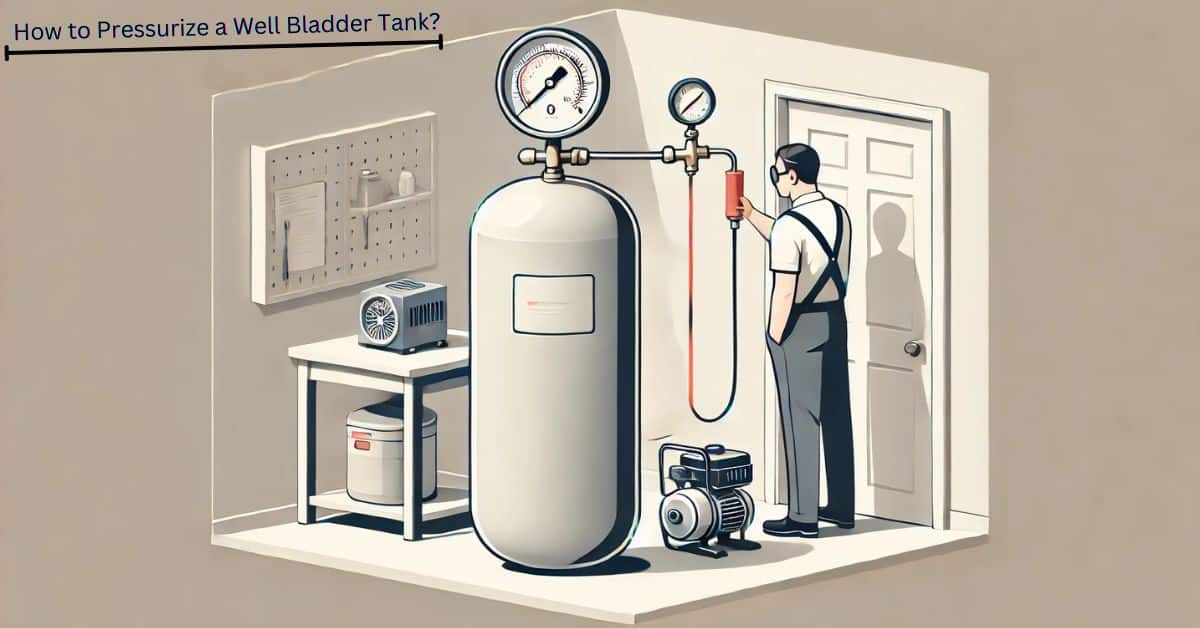
Knowing how to pressurize a well bladder tank is important for making sure your home has reliable water pressure. To maintain the right pressure in your well bladder tank, you need to check the air pressure regularly and adjust it based on the cut-in pressure of your well pump. This simple process not only keeps your water flowing smoothly but also helps avoid unnecessary wear and tear on your pump.
I understand that tackling well maintenance might seem daunting if you’re not familiar with the equipment. However, I’ll guide you through each step, from safety checks to adjustments, so you can do it confidently. By the end of this post, you’ll have a clear understanding of how to keep your well bladder tank functioning optimally.
Understanding Your Well Bladder Tank
Knowing how a well bladder tank works is important for maintaining a steady water supply. These tanks store water under pressure and help make sure that your home has a consistent flow. Let’s dive into the components and types of well tanks to get a firm grasp on this system.
Components and Functionality
A bladder pressure tank has several key parts. The main components include the bladder, water chamber, air chamber, and pressure gauge. The bladder is an inner rubber bag that holds water, while the water chamber surrounds it.
When the pump fills the tank, water pushes against the bladder. This action compresses the air in the air chamber, creating pressure. As you draw water from your tap, the pressure in the tank pushes the water out. The cut-in pressure of the system determines when the pump kicks on to refill the tank.
Understanding the balance between water and air pressure helps maintain your well system’s efficiency. Regular checks using a pressure gauge can make sure everything operates smoothly.
Types of Well Tanks
There are mainly two types of well tanks: bladder tanks and diaphragm tanks. Bladder tanks are commonly used because they have an internal bladder that separates water from air. This design helps reduce the risk of water logging and maintains consistent pressure.
Diaphragm tanks operate similarly, but their rubber diaphragm separates the water and air in a slightly different manner. Both types serve the purpose of storing and pressurizing well water, but the bladder tank often requires less maintenance.
Choosing the right tank for your home can affect the performance of your well system. Knowing the differences helps me make better decisions for my water supply needs.
Pre-Pressurization Safety Checks
Before I start pressurizing a well bladder tank, I always check for leaks and make sure that my pressure gauge is accurate. These steps are important for safe and efficient operation. Ignoring them can lead to bigger issues. Here’s what I focus on:
Inspecting for Leaks
First, I check all visible connections, fittings, and the bladder tank itself for any signs of leaks. I look for water pooling around the tank and listen for unusual hissing sounds. If I spot any leaks, I note their locations.
I might use a cloth or towel to wipe down connections to see if moisture appears after a few moments. For small leaks, tightening fittings can help. However, if leaks persist, I’ll replace faulty components.
Paying attention to leaks prevents water wastage and system inefficiency. It’s essential for the longevity of the system. A quick leak check today can save a lot of trouble tomorrow.
Verifying Pressure Gauge Accuracy
Next, making sure my pressure gauge is functioning correctly is vital. An inaccurate gauge can lead to improper adjustments and unsafe conditions.
I start by comparing the gauge reading with a known standard. I might use a reliable handheld pressure gauge or a digital one for precision. If my gauge shows a reading that’s higher or lower than expected, then I know it’s time for calibration or replacement.
I also check for any blockages or dirt in the gauge, as these can cause incorrect readings. Keeping the gauge clean and accurate helps maintain the bladder tank’s performance and my confidence. A confident gauge lets me trust the system is functioning correctly.
Adjusting Air Pressure in the Tank
Getting the air pressure just right in your well bladder tank is essential for proper water flow. I’ll guide you through determining the right psi and using a pressure gauge to help you adjust the air pressure accurately.
Determining the Correct Psi
Start by knowing your cut-in pressure. This is the level at which your pump turns on. For most systems, the precharge pressure should be set at 2 psi lower than your cut-in pressure.
For example, if your pump starts at 30 psi, set the tank pressure to 28 psi. You can usually find this information in the pump’s manual or on the pressure switch label.
Don’t rush this step. Incorrect settings can lead to weak water flow or even damage to the system. Adjusting too high can cause your pump to work harder than needed. When you know the right psi, it’s time to check it with a gauge.
Using a Pressure Gauge
To check the pressure, I use a digital air pressure gauge, which is more accurate than the older stick gauges.
Make sure to check the pressure when the tank is empty, with the water turned off. Attach the gauge to the air valve on the top of the tank.
If you find the pressure low, you can add air using a tire inflator or a compressor. If it’s too high, let some air out. Just like maintaining my car’s tires, keeping the right air pressure in the bladder tank is important for optimal performance.
Regular checks will make sure your system runs well and efficiently. Keeping an eye on the pressure will save you time and money.
Troubleshooting Common Issues
When you encounter problems with your well bladder tank, it’s important to tackle them systematically. Two common issues are waterlogged tanks and pump cycling. Understanding these problems can help you maintain a reliable water supply.
Dealing with Waterlogged Tanks
A waterlogged tank occurs when the bladder inside fails, causing water to fill the air space. This can lead to decreased water pressure and frequent pump cycling.
To tackle this issue, start by checking the air pressure in the tank. The ideal pressure should be around 2 psi below the cut-in pressure of the pump.
If the tank is indeed waterlogged, I often recommend the following steps:
- Turn off the power supply to the pump.
- Drain the tank completely by opening a tap connected to it.
- Use an air compressor to recharge the bladder to the correct pressure.
Keep an eye on it after recharging. If the problem persists, you may need to replace the bladder or the entire tank.
Handling Pump Cycling Problems
Frequent pump cycling can strain your system and lead to premature pump failure. This often happens when the pressure tank is not maintaining the right pressure.
Start by checking for leaks in the system, as these can cause the pump to run more often. Next, verify the bladder pressure. As mentioned earlier, it should be set correctly.
If the bladder pressure is good, consider these points:
- Check the pressure switch: Make sure it’s functioning properly and adjusting correctly.
- Inspect the pump: If it’s undersized or malfunctioning, it could lead to cycling issues.
Taking these steps can help stabilize your system and make sure it operates smoothly.
The Role of the Pressure Switch
The pressure switch is essential for controlling the water flow in your well system. It helps maintain the right pressure levels by turning the pump on and off as needed. Understanding how to set and adjust this switch is important for optimal performance.
Cut-In and Cut-Out Settings
Every pressure switch has specific cut-in and cut-out settings. The cut-in pressure is the point where the pump activates to fill the bladder tank, while the cut-out pressure is when the pump stops.
For instance, if your cut-in pressure is set at 30 psi, the pump will turn on when the tank pressure drops to this level. The cut-out pressure, often set around 50 psi, is where the pump stops working once the tank reaches that pressure.
These settings depend on the requirements of your water system and should match the specifications listed on your pressure switch. Adjusting these correctly maintains a consistent water supply without pump strain.
Adjusting the Pressure Switch
Adjusting the pressure switch is straightforward but requires some care. First, locate the two adjustment screws on the switch. One screw usually controls the cut-in pressure, and the other adjusts the cut-out pressure.
To change the cut-in pressure, turn the screw clockwise to increase the pressure or counterclockwise to decrease it. Adjusting the cut-out pressure follows the same principle. Always remember to make small adjustments and test the system after each change.
Keep in mind that the cut-in pressure should be set at about 2 psi lower than the bladder tank’s pre-charge pressure. This balance is key to maintaining efficient operation inadequate pressure settings can lead to inefficiency or pump failure.
Maintaining Optimal Water Pressure
Keeping the right water pressure in your bladder tank is essential for a strong, steady flow in your home. I’ve found that managing pressure levels and preventing excessive pressure are key for maintaining a healthy plumbing system.
Managing Water Pressure Levels
To manage water pressure levels in your system, start by checking the pressure settings on your well bladder tank. Ideally, the air pressure in the tank should be set 2 psi below the cut-in pressure of your pump.
Here’s a simple checklist:
- Determine the Cut-In Pressure: This is the point when your pump turns on.
- Check the Bladder Tank Pressure: Use a pressure gauge at the air valve.
- Adjust if Necessary: If the pressure is too low, add air using a tire inflator.
By keeping your tank properly pressurized, you can enjoy better water flow and reduced wear on the pump. Regular checks make sure everything runs well.
Preventing High Water Pressure
High water pressure can lead to leaks and damaged appliances, so it’s important to keep it in check. A pressure regulator can help manage the pressure coming from the water supply system.
Here’s how to keep high water pressure at bay:
- Install a Pressure Regulator: This device will automatically adjust the incoming water pressure.
- Monitor for Signs of High Pressure: Look out for banging pipes or leaks around fixtures.
- Regular Maintenance: I always recommend checking the pressure gauge regularly and making adjustments if needed.
By preventing high water pressure, I save not just on repair costs but also prolong the lifespan of my plumbing system. Proper monitoring and maintenance keep everything working efficiently.
Recharging the Bladder Tank
Recharging a bladder tank involves using the right tools and setting the correct air pressure. This is key for maintaining consistent water pressure in your well system. Here’s how I approach recharging a bladder tank effectively.
Using an Air Compressor or Pump
To recharge the bladder tank, I usually start with an air compressor or a manual pump. I make sure the power is off to the well pump. Then, I locate the air valve on the pressure tank. This is often similar to a car tire valve.
Next, I attach the compressor hose to this air valve. If I’m using a manual pump, I just insert the pump and start filling. As I add air, I keep an eye on the pressure gauge. It’s important to fill gradually to avoid over-pressurizing.
If I hear hissing noises, that indicates air is escaping. That means the bladder might have a leak, and I need to check it further. It’s essential to make sure that the air charge is added smoothly and steadily.
Setting the Proper Air Pressure
Setting the proper air pressure is important for the system’s efficiency. I want to make sure that the pressure in the bladder tank aligns with the well’s pump cut-in and cut-off settings. Generally, this means setting the air pressure to about 2 PSI below the pump’s cut-in pressure.
For instance, if my pump kicks in at 30 PSI, I set the bladder tank’s pressure to around 28 PSI. I check this with a pressure gauge after I’ve added air. Adjustments are easy—just release or add air as needed until I reach the right setting.
After confirming the pressure is set, I close the air valve securely. This makes sure no air will escape. An accurate air charge not only helps with water pressure but also prolongs the life of the bladder and pump system.
Final Checklist Before Use
Before I start using the well bladder tank, there are a couple of important checks I need to complete. Confirming pressure readings and maintaining system integrity can prevent issues down the line and maintain a steady water supply.
Confirming Pressure Readings
The first step is to check the pressure in the bladder tank. I use an air pressure gauge to measure it accurately. Ideally, the bladder tank’s air pressure should be set 2 psi below the cut-in pressure of the well pump. I also keep a tire pressure gauge handy for quick checks.
After checking the air pressure, I turn on the water to see the water pressure gauge readings. If I notice any fluctuations, it might indicate a problem in the system. I will connect a garden hose to drain any excess water and allow for precise adjustments. If everything looks good, I can move to the next check.
Maintaining System Integrity
Next, I inspect the entire system for leaks. I check all connections and hoses, looking for any signs of wear or damage. The holding tank and jet pump must be functioning properly to maintain consistent pressure.
If I find any leaks, I’ll need to repair them right away. A small leak can cause significant pressure loss. Lastly, I listen for unusual sounds from the pump. Any strange noises could signal underlying issues. Taking the time now to check these components saves trouble later on.
Preventive Maintenance and Care
Maintaining a well bladder tank is important to make sure it works effectively. Regular care and quick attention to repairs can save you time and money. Keeping an eye on the system keeps everything working well.
Routine Inspections
I recommend checking your pressure tank regularly. Start by visually examining the exterior for rust, dents, or leaks. If you notice any signs of wear, act quickly. Regular inspections help with leak detection before they turn into larger problems.
Check the air pressure with a tire pressure gauge at the Schrader valve. This should be set 2-4 psi lower than the pump’s turn-on pressure. For example, if your well system runs between 40 psi and 60 psi, aim for a reading around 36 to 38 psi. Keeping the right levels maintains your pressure tank and well pump operate efficiently.
Addressing Minor Repairs Early
If I see a small issue, I take care of it immediately. This could involve tightening loose fittings or patching minor leaks. Ignoring small repairs can lead to significant problems, often requiring costly repairs later on.
Always keep an eye on the bladder for signs of wear or air loss. If you notice waterlogging, it may indicate a bladder failure. Replace the tank if the bladder cannot be repaired. Completing these minor tasks can extend your tank’s lifespan and maintain optimal performance. Stay proactive, and don’t let small issues become big headaches.
When to Replace the Well Tank
Knowing when to replace your well tank can save you time, money, and hassle. Many signs can indicate that your tank has reached the end of its life. I’ll also cover how to choose a replacement tank that meets your needs.
Recognizing End-of-Life Symptoms
I’ve seen a few key signs that help identify when a well tank needs replacement. First, if you notice water leaking around the air inlet valve or any visible cracks, it’s time to take action. A burst water pressure tank can cause severe damage to your home.
Another symptom is inconsistent water pressure. If your water flow is suddenly weak or frequently fluctuates, this could mean the bladder inside a bladder type pressure tank is ruptured or the tank itself is waterlogged.
A water tank pressure relief valve that constantly releases water signals pressure issues, indicating your tank needs attention. Finally, if your well tank is over 15 years old, it’s wise to consider replacement even if it seems to be working fine.
Choosing a Replacement Tank
For selecting a new tank, I recommend opting for a Well-X-Trol bladder type well tank. These tanks are known for their durability and efficiency.
Consider the flow rate of your well pump. Make sure the replacement tank can handle your specific requirements. It’s vital the tank operates at appropriate pressure settings, often between 30-50 psi.
Look for tanks that offer easy access for maintenance, like an adjustable air inlet valve. This feature will make future maintenance tasks much simpler.
Lastly, check the warranty on your new tank. A solid warranty often indicates a manufacturer’s confidence in their product, providing confidence for years to come.
Frequently Asked Questions
I often get questions about how to properly pressurize a well bladder tank. It’s important to understand both the procedure and the maintenance needed for optimal performance. Let’s dive into some of the most common queries.
What’s the correct procedure to adjust a pressure tank’s PSI setting?
To adjust the PSI setting in your pressure tank, first, find the cut-in pressure for your pump. This is when the pump starts. Set your bladder tank’s pressure to 2 PSI below that. Check the pressure using a reliable gauge before making adjustments.
How do I check and adjust the air pressure in my bladder tank correctly?
To check the air pressure, turn off the pump and drain some water from the tank. Attach a tire pressure gauge to the air valve. If the pressure is low, add air until it reaches the desired level. Make sure to check this regularly.
What should I do if my bladder tank’s pressure drops too low?
If your bladder tank’s pressure falls below the recommended level, it’s time to re-pressurize. Follow the steps to check the air pressure and add air as needed. If the tank continues to lose pressure, inspect for leaks or other issues.
How can I safely add air to my pressure tank without emptying it?
You can add air to your pressure tank without draining it by using an air compressor or a bike pump. Simply locate the air valve and connect your pump. Add air gradually, checking the pressure frequently to avoid overinflation.
Is there a risk of damage from too much pressure in a well bladder tank?
Yes, overinflating your well bladder tank can cause damage. Excess pressure can lead to a ruptured bladder or affect the tank’s structure. Always keep an eye on your pressure levels and adjust when necessary to avoid these issues.
What measures can I take if the pressure in my well tank is not right?
If you find the pressure in your well tank isn’t right, first check both the air and water levels. Then, adjust the air pressure according to your pump’s cut-in pressure. If there’s still a problem, examine the components for wear or damage and consider seeking professional help.

Thomas Peterson
Owner WSA
About the Author
Latest Posts
Born and raised in Nanaimo on Vancouver Island. Thomas gained a deep appreciation for the importance of clean, reliable water. With over 15 years of experience working with water treatment systems, Thomas has become a trusted expert in helping local homeowners and businesses resolve the unique challenges of well water across the Island.
From hard water and iron buildup to low water pressure and sediment issues, Thomas takes a practical, no-nonsense approach to solving water problems. Whether it’s installing filtration systems or troubleshooting well pump issues, Thomas focuses on long-lasting solutions that help people get the clean, safe water they need.
As a proud local professional, Thomas is dedicated to serving his community with honesty, quality service, and expert advice tailored to the water conditions of Vancouver Island.
Areas of Expertise: Well Service, Well Pumps, Water Filtration Systems
- Clack Water Softener Alternatives: Top Systems for Hard Water Treatment in 2025 November 8, 2025
- Best Well Water Test Kit Options for Safe Home Water Testing in 2025 November 5, 2025
- Best Well Water TDS Meter for Accurate Home Testing in 2025 November 1, 2025
- Best Well Water Sediment Filter Systems for Clean Home Water in 2025 October 29, 2025
- Best Well Water Saltless Water Softener Systems for 2025 October 26, 2025
Facebook Twitter LinkedIn Instagram Reddit
Fact Checked & Editorial Guidelines
Our Fact Checking Process
We prioritize accuracy and integrity in our content. Here’s how we maintain high standards:
- Expert Review: All articles are reviewed by subject matter experts.
- Source Validation: Information is backed by credible, up-to-date sources.
- Transparency: We clearly cite references and disclose potential conflicts.
Your trust is important. Learn more about our fact checking process and editorial policy.
Reviewed by: Subject Matter Experts
Our Review Board
Our content is carefully reviewed by experienced professionals for accuracy and relevance.
- Qualified Experts: Each article is assessed by specialists with field-specific knowledge.
- Up-to-date Insights: We incorporate the latest research, trends, and standards.
- Commitment to Quality: Reviewers check clarity, correctness, and completeness.
Look for the expert-reviewed label to read content you can trust.