
How to Prime or Get My Submersible Pump to Work?
How to prime or get my submersible pump to work? The key to priming your pump is ensuring the right steps are followed for it to build up pressure correctly.

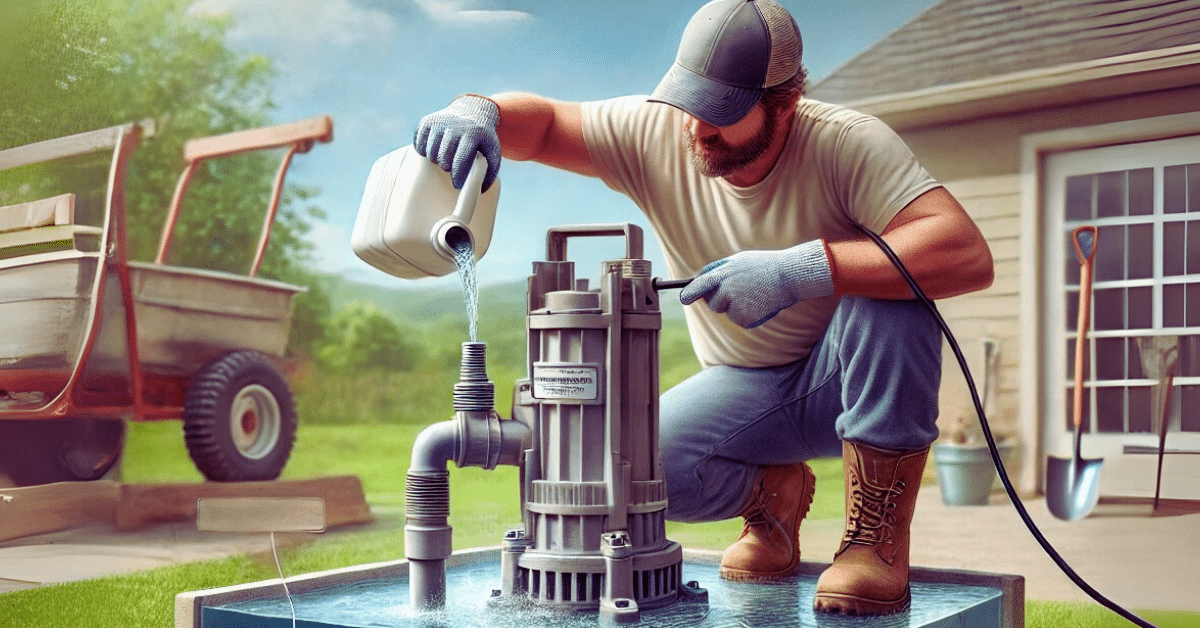
Getting your submersible pump up and running can seem daunting, but it doesn’t have to be. The key to priming your pump is making sure the right steps are followed for it to build up pressure and function correctly. If you’ve faced a loss of water flow, it’s essential to know how to properly prime your pump to restore its operation.
I remember the first time I dealt with a stubborn pump it felt like a never-ending cycle of frustration. Understanding how submersible pumps work can eliminate much of that stress. With the right knowledge, I can guide you through a straightforward priming process that will save you time and effort.
Whether you’re in an emergency or just trying to get your water flowing again, I’ve got practical tips to help you troubleshoot and maintain your pump in top condition. Let’s dive into the steps that will get your submersible pump working effectively and efficiently again.
Understanding Submersible Pumps
Submersible pumps are powerful tools designed for specific tasks, and knowing how they operate is essential for effective use. Understanding their mechanics and parts allows me to troubleshoot and maintain my pump better.
How Does a Submersible Pump Work
A submersible pump operates by pushing water to the surface rather than sucking it up. It is fully submerged in the liquid it is pumping. The motor, which is located at the bottom of the pump, drives an impeller. This impeller spins rapidly, creating a strong force that moves water through the suction pipe and into the discharge lines.
As water enters through the intake valve, it is forced out through the outlet, building up pressure in the system. A pressure gauge is often used to monitor this pressure, making sure the pump works efficiently. The design of submersible pumps allows them to handle high water pressure while maintaining high flow rates.
Components of a Submersible Pump
Several key components work together to make the submersible pump function. First, the motor is usually sealed to protect it from water damage. The impeller is critical, as it helps to move water effectively.
The suction pipe directs water into the pump, while the discharge lines carry it to where it needs to go. Check valves prevent backflow, maintaining water only moves in one direction. The relief valve helps manage pressure, releasing excess if it becomes too high.
Safety guards are also important as they protect the pump from debris that could cause damage. Knowing these components helps me understand how to maintain the pump for reliable operation.
Pre-Priming Steps
Preparing your submersible pump is important to maintain smooth operation. Before I start the priming process, I make sure to inspect the pump and system thoroughly. I also check the water source to confirm it’s adequate for my needs.
Inspecting the Pump and System
First, I examine the pump closely. I look for any visible signs of damage or wear. Check the power supply and make sure that it’s turned off to avoid accidents while working.
Next, I inspect all connections, hoses, and fittings for leaks. Leaky parts can cause prime issues. I also make sure that the discharge pipe isn’t clogged. Remember, a clear pathway allows water to flow freely.
While inspecting, I also pay close attention to the water level in the tank or source. If it’s too low, the pump won’t have enough water to prime. I want to avoid any unnecessary problems, so I am taking my time to do this.
Maintaining Water Source Adequacy
Next, I focus on the water source. Is it close enough to the pump? If it’s too far away, the pump could struggle with suction lift. I find that moving the pump closer makes a big difference.
I also check if the water source is reliable. I want to maintain fresh water is available whenever I need it. Sometimes, using an independent water source can help.
Additionally, I make sure the plumbing fixtures are functioning properly. If there’s an issue in the plumbing, it might affect how the pump works. These checks not only save time but also prevent headaches later on.
The Priming Process
Priming a submersible pump is important to make sure it works effectively. Getting rid of trapped air and maintaining a solid water connection will help achieve the best performance. Here’s how to do it properly.
Step by Step Guide to Priming Your Pump
- Turn Off the Power: Before anything else, safety comes first. Make sure the pump is unplugged.
- Fill the Pump with Water: Locate the pump’s priming port. Pour water directly into the port until the pump is full. This helps create the necessary suction for the pump to operate.
- Check the Suction Line: Look for any air leaks or blockages in the suction line. Proper suction lift is essential for the pump to draw water effectively.
- Inspect the Foot Valve: Make sure the foot valve is functioning correctly. A faulty valve can lead to backflow or air being trapped, preventing proper priming.
- Restore Power and Test: Plug the pump back in and turn it on. Watch for any unusual noises. If it runs well, you’re good to go.
Troubleshooting Priming Issues
If you’re having trouble priming your pump, there are several things to check.
- Trapped Air: If air is trapped in the system, it can stop your pump from working. Make sure all connections are tight, and try pouring a bit more water into the pump.
- Air Leaks: Inspect all hoses and connections. Even small leaks can cause major issues when priming.
- Check for Blockages: Look for any debris or buildup in your suction line. It can impede the flow of water.
- Self-Priming Pumps: If you have a self-priming model, make sure it’s full of water. Sometimes, they require an initial manual fill.
Operational Checks and Maintenance
Keeping a submersible pump in good working order requires attention to both pressure and flow. I’ll guide you through the important checks and maintenance steps to make sure your pump operates efficiently.
Maintaining Correct Pressure and Flow
First, I make sure the pump has the correct water pressure. This is vital for its performance. A pressure gauge can help me measure the water pressure in the system. It’s best to check the readings regularly to make sure they are within the recommended range.
Next, I check the pressure switch. This device controls when the pump turns on and off. If it’s not functioning properly, water flow can be affected. I also inspect relief valves to prevent over-pressurization, which can damage the pump.
By maintaining the correct pressure and flow, I help keep my pump primed and ready to deliver clean water when I need it.
Regular Maintenance Recommendations
I follow a solid maintenance routine to keep my submersible pump working well. I start by cleaning the pump regularly. Any debris or buildup can hinder proper operation. Clear water is essential to avoid clogs in the motor and impeller.
I also check for leaks in the discharge pipe. All connections must be secure to maintain optimal water flow. During my inspections, I look for any signs of wear and tear. If I notice any issues, I take action to correct them.
By investing time in regular maintenance, I can extend the lifespan of my pump and make sure it’s ready for whatever I need it for.
Beyond Priming: System Enhancements
Taking your submersible pump’s performance a step further involves looking beyond basic priming. It’s important to consider how your entire system works together. Integrating advancements can lead to better efficiency and safety.
Irrigation System Adaptations
When working with irrigation systems, I pay close attention to the layout and design. Proper planning makes sure water flows smoothly to each section without delays. One upgrade I recommend is installing filters. They catch debris that could cause clogging, protecting both the pump and the irrigation heads.
Using drainage systems to control excess water helps prevent flooding. Make sure your system includes proper pressure regulation to avoid too much strain on the pump. I often suggest installing pressure gauges, so I can monitor the system’s performance. This guarantees that everything runs well and efficiently.
Upgrades for Water Efficiency and Safety
Enhancing water efficiency in your system doesn’t just save resources; it also boosts safety. I find it beneficial to integrate safety guards that can prevent dangerous incidents. Installing these guards helps keep unintended objects from entering the pump.
Adding automatic shut-off valves can provide an extra layer of safety. If the water supply gets compromised, these valves instantly stop the flow, protecting the system from damage. Investing in a system monitor also keeps me informed of any potential issues, allowing me to address them before they escalate.
Emergency Scenarios
I know that dealing with a submersible pump can be challenging, especially in emergencies. It’s important to understand how to handle pump failure and manage a flooded basement effectively. Here’s how to tackle these situations head-on.
Handling Pump Failure
When my pump fails, the first thing I check is for a dry run. This happens when the pump runs without water, leading to overheating and damage. If I suspect this is the issue, I immediately turn off the pump to prevent any further harm.
Next, I inspect the power supply. Sometimes the issue is as simple as a tripped breaker or a blown fuse. If that’s not the case, I clear any debris around the suction line. Clogs can stop the pump from pulling in water efficiently.
If the pump isn’t working after these checks, I might need to prime it. This involves removing any trapped air to maintain a proper flow of water. If I can’t fix it myself, I definitely call in a professional who knows water pumps inside and out.
Dealing with a Flooded Basement
A flooded basement is a nightmare, but staying calm is key. First, I make sure the power is off in the area to avoid any electrical hazards. Then, I assess the situation to understand how deep the water is and where it’s coming from.
If I notice the water level rising fast, I grab my submersible pump. I set it up in the deepest part of the water. I want to make sure the suction line is clear of any debris. This will allow the water to be pumped out quickly and efficiently.
It’s important to clear excess water as soon as possible. Standing water can lead to mould, which can be detrimental to my home. I monitor the area while the pump runs, ready to make adjustments as needed. If my pump doesn’t get the job done, I don’t hesitate to call for help.
Practical Tips
When working to prime my submersible pump, there are a few practical strategies that can make this process smoother. Focusing on the right tools and sources can help tackle issues like insufficient water or low water pressure effectively.
Garden Hose Shortcuts
Using a garden hose can be a simple and efficient way to add water to my pump’s system. If I have a regular well pump or a pool pump, I can connect a hose directly to it. This allows me to fill the pump quickly and get it running with minimal fuss.
I make sure to keep the hose straight without kinks, as bends can create air pockets that disrupt the flow. If I experience low water pressure, I check the hose diameter. A larger diameter hose helps maintain better pressure.
Sometimes I find using a hose with a built-in nozzle helps control the flow, making sure I don’t overfill. Once it’s working, I monitor closely to make sure the pump is primed correctly and pumping efficiently.
Alternative Water Sources
If I don’t have enough water from the usual sources, I need to think outside the box. Rain barrels, for example, can be a great alternative. They collect rainwater, providing a free and eco-friendly supply.
Another option is to use water from a nearby pool, especially if the water level is high. Just be cautious about any chemicals in the pool and use clean water only. When using alternative sources, I always make sure the water is clean to avoid damaging my pump.
For emergency situations, I could even consider filling a large bucket to use manually if needed. Whatever the source, the key is to keep my options open and adapt, making sure my pump gets the water it needs to operate effectively.
Concluding Remarks
Getting your submersible pump running again doesn’t have to be a hassle. I’ve been in situations where a simple fix worked wonders.
First, make sure you restore power to the pump. Check the power source. If it’s disconnected, reconnect it to see if the pump starts working again.
Next, if the pump doesn’t start, look for air pockets. These can block water flow. To fix this, check the discharge hose for any kinks or clogs. If there’s a blockage, clear it out.
If you’re using a sump pump, make sure it’s fully submerged to avoid drawing in air. Sometimes, the quick fix is just getting the pump deeper into the water.
Remember, regular maintenance is key. Clean and inspect your pump often. A well-maintained pump saves you headaches.
Stay persistent. If it still doesn’t work after all this, consider professional help. Sometimes, a little expert advice goes a long way.
Frequently Asked Questions
When dealing with a submersible pump, I often encounter specific issues that can be tricky. Here are some questions I’ve heard time and again and the answers to get you back on track.
Why isn’t my submersible pump drawing water, and how can I troubleshoot it?
If your submersible pump isn’t drawing water, first check the power supply. Make sure the pump is plugged in and the circuit breaker isn’t tripped. Next, inspect the intake screen for blockages. A clogged screen can prevent water from entering the pump.
What steps do I need to take to re-prime my well pump following a loss of pressure?
To re-prime your well pump, start by turning off the power. Locate the priming plug and remove it. Fill the pump and suction pipe with water before replacing the plug. Turn the power back on and monitor for proper water flow.
Can you walk me through the process to prime a deep well pump effectively?
Priming a deep well pump involves filling the pump with water. First, turn off the power. Remove the priming plug, then pour water into the pump until it’s full. Replace the plug tightly, turn the pump on, and watch for water flow. If it doesn’t work, repeat the process.
What’s the proper way to get a water pump working after it’s taken from a lake source?
When pulling a pump from a lake, inspect it for debris and clean the intake screen. Make sure the pump is dry before plugging it in. Fill the pump with water through the priming plug and turn it on. Check for consistent water flow after starting it.
Is there a trick to priming a submersible pump without any hassle?
A simple trick is to use a hose to fill the pump from the discharge port instead of the priming plug. This can save time and make sure the pump is filled properly. Remember to open the discharge valve before starting the pump to avoid air lock.
After a power disruption, how do I make sure my submersible pump gets back to its prime state?
After a power loss, check the pump to make sure it hasn’t lost its prime. If it has, follow the steps to re-prime it.
Turn off the pump, remove the priming plug, and add water. Replace the plug and turn the power back on to restore operation.

Thomas Peterson
Owner WSA
About the Author
Latest Posts
Born and raised in Nanaimo on Vancouver Island. Thomas gained a deep appreciation for the importance of clean, reliable water. With over 15 years of experience working with water treatment systems, Thomas has become a trusted expert in helping local homeowners and businesses resolve the unique challenges of well water across the Island.
From hard water and iron buildup to low water pressure and sediment issues, Thomas takes a practical, no-nonsense approach to solving water problems. Whether it’s installing filtration systems or troubleshooting well pump issues, Thomas focuses on long-lasting solutions that help people get the clean, safe water they need.
As a proud local professional, Thomas is dedicated to serving his community with honesty, quality service, and expert advice tailored to the water conditions of Vancouver Island.
Areas of Expertise: Well Service, Well Pumps, Water Filtration Systems
- Clack Water Softener Alternatives: Top Systems for Hard Water Treatment in 2025 November 8, 2025
- Best Well Water Test Kit Options for Safe Home Water Testing in 2025 November 5, 2025
- Best Well Water TDS Meter for Accurate Home Testing in 2025 November 1, 2025
- Best Well Water Sediment Filter Systems for Clean Home Water in 2025 October 29, 2025
- Best Well Water Saltless Water Softener Systems for 2025 October 26, 2025
Facebook Twitter LinkedIn Instagram Reddit
Fact Checked & Editorial Guidelines
Our Fact Checking Process
We prioritize accuracy and integrity in our content. Here’s how we maintain high standards:
- Expert Review: All articles are reviewed by subject matter experts.
- Source Validation: Information is backed by credible, up-to-date sources.
- Transparency: We clearly cite references and disclose potential conflicts.
Your trust is important. Learn more about our fact checking process and editorial policy.
Reviewed by: Subject Matter Experts
Our Review Board
Our content is carefully reviewed by experienced professionals for accuracy and relevance.
- Qualified Experts: Each article is assessed by specialists with field-specific knowledge.
- Up-to-date Insights: We incorporate the latest research, trends, and standards.
- Commitment to Quality: Reviewers check clarity, correctness, and completeness.
Look for the expert-reviewed label to read content you can trust.