
How to Replace Well Pump Control Box: A Guide for Homeowners
How to replace well pump control box: replacing a well pump control box might seem daunting, but many homeowners can handle it with a bit of guidance.

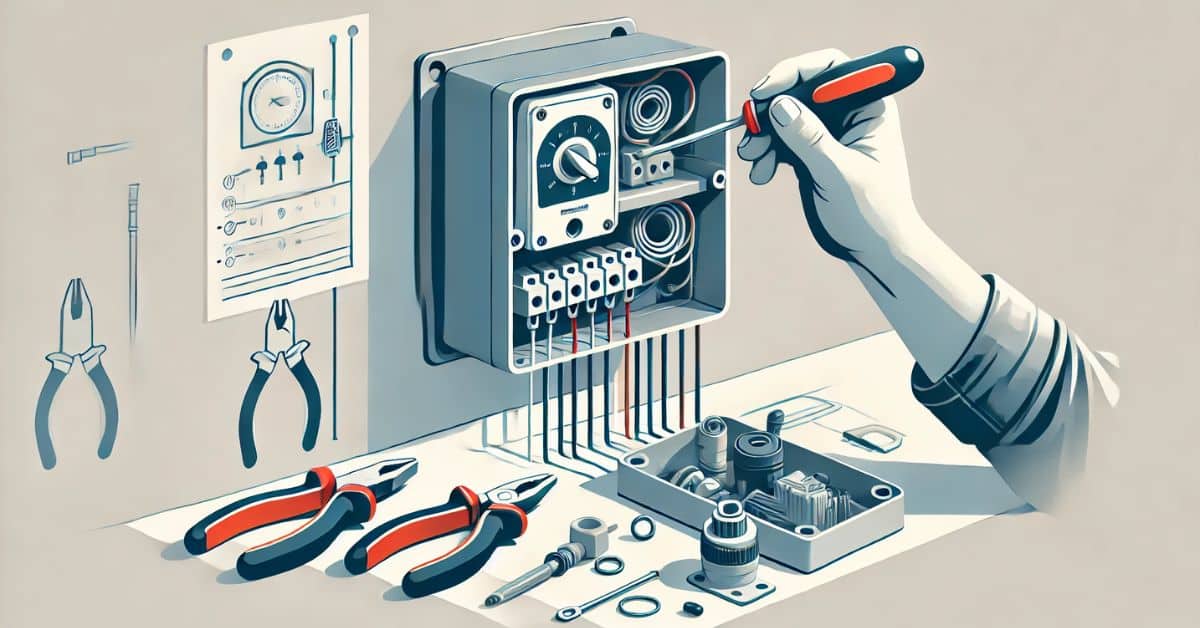
Replacing a well pump control box might seem daunting, but I can assure you, it’s a task that many homeowners can handle with a bit of guidance. This blog post will help you understand the steps involved in replacing your well pump control box safely and effectively. I’ve been in your shoes, dealing with well issues and the frustration that can come along with them, but I’m here to simplify the process and make it manageable.
I’ll take you through everything from diagnosing the problems with your current control box to selecting the right replacement. Preparation is key to avoid unnecessary headaches. With the right tools and some basic knowledge, you’ll be well-equipped to tackle this project on your own.
By the end of this post, you’ll not only know how to replace your control box but also how to keep it working well in the future. Let’s get started on restoring that water flow so you can focus on what really matters!
Understanding the Role of a Well Pump Control Box
The control box is an important part of the well pump system. It manages the operation of the pump and helps make sure everything runs well. Knowing the key components and how the control box functions can make a big difference for maintenance or replacement.
Identifying Key Components
A well pump control box includes several critical parts. These components work together to manage the pump’s performance. Here are some key parts you should know:
- Capacitor: This helps start the motor by providing an initial boost of energy. It’s important for getting the pump moving.
- Pressure Switch: This component detects water pressure in the system. It signals the control box to turn the pump on or off as needed.
- Pump Controller: This directs the motor in the submersible pump. It makes sure the pump operates efficiently.
Understanding these components can help you troubleshoot or replace the control box when necessary.
Function of the Control Box in a Water System
The control box serves as the brain of the water system. It regulates when the well pump operates and makes sure it maintains the right pressure in the system.
The pressure switch detects the demand for water and tells the control box to either start or stop the pump. If water demand is high, the control box will activate the pump, often a Franklin or Red Jacket, to provide the needed flow.
When the pump is running, the capacitor supports the motor’s operation, allowing it to function smoothly. If the control box or any component fails, it can lead to issues like pump burnout or inconsistent water pressure. Recognizing these functions is key to effective well maintenance.
Safety Precautions and Preparations
Before I dive into replacing a well pump control box, I make sure to take the necessary safety precautions. Proper preparations not only protect me but also make sure that the job goes smoothly. Here’s what I do.
Shutting Off the Power
First things first—safety is key. I always locate the circuit breaker that controls the well pump and turn it off. This step prevents any accidental starts while I’m working. I take a moment to double-check the power is off by using a voltage tester on the wires.
It’s also smart to put up a warning sign near the breaker. This way, no one accidentally flips the switch back on while I’m working. I wear my safety gear, including gloves and safety goggles, to protect myself from any unexpected issues.
Gathering the Necessary Tools and Equipment
Next, I gather the tools and equipment I’ll need. A few essential items make the job much easier. I keep a pair of wire cutters, a screwdriver set, and a wrench handy. A multimeter is also vital for testing electrical connections later on.
In addition to tools, I make sure I have replacement parts, like the new control box, on hand. Having everything ready means I won’t have to stop mid-job to search for something. Staying organized helps me to work efficiently and safely.
Diagnosing Issues with Your Current Control Box
When dealing with a well pump control box, it’s important to recognize signs of trouble early. Common issues can often lead to no water flow, so understanding how to spot them can save time and money. Let’s break down some troubleshooting methods that help diagnose these problems effectively.
Recognizing Common Signs of Malfunction
A well pump control box might show several signs that something is wrong. If you notice no water coming from your taps, that’s the first red flag. Another sign could be unusual noises, like humming or clicking, which can indicate a malfunctioning relay or motor.
Also, look for any physical damage to the control box. Cracks or burn marks can tell you it’s time for a closer inspection. If the pump cycles on and off frequently, that could be a sign of problems with the pressure switch or electrical connections. Keeping an eye out for these signals helps me pinpoint what to check next and makes sure my water supply remains steady.
Troubleshooting Electrical Problems
Electrical issues can be tricky, but I’ve learned to tackle them methodically. First, make sure the control box is getting power. A quick check of the circuit breaker can rule out simple problems. If the breaker is fine, inspect the wires connected to the box. Look for frayed or damaged wires that could be causing a short.
Next, test the capacitors inside the control box. A faulty capacitor can prevent the pump from starting, leading to no water. If you have a multimeter, checking these components can help identify issues. If everything looks good but the pump still isn’t working, it might be time to consider a replacement. Taking these steps can save both frustration and money.
Selecting the Right Replacement Control Box
Choosing the right replacement control box is important for the smooth operation of your well pump. I’ve learned that matching the control box to the specific pump requirements and investing in a quality brand can save you time and headaches down the line.
Matching the Control Box to Your Pump Specifications
When selecting a control box, the first step is to match it to your pump’s specifications. This includes checking the horsepower (HP) rating, voltage, and phase type (single-phase or three-phase). For instance, if you have a Franklin submersible pump, you’ll want a compatible Franklin control box.
Next, pay attention to load requirements. Your control box should handle the motor’s starting and running amps. This is essential to avoid overheating and premature failure. Take note of any features your existing box has, like built-in protection for overloads.
Don’t forget to consult the installation manual for specific details. A mismatch can lead to serious issues, so I cannot stress enough how important it is to get this right.
Considering Brand and Quality for Longevity
I’ve seen that the brand you choose can make a world of difference. Opting for well-known brands like Franklin or Red Jacket often means you’re getting a product built to last. These brands are known for their reliability and performance, which is paramount for a control box.
Look for warranties or guarantees that come with the control box. This can provide confidence and suggests the manufacturer believes in their product’s durability.
Quality construction materials are another factor to consider. A control box made with water-resistant components can stand up to tough conditions. This protects your investment and makes sure your well runs efficiently for years to come. I always recommend researching customer reviews to get an idea of real-world performance before making a purchase.
Removing the Old Control Box
Taking off the old control box involves careful steps. I’ll guide you through detaching the electrical connections and the physical removal of the control box.
Detaching Electrical Connections
Before I touch anything, safety comes first. I always switch off the circuit breaker for the well pump. It’s an important step. Next, I open the control box cover to access the wiring.
I carefully note where each wire connects, sometimes taking photos to remember later. Then, I loosen the screws holding the wires in place. I gently pull each wire free, being cautious to avoid damaging any connections.
If I spot any frayed wires, I know it’s time to replace them before attaching my new control box. With the connections detached, the box will be ready for removal.
Physical Removal of the Control Box
Now that the electrical connections are off, it’s time to remove the control box itself. I check for any screws or bolts securing the box to the wall or base. Using a trusty screwdriver, I take them out, keeping them together so I don’t lose any.
Once all the fasteners are removed, I gently wiggle the control box to break any potential seal. With a firm but careful grip, I pull it away from the wall or mounting surface.
Before I dispose of the old box, I inspect it for any parts that might still be usable, especially if I’m replacing the pump. Finally, I’ll clean the area where the old control box was to prepare for the installation of the new one.
Installing the New Control Box
For installing your new control box, proper securing and reconnecting of the wiring is important. This makes sure that your submersible pump operates efficiently and safely. The key steps in each part of the installation process are below.
Securing the Control Box
First, I make sure that the control box is in the same position as the old one. It’s important to use the same mounting points to avoid unnecessary drilling. I’ll align it carefully and use screws to securely fasten it in place.
Next, I check the condition of the grommets. These help protect the wiring from damage. If they seem worn, I replace them to prevent water ingress. After that, I secure the lid of the control box tightly so no moisture can get inside.
Reconnecting Wiring and Electrical Components
Before reconnecting, I take a moment to label all wires. This avoids mix-ups later. I start with the motor wires, connecting them according to their correct terminals: usually marked L1, L2, and Load.
Next, I carefully reconnect the pressure switch to make sure the pump activates correctly when the pressure falls. Don’t forget to reattach the capacitor if your model needs it.
Once everything is connected, I double-check my work and make sure nothing is loose. This step is vital for safety and performance. After that, I close the control box lid and make sure it’s securely fastened.
Taking the time to get these details right will help my well pump run well and efficiently.
Post-Installation Checks and System Restart
After replacing the well pump control box, it’s important to make sure everything is functioning properly. I recommend going through a couple of essential checks before fully restarting the system.
Verifying Functionality and Pressure Settings
First, I check that the control box is receiving power by looking at the circuit breaker and making sure it hasn’t tripped. If it has, I simply reset it.
Next, I use a multimeter to test the voltage at the incoming power wires. This step helps me verify that the control box is working correctly.
I then check the pressure tank. The pressure settings should be appropriate for my system, so I make sure the tank is set between 30-50 psi. If I find any discrepancies, I adjust the settings according to the manufacturer’s recommendations.
Having a functioning pressure tank is essential for performance. If there are still issues, I dig deeper into troubleshooting. It could be a sign of a problem with the pump or even a blockage in the system.
Restarting the Water System and Testing Flow
Now it’s time to restart the water system. I flip the switch on the control box to the “on” position and then listen for any strange noises from the pump. Anything out of the ordinary can signal an issue.
Once the system is running, I check the water flow at a nearby faucet. If water flows smoothly, that’s a good sign. If I don’t have any water running or it’s weak, I may need to troubleshoot further.
I monitor the system for a few minutes to make sure it holds pressure. I pay attention to both the pressure gauge and any sounds coming from the pressure tank. If everything checks out, I can feel confident that the job is complete and my water supply is working well again.
Maintenance Tips for Well Pump Control Boxes
Taking care of your well pump control box is essential for its longevity and reliable operation. Regular maintenance can prevent costly repairs and keep your water flowing. Here are some focused tips to help you get the most out of your control box.
Regular Inspection and Cleaning
I make it a habit to check my well pump control box every few months. During these inspections, I look for any signs of dirt, dust, or moisture that might accumulate.
Here’s a quick checklist:
- Visual Inspection: Look for cracks, rust, or loose wires.
- Dust Removal: Use a soft cloth to wipe the exterior and keep the vents clear.
- Moisture Check: Make sure there is no water ingress, which can harm the electrical components.
Cleaning the area around the control box is just as important. Keeping it dry and free from debris can prevent many issues. If you see anything unusual, addressing it promptly can save time and money later on.
Identifying Wear and Preventative Measures
Knowing what to watch for can help me catch problems before they escalate. I keep an eye on the common wear indicators, such as:
- Frayed Wires: Check for any damage that could cause a short circuit.
- Heat Damage: If the control box feels unusually warm, it might indicate an internal issue.
I also keep spare parts on hand, like fuses or connectors. This way, when I notice a minor issue, I can fix it right away. Scheduling annual professional inspections is another great way to make sure everything remains in top shape.
Regular attention to these maintenance aspects can greatly extend the life of my well pump control box.
Frequently Asked Questions
For replacing a well pump control box, several common queries arise. Below, I’ll address key issues regarding signs of failure, troubleshooting steps, and how to carry out the replacement safely and effectively.
What are the signs that a well pump control box might need replacement?
There are a few clear indicators that a control box may need replacement. First, if the pump doesn’t run despite having power, it could be a sign of a failure. Also, frequent tripping of the breaker is a red flag, along with any visible damage, such as burned wires or components.
What’s involved in diagnosing issues with a well pump control box?
Diagnosing issues starts with checking the power supply to the control box. Next, I look for any signs of physical damage, such as cracks or burnt areas. Testing the connections and components, like capacitors, is also essential to determine if everything is functioning correctly.
Can you detail the steps for safely replacing a well pump control box?
To replace a well pump control box safely, first, I always turn off the power supply. Then, I remove the old control box and disconnect the wires carefully, noting their arrangement for reinstallation. Next, I connect the new control box, making sure all connections are tight, and finally restore power to test the system.
What should I check for when a well pump control box keeps tripping the breaker?
If the control box keeps tripping the breaker, I check for short circuits in the wiring first. It’s also important to look for moisture inside the box, which can cause problems. Lastly, I maintain the pump isn’t overloaded or jammed, as these can create excessive draw on the system.
How do you match a new control box with an existing well pump system?
To match a new control box, I start by checking the specifications of the existing pump, including voltage and horsepower. Then, I select a control box that matches those specs. Keeping brand compatibility in mind is also essential to make sure everything works smoothly.
Are there any special considerations for maintaining a well pump control box in colder climates?
In colder climates, I focus on insulation and protection from freezing. It’s vital to keep the control box warm and dry. I also recommend regular checks for any signs of wear or damage due to extreme temperatures, as this can prevent bigger issues down the line.

Thomas Peterson
Owner WSA
About the Author
Latest Posts
Born and raised in Nanaimo on Vancouver Island. Thomas gained a deep appreciation for the importance of clean, reliable water. With over 15 years of experience working with water treatment systems, Thomas has become a trusted expert in helping local homeowners and businesses resolve the unique challenges of well water across the Island.
From hard water and iron buildup to low water pressure and sediment issues, Thomas takes a practical, no-nonsense approach to solving water problems. Whether it’s installing filtration systems or troubleshooting well pump issues, Thomas focuses on long-lasting solutions that help people get the clean, safe water they need.
As a proud local professional, Thomas is dedicated to serving his community with honesty, quality service, and expert advice tailored to the water conditions of Vancouver Island.
Areas of Expertise: Well Service, Well Pumps, Water Filtration Systems
- Clack Water Softener Alternatives: Top Systems for Hard Water Treatment in 2025 November 8, 2025
- Best Well Water Test Kit Options for Safe Home Water Testing in 2025 November 5, 2025
- Best Well Water TDS Meter for Accurate Home Testing in 2025 November 1, 2025
- Best Well Water Sediment Filter Systems for Clean Home Water in 2025 October 29, 2025
- Best Well Water Saltless Water Softener Systems for 2025 October 26, 2025
Facebook Twitter LinkedIn Instagram Reddit
Fact Checked & Editorial Guidelines
Our Fact Checking Process
We prioritize accuracy and integrity in our content. Here’s how we maintain high standards:
- Expert Review: All articles are reviewed by subject matter experts.
- Source Validation: Information is backed by credible, up-to-date sources.
- Transparency: We clearly cite references and disclose potential conflicts.
Your trust is important. Learn more about our fact checking process and editorial policy.
Reviewed by: Subject Matter Experts
Our Review Board
Our content is carefully reviewed by experienced professionals for accuracy and relevance.
- Qualified Experts: Each article is assessed by specialists with field-specific knowledge.
- Up-to-date Insights: We incorporate the latest research, trends, and standards.
- Commitment to Quality: Reviewers check clarity, correctness, and completeness.
Look for the expert-reviewed label to read content you can trust.