
How to Test a 3-Wire Well Pump Motor? Step-by-Step Guide
How to test a 3-wire well pump motor? Testing a 3-wire well pump motor can seem daunting, but it’s essential for ensuring your water supply runs smoothly.

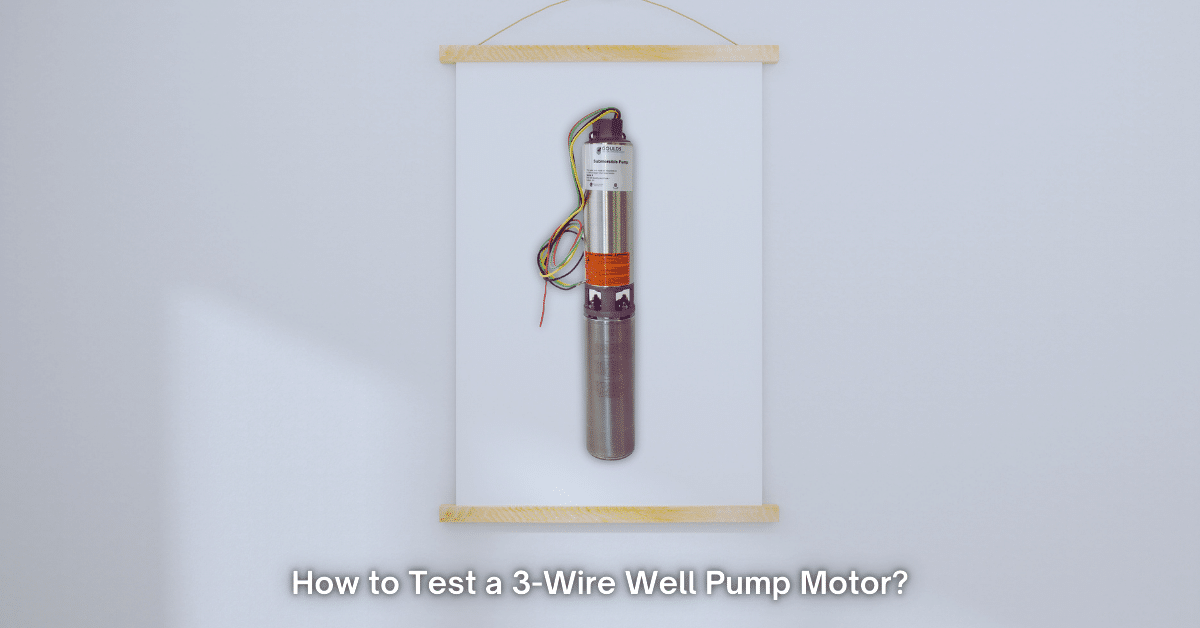
Testing a 3-wire well pump motor can seem daunting, but it’s essential for making sure your water supply runs well. I’ll show you how to perform simple tests to identify issues and keep your well pump in top shape. Whether you’re hearing strange noises or noticing drops in water pressure, knowing how to test your pump saves you time and potentially huge repair bills.
Before diving into testing, it’s important to prepare and inspect your pump and its components. The right preparations can make a huge difference in your diagnostic process. By following the steps outlined, you can assess your motor’s performance and troubleshoot common problems efficiently, making sure your system is reliable and safe.
Understanding Your 3-Wire Well Pump
A 3-wire well pump system consists of critical components that work together to deliver water efficiently. Understanding how these parts function and knowing the differences between pump types can maintain proper maintenance. It’s also important to follow safety precautions while working with this equipment.
Components and Operation
A 3-wire submersible well pump typically includes three wires: two for power and one for the control box. These pumps are designed to operate at various horsepower ratings, depending on your water supply needs.
The power supply connects the pump to the home’s electrical system. It powers the motor that drives the pump. The control box manages the on-off function and protects the motor from overheating. Its role is vital for efficient and reliable operation.
To operate the pump, the control box sends electricity to the motor based on the water demand. When water levels drop, the box activates the pump to restore supply. This seamless operation is what makes the 3-wire system efficient and reliable.
Differences Between 3-Wire and 2-Wire Pumps
While both 3-wire and 2-wire pumps serve the same purpose, their setups are different. A 2-wire pump includes only two wires for both power and control, which can make installation simpler. However, it lacks a separate control box, putting extra load on the pump motor.
In contrast, the 3-wire system’s dedicated control box allows for better motor protection and operational efficiency. It also enables more straightforward troubleshooting if issues arise. By separating the control mechanism from the pump, I can perform repairs without pulling the entire unit.
Safety Precautions
Before handling a 3-wire well pump, I always maintain my safety first. Disconnect the power supply to avoid electric shocks. It’s also wise to wear protective gear, such as gloves and goggles when working near electrical systems and water.
I make sure to inspect the control box for any signs of wear or damage, as this can lead to serious issues. Checking for frayed wires is essential to prevent electrical shorts. Finally, if I’m unsure about anything, I consult a professional. It’s better to take extra precautions and make sure everything is working correctly.
Pre-Test Preparations
Before diving into the testing process of a 3-wire well pump motor, it’s essential to prepare adequately. This preparation makes sure I have all the necessary tools and understand the setup before starting. Let’s break down what I need to gather and know to get things rolling smoothly.
Gathering the Necessary Tools
To get started, I need a few key tools. First, I grab a multimeter or an ohmmeter to measure voltage and check if the electrical connections are sound. A pair of insulated gloves is important for safety while handling electrical components.
I also keep a flashlight nearby for better visibility, especially in cramped or dark spaces. A screwdriver set may be handy for accessing the pump housing as well. Having these tools ready not only saves time but also makes sure I’m prepared for any surprise issues that might pop up.
Accessing the Pump Motor
Next, I have to access the pump motor itself. This usually means locating it within the well casing. I begin by turning off the power to eliminate any risk of electrical shock. It’s important to make sure that the electrical control box is also turned off.
Once it’s safe, I remove any covers or panels to expose the wiring connections. I focus on being gentle to avoid damaging any components while accessing the motor. If needed, I double-check the owner’s manual for specific guidance on disassembling panels without harming the device.
Understanding the Wiring Diagram
Having a good grasp of the wiring diagram is critical. First, I locate the diagram either in the manual or online. This diagram helps me visualize how the wires connect and makes sure I don’t make any mistakes during testing.
The diagram typically shows three wires: one for power, one for the ground, and another for the motor start. I pay close attention to the colors and the functions of each wire to avoid confusion. Understanding this setup helps prevent mistakes and keeps the testing process smooth. Knowing how everything connects gives me confidence before plugging in my multimeter or ohmmeter.
Inspection Before Testing
Before I start testing the 3-wire well pump motor, it’s important to inspect the system carefully. This prevents any accidents and helps me identify existing issues. Here are the key areas I focus on.
Visual Inspection for Any Obvious Signs of Damage
First, I take a good look at the entire setup. I check for any visible wear or damage that can affect performance. Cracks in the pressure tank or frayed wires can cause major problems down the line. I also inspect the connections around the pressure switch for any signs of corrosion or loose fittings.
Next, I look at the submersible well pump itself. If I see moisture around the electrical connections, that’s a red flag. Water can lead to short circuits or even pump failure, so I make note of any issues.
Lastly, I assess the mounting. If the pump or tank is unstable, it may cause vibrations and lead to further damage.
Verifying Power Is Off for Safety
Safety comes first. Before I do any work, I always make sure that the power is off. I go to the circuit breaker and turn off the switch that controls the well pump. It’s not enough just to turn it off; I double-check with a voltage tester.
After confirming that there’s no voltage, I make sure the area is safe by removing any tools or objects that could cause hazards. This helps prevent accidents when I start testing later.
Being cautious allows me to troubleshoot without the worry of electric shock. It’s a simple step but one that’s vital for my safety.
Checking the Pressure Switch and Tank
The pressure switch and pressure tank play a vital role in the system’s operation. I start by inspecting the pressure switch. I check for any signs of wear, rust, or dirt that can interfere with its function.
Next, I examine the pressure tank for the air charge. A properly charged tank optimizes pump performance and prevents cycling issues. I usually tap the tank to listen for a hollow sound, which indicates the air chamber is correctly pressurized.
If the tank feels waterlogged, it’s a sign that I may need to adjust or replace the air bladder. Making sure these components are in good shape sets the stage for effective testing of the well pump motor.
Testing Electrical Components
Testing the electrical components of a 3-wire well pump motor is essential to see if everything is functioning as it should. I’ll cover how to measure insulation resistance, check the start capacitor, and test for continuity and wire resistance. Each of these steps will help you identify problems that could affect performance.
Measuring Insulation Resistance
To begin, I use a digital multimeter to measure insulation resistance. This test checks if the insulation around the wires is intact. First, make sure that the power is off. Then, set the multimeter to the resistance setting, typically indicated in ohms (Ω).
I connect one lead to the wire and the other lead to the ground. A good reading should be in the megohms range (at least 1 MΩ). If the reading is low or shows a short circuit, I know there’s a problem. This could mean the insulation is damaged, which can lead to electrical failure.
Checking the Start Capacitor
Next, I check the start capacitor, which is important for the motor’s operation. A faulty capacitor can prevent the pump from starting. First, I locate the capacitor, usually near the motor.
I discharge the capacitor before testing it to avoid shock. Then, I set my multimeter to the capacitance setting. I connect the multimeter leads to the terminals on the capacitor. A reading outside the manufacturer’s range indicates a bad capacitor. If the reading is inconsistent, it’s time to replace it to maintain smooth operation.
Testing for Continuity and Wire Resistance
Lastly, I perform a continuity test to check the wires. This step makes sure there are no breaks in the circuit. I keep the power off and set my multimeter to continuity mode. I touch one lead to one end of the wire and the other lead to the opposite end.
If the multimeter beeps, there’s continuity. If not, I have a break somewhere. Next, I check the wire resistance by switching the multimeter to the ohm setting. Ideally, the resistance should be low. High resistance indicates a problem, and I may need to replace the wire.
These tests are important for keeping a well pump working well and efficiently.
Assessing Motor Performance
When testing a 3-wire well pump motor, assessing its performance is important. Monitoring the current draw, evaluating pressure gauge readings, and maintaining consistent water pressure are key steps to make sure the motor is running efficiently.
Monitoring Current Draw
To see if the motor is performing well, I start by checking the current draw. This tells me how much electrical power the motor is using while it’s running.
I use an amp clamp meter to measure the current. This device goes around one of the power wires. With the pump running, I can see the reading on the meter.
If the draw is too high or too low, it can signal a problem. Too much current might mean increased wear or a blockage. Conversely, a lower current could mean the motor isn’t working hard enough, which might indicate issues.
Evaluating Pressure Gauge Readings
Next, I look at the pressure gauge. It shows how much water pressure the pump is producing. I make sure the readings align with the pump’s specifications.
A properly functioning pump should maintain pressure within the recommended range. If the gauge shows fluctuations, this is a red flag. It could indicate leaks in the system or problems with the pump itself.
If I see a drop in pressure when using multiple outlets, that may signal reduced performance or a failing motor. Regularly checking the gauge helps keep the system in good shape and highlights potential issues early.
Maintaining Consistent Water Pressure
Consistent water pressure is where many pump troubles show up. I check that water flow remains steady during usage. If I notice pressure spikes or drops, I investigate further.
A stable pressure indicates the motor is working efficiently. If water pressure wavers, it may hint at issues like internal blockages or worn parts.
In addition, I make sure all connections in the system are tight and not leaking. This can help maintain that consistent pressure while also prolonging the life of the pump. Keeping an eye on these details maintains effective water flow when I need it most.
Troubleshooting Common Issues
When dealing with a 3-wire well pump motor, several common issues can arise. Understanding these problems is key to maintaining an efficient system. I’ll cover low water pressure, short cycling issues, and how to handle a waterlogged pressure tank.
Diagnosing Low Water Pressure Problems
Low water pressure can be frustrating, and there are a few culprits I always check first. Start by examining the pressure switch settings. If the cut-in and cut-out pressures are incorrect, adjust them to the manufacturer’s specifications.
Next, inspect for clogs. Dirt, sediments, or mineral build-up in the pipes can restrict flow. I recommend flushing out the system occasionally. If those steps don’t resolve the issue, assess the pump. It might not be functioning optimally. You can test the pump’s current draw using an amp clamp meter to make sure it’s operating within the right range.
Investigating Short Cycling Causes
Short cycling occurs when the pump turns on and off too frequently. This can lead to damage and inefficiency. One common cause is a faulty pressure switch. If it’s malfunctioning, it could cause the pump to run erratically.
Another issue might be with the pressure tank. If the pre-charge pressure isn’t correctly set, it can cause rapid cycling. I check this by testing the tank’s air pressure using a standard gauge. If the air pressure is too low, it needs to be inflated to the recommended level. Also, maintain the system isn’t leaking anywhere, as that can cause pressure drops.
Dealing With a Waterlogged Pressure Tank
A waterlogged pressure tank can severely impact your system’s performance. The first indication is when the pump runs constantly. To fix this, start by checking the tank’s pre-charge.
To do this, turn off the pump and release any pressure in the system. Use an air pump to adjust the pressure to the correct setting. If the tank is still waterlogged, I recommend draining the tank completely. After draining, if it doesn’t hold air, the bladder might need replacement.
After Testing Procedures
Once I’ve completed testing the 3-wire well pump motor, it’s time to put everything back together and make sure that the system functions correctly. Paying attention to detail during the reassembly and monitoring phase is important for effective operation and a steady water supply.
Reassembling and Restoring Power
The first step is to carefully reassemble the components of the well pump. I make sure to properly align all parts and secure them using the necessary screws and bolts. It’s essential to double-check the integrity of the connections made during testing.
Before restoring power, I inspect the wiring to make sure there are no frayed or damaged wires, which could cause problems later on. Once everything looks good, I turn on the power supply to the pump. After powering it up, I listen for any unusual sounds. A humming noise usually indicates that the motor is working as it should.
Monitoring for Proper Function
After the pump is operational, I monitor its performance closely. I look for steady water flow from the faucet or hose attached to the system. Noticing any irregularities, such as fluctuations in water pressure or strange noises, requires immediate attention.
I also keep an eye on the pump itself. It should not be running too hot or showing signs of strain. Monitoring these factors makes sure that the pump operates within its specifications, providing a reliable water supply. If any issues arise during this phase, I’m ready to troubleshoot and resolve them before they escalate.
Frequently Asked Questions
I often hear questions about testing 3-wire well pump motors, and it’s great to see so much interest in understanding how these systems work. Knowing how to troubleshoot your well pump effectively can save you time and money.
How can you determine if your well pump motor is faulty?
To check if your well pump motor is faulty, listen for unusual noises while the pump is running. If you hear grinding or buzzing sounds, this may indicate a problem. Additionally, monitor the water pressure. If it’s inconsistent, there could be an issue with the motor.
What’s the right way to check a submersible pump using a multimeter?
Using a multimeter is key to checking a submersible pump. First, make sure the power is off. Set the multimeter to the ohmmeter setting. Then, connect the probes to the motor terminals. A reading close to zero shows continuity, while no reading indicates a fault in the motor or wiring.
Can you explain how to test a well pump motor without having to haul it out?
Yes, you can test a well pump motor without removing it. Start by checking the power supply using a multimeter. Then, assess the incoming voltage at the control box. If the voltage is correct but the pump doesn’t operate, it may indicate a motor issue that doesn’t require you to pull it out.
What steps are involved in checking a well pump control box effectively?
To check a well pump control box, first make sure the power is disconnected. Open the control box to inspect for burnt wires or signs of corrosion. Use a multimeter to test the relay and capacitors. Proper readings indicate the control box functions correctly; faulty readings suggest further investigation or replacement.
What should you do if you suspect your well pump is wired incorrectly?
If you suspect incorrect wiring, turn off the power immediately. Then, review the wiring diagram for your pump model. Check all connections and make sure they match the diagram. If you’re unsure, consult a professional to prevent damage or unsafe situations.
Can you inspect the resistance of a 3-wire well pump, and if so, how?
Yes, inspecting resistance is important. Use a multimeter set to measure resistance. With the power off, connect the probes to each motor lead. Check the readings: a low resistance indicates good condition, while a very high or infinite reading suggests a problem with the motor windings or connections.

Thomas Peterson
Owner WSA
About the Author
Latest Posts
Born and raised in Nanaimo on Vancouver Island. Thomas gained a deep appreciation for the importance of clean, reliable water. With over 15 years of experience working with water treatment systems, Thomas has become a trusted expert in helping local homeowners and businesses resolve the unique challenges of well water across the Island.
From hard water and iron buildup to low water pressure and sediment issues, Thomas takes a practical, no-nonsense approach to solving water problems. Whether it’s installing filtration systems or troubleshooting well pump issues, Thomas focuses on long-lasting solutions that help people get the clean, safe water they need.
As a proud local professional, Thomas is dedicated to serving his community with honesty, quality service, and expert advice tailored to the water conditions of Vancouver Island.
Areas of Expertise: Well Service, Well Pumps, Water Filtration Systems
- Clack Water Softener Alternatives: Top Systems for Hard Water Treatment in 2025 November 8, 2025
- Best Well Water Test Kit Options for Safe Home Water Testing in 2025 November 5, 2025
- Best Well Water TDS Meter for Accurate Home Testing in 2025 November 1, 2025
- Best Well Water Sediment Filter Systems for Clean Home Water in 2025 October 29, 2025
- Best Well Water Saltless Water Softener Systems for 2025 October 26, 2025
Facebook Twitter LinkedIn Instagram Reddit
Fact Checked & Editorial Guidelines
Our Fact Checking Process
We prioritize accuracy and integrity in our content. Here’s how we maintain high standards:
- Expert Review: All articles are reviewed by subject matter experts.
- Source Validation: Information is backed by credible, up-to-date sources.
- Transparency: We clearly cite references and disclose potential conflicts.
Your trust is important. Learn more about our fact checking process and editorial policy.
Reviewed by: Subject Matter Experts
Our Review Board
Our content is carefully reviewed by experienced professionals for accuracy and relevance.
- Qualified Experts: Each article is assessed by specialists with field-specific knowledge.
- Up-to-date Insights: We incorporate the latest research, trends, and standards.
- Commitment to Quality: Reviewers check clarity, correctness, and completeness.
Look for the expert-reviewed label to read content you can trust.