
How to Wire a Zoeller Well Pump Control Box? (Explained)
How to wire a Zoeller well pump control box? With the right steps and precautions, you can wire your control box avoiding pitfalls that can lead to repairs.

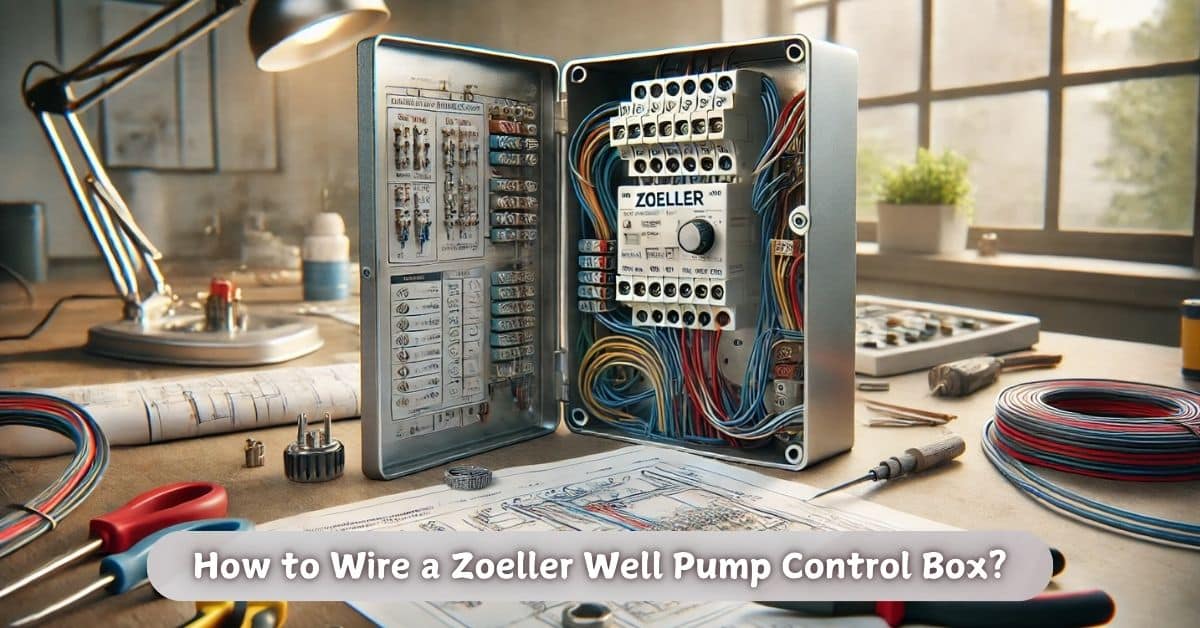
Wiring a Zoeller well pump control box may seem daunting, but it’s essential for making sure your system runs efficiently. With the right steps and precautions, you can wire your control box safely and effectively, avoiding common pitfalls that can lead to costly repairs. Understanding how to properly connect your control box can make a big difference in the performance of your well pump.
Before I dive into the specifics, I want to emphasise the importance of safety. Working with electrical components can be risky, so it’s important to follow proper protocols and guidelines. Knowing how to prepare your workspace and what tools you will need will set you up for success. Once you have a clear plan, wiring the control box will be much more manageable.
This article covers each step of the wiring process, plus troubleshooting tips for common issues. Whether you’re a seasoned DIYer or tackling this for the first time, I’m here to help you navigate the process smoothly and confidently.
Understanding Your Well Pump System
Getting to know your well pump system is important for successful installation and maintenance. This system typically includes several key components that work together to deliver water efficiently.
Components of a Well Pump System
In a well pump system, you’ll find several key parts. Here’s a breakdown:
- Submersible Well Pump: This pump sits underwater in the well. It’s designed to push water up to the surface effectively.
- Control Box: The control box houses electrical components that regulate the pump’s operation. It makes sure that the pump starts and stops as needed.
- Pressure Switch: This switch monitors water pressure in the system. When pressure drops, it signals the control box to turn the pump on.
- Circuits: Proper electrical circuits are necessary for safe and efficient operation. This includes fuses or breakers that protect the system from overload.
- Valves: These are important for managing water flow. They can control the direction or stop water when needed.
Each of these components plays a vital role in making sure your well water system runs well.
Types of Well Pumps
There are various types of well pumps, each suited for different conditions. Here are the main categories:
- Submersible Pumps: Popular for deep wells, these pumps are installed underwater. They can handle high water levels effortlessly.
- Jet Pumps: These work best in shallower wells. A jet pump uses a jet of water to create suction and draw water up.
- Hand Pumps: Still effective, these manual pumps allow for water retrieval without electricity, making them valuable in emergencies.
Choosing the right type depends on the well depth and water demand. Proper selection maintains efficiency and durability, which is important for long-term use.
Safety Considerations Before Wiring
Before diving into wiring a Zoeller well pump control box, it’s important to prioritize safety. Proper precautions protect both you and your equipment. Here are the key safety considerations to follow.
Turning Off the Power
First and foremost, I always make sure the power is completely turned off. This means locating the circuit breaker that feeds the pump. A double pole breaker is often used for such setups.
To be extra cautious, I also like to double-check with a voltage tester. This simple tool confirms there’s no electricity running to the pump before I start working.
Don’t forget to secure the breaker in the “off” position. You can use a lockout/tagout device if you have one, as it prevents accidental re-energizing. Safety first means that I can’t afford any surprises!
Tools and Equipment
Having the right tools and equipment is essential for a safe wiring job. I always prepare by gathering essential tools like wire strippers, pliers, and a screwdriver.
Using insulated tools protects against shocks. I also make sure to wear rubber-soled shoes and avoid working in wet areas. A well-organized workspace keeps everything within reach and reduces hazards.
For wires, don’t overlook the importance of a good ground wire. Properly grounding the pump helps prevent electrical faults.
Remember, quality counts here. Investing in good tools not only makes the job easier but also safer. Prioritize safety gear, including gloves and safety glasses, to protect yourself from any debris or accidental sparks.
Preparing the Zoeller Control Box
Before diving into the wiring process, it’s important to prepare the Zoeller control box properly. I want to make sure everything is in order before I start the installation, as that can save me time and hassle later on.
Unpacking and Inspection
When I first get my Zoeller control box, I take care when unpacking it. I remove all components carefully, making sure nothing gets damaged. It’s vital to check for any signs of damage. I look for cracks in the casing or loose wires. If I notice any issues, I contact the supplier right away.
Next, I gather the necessary tools: wire strippers, screwdrivers, and a multimeter. I need to make sure that I have the right components for my well pump control box. I double-check that all parts are included, like the user manual, control relays, and the wiring diagram, which is essential for a smooth installation.
Mounting the Control Box
Once I’ve inspected everything, I move on to mounting the control box. It should be placed in a location that is dry and easily accessible. I look for a wall or post that is sturdy enough to support it. The ideal height is around chest level.
I begin by marking the drill holes with a pencil. After that, I drill the holes and insert the anchors. When I secure the control box, I make sure it is level and firmly attached. Good mounting is vital, as it reduces the risk of damage and makes wiring more manageable later.
With these steps completed, I am ready to move on to wiring the well pump control box.
Wiring the Zoeller Control Box
Wiring a Zoeller control box is an essential step in making sure your well pump operates smoothly. Getting the connections right is important for safety and efficiency. Let’s dive into the specifics.
Connecting the 3-Wire Pump
To begin wiring the 3-wire pump, gather your materials: the Zoeller control box and the pump connections. Typically, you will have three wires: one for power, one for the motor, and one for the ground.
- Identify the Wires: The power wire is often black, the motor wire is red, and the ground wire is green.
- Follow the Wiring Diagram: Reference the control box wiring diagram that came with your equipment. This will show you the correct connections.
- Make Connections: Connect the pump’s black wire to the control box’s corresponding terminal. Attach the red wire to the appropriate motor terminal. Finally, ground the pump by connecting the green wire to the control box.
Double-check all connections for security. Any loose connections can lead to serious issues down the line.
Attaching the Pressure Switch
Next, I’ll focus on the pressure switch, which controls the pump based on water pressure. It plays a vital role in your pump’s operation.
- Locate the Pressure Switch Terminals: There are usually two terminals to connect.
- Connecting the Leads: Attach one terminal from the pressure switch to the control box and the other to the pump. Make sure to refer to your control box wiring diagram for exact layout.
- Secure the Wires: It’s important to make sure that all wires are firmly secured. Loose connections can disrupt pump performance.
Lastly, check that the pressure switch lever is functioning properly. This maintains your pump starts and stops at the right pressure levels, keeping your system efficient.
Configuring the Circuit
When wiring a Zoeller well pump control box, proper circuit configuration is important for safety and efficiency. This involves setting up the circuit breaker and making sure the correct wire size is used. Getting these steps right will protect your equipment and maintain reliable operation.
Setting Up the Circuit Breaker
First, I always start by selecting the right circuit breaker. For Zoeller well pumps, this typically means a double-pole breaker that matches your pump’s voltage and amperage. Most pumps run on either 115V or 230V, and you need a breaker rated for that voltage.
Next, I make sure that the circuit breaker is installed in a secure and accessible location in your main electrical panel. Accessibility is key for quick shut-off in emergencies.
When connecting, I make sure that the wires from the breaker are securely fastened to prevent any potential arcing or loose connections. I also check that the ground wire is connected properly. This grounding is important for safety, helping to prevent electrical shocks and equipment damage when there’s an overload.
Maintaining Proper Wire Size
Choosing the right wire size is vital for safe and efficient operation. A common mistake is using undersized wire, which can lead to overheating and damage. For most Zoeller pumps, I recommend using American Wire Gauge (AWG) sizes appropriate for the pump’s amperage rating.
For example, if your pump draws between 5 to 10 amps, I typically use 14 AWG wire. For pumps drawing 10 to 20 amps, I switch to 12 AWG wire. I always double-check the pump’s documentation for specific requirements.
Additionally, be mindful of the distance the wire needs to run. Long runs might require a larger gauge to compensate for voltage drop. I also make sure the insulation rating is compatible with the environment where the wire is installed. This helps prevent wear and maintains safety.
Final Steps and Testing
Once I finish the wiring for the Zoeller well pump control box, it’s important to make sure everything is secure and functioning properly. In this section, I will go over how to secure your connections and the steps for initial testing and calibration.
Securing Connections and Grounding
First, I make sure all wire connections are tight and secure. This prevents any future electrical issues that could cause the pump to fail. I double-check that the wire nuts are firmly twisted and that there are no exposed wires. Using electrical tape to cover connections adds an extra layer of safety.
It’s important to ground the control box to prevent electrical shocks. I attach the grounding wire from the control box to a grounding rod. Depending on local codes, your connection might differ, so I always verify the requirements in my area. Following these steps not only helps with safety but makes sure my pump operates efficiently.
Initial Testing and Calibration
After securing everything, I conduct initial testing to make sure the pump operates smoothly. I turn on the power supply and listen for any unusual noises, which could indicate problems, like wiring issues or pump malfunction.
Next, I check the pressure gauge. It should indicate a steady pressure consistent with the pump’s specifications. If the gauge shows irregular readings, I troubleshoot by inspecting the wiring for loose connections or damage. Adjusting the pressure switch might also be necessary to maintain optimal performance. This initial testing phase is essential for catching issues early, so my well water system runs reliably.
Troubleshooting Common Issues
When your Zoeller well pump control box isn’t working properly, it can be frustrating. I’ll break down how to diagnose electrical problems and resolve mechanical failures to get your system up and running again.
Diagnosing Electrical Problems
The first step in troubleshooting is to check for electrical issues. I start by inspecting the power supply to make sure it’s connected and functioning. Verify that the circuit breaker is not tripped.
Use the following tools:
- Voltage meter
- Amp meter
- Jumper wires
Check the control box for any visible damage, loose wires, or corroded terminals. Often, a bad capacitor is the culprit. To test this, remove the capacitor and measure its resistance. If it’s too low or high, it may need replacing.
Don’t forget to test the pump motor itself. A faulty motor can prevent the system from operating. I’ll also make sure that any fuses in the circuit are intact. These steps help pinpoint where the electrical failure might be.
Resolving Mechanical Failures
Mechanical issues can often be tricky but are usually fixable. I address these by inspecting the well pump itself. Start with the pump motor. If it isn’t running, there could be an obstruction or damage.
If my pump is air-locked, I release the trapped air by checking the discharge line. I also inspect for any clogs or blockages in the intake line.
Additionally, I look at the pressure switch settings. Make sure it is set correctly. A pressure switch set too low might prevent the pump from turning on. Regular maintenance, like checking for wear and replacing parts as needed, helps prevent mechanical failures.
Additional Considerations
When wiring a Zoeller well pump control box, I always keep a few key points in mind.
First, safety is important. Make sure that the power is off before starting any work. I double-check this with a voltage tester to avoid any surprises.
Using a properly grounded receptacle is essential. This helps prevent electrical shocks and protects your equipment. Follow local codes for grounding requirements.
Next, consider the wire size. For most pumps, I recommend using the wire gauge specified in the pump’s manual. A thicker wire can handle more current and reduce the risk of overheating.
For additional protection, a pump control panel can be beneficial. These panels manage the pump operation and can signal if there’s an issue, like overheating. It’s a good investment that can save you time and money in repairs.
Also, remember to label wires clearly. This makes future troubleshooting easier. I often use coloured tape or tags to make sure I know which wire goes where.
Lastly, don’t ignore maintenance. Regular checks of your control box and pump can help prevent costly issues. Keep an eye out for signs of wear, like frayed wires or rust.
Regular Maintenance for Longevity
Keeping your Zoeller well pump control box in good shape means doing regular maintenance. I’ve seen too many folks overlook this step, leading to bigger problems down the line.
First, I check the wiring frequently. Look for any signs of wear or damage. Referencing the well pump wiring diagrams can help make sure everything is installed correctly.
Next, I recommend cleaning the control box area. Dust and debris can cause overheating or false readings. A simple vacuum or damp cloth will do wonders.
Also, keep an eye on your pump’s operation. If you notice issues, use proper pump troubleshooting techniques. Listen for strange noises or notice any changes in the water pressure; these can indicate problems.
It’s smart to check the connections at least twice a year. Tightening loose wires can prevent short circuits and keep the system working well.
Lastly, don’t forget to replace worn or damaged parts promptly. This may seem small, but it can extend the life of your pump. Being proactive is key.
Frequently Asked Questions
Wiring a Zoeller well pump control box can bring up a lot of questions. I’ll break down some important points about connecting different types of pumps, controlling voltage, and maintaining safety during the installation.
What’s the right way to connect a 3-wire well pump to its control box, eh?
To connect a 3-wire well pump, start by identifying the three wires: one for power, one for ground, and the other for the pump’s start function. The power wire typically connects to the L1 terminal on the control box, the ground wire goes to the grounding terminal, and the start wire connects to the appropriate terminal as indicated in the control box manual.
Can ya bypass the need for a control box when wiring a well pump, or is that asking for trouble?
Bypassing the control box is generally a bad idea. The control box protects the pump from issues like overheating and electrical surges. Not using it could lead to pump damage or even electrical hazards. Always follow the manufacturer’s recommendations for safety.
How do you tell if your well pump is a 2-wire or a 3-wire model, buddy?
To identify if your pump is a 2-wire or a 3-wire model, check the number of wires coming from the pump. A 2-wire pump will typically have only two wires plus a ground wire. In contrast, a 3-wire pump has an additional start wire, which is important for proper functioning and control.
When you’re dealing with a 4-wire submersible pump, how should the wiring diagram look?
For a 4-wire submersible pump, two wires are for power, while the other two are for the control and ground. The diagram should show connections from the pump to the control box, with one pair connected to the power supply and the other to the control terminals maintaining proper operation.
Is there any difference in installing a 220v well pump with a 3-wire setup versus another voltage?
Yes, the main difference when installing a 220v well pump is in the wiring and circuit requirements. Make sure the control box is compatible with 220v systems. The gauge of the wire should also be appropriate for the voltage to avoid overheating and maintain safety.
Do you need to be mindful of anything specific when wiring a 240v well pump to make sure it’s up to snuff?
When wiring a 240v well pump, make sure to maintain proper grounding and use the correct wire size to handle the voltage. Double-check that all connections are secure and in line with local electrical codes. This helps prevent tripped breakers and protects your system’s integrity.

Thomas Peterson
Owner WSA
About the Author
Latest Posts
Born and raised in Nanaimo on Vancouver Island. Thomas gained a deep appreciation for the importance of clean, reliable water. With over 15 years of experience working with water treatment systems, Thomas has become a trusted expert in helping local homeowners and businesses resolve the unique challenges of well water across the Island.
From hard water and iron buildup to low water pressure and sediment issues, Thomas takes a practical, no-nonsense approach to solving water problems. Whether it’s installing filtration systems or troubleshooting well pump issues, Thomas focuses on long-lasting solutions that help people get the clean, safe water they need.
As a proud local professional, Thomas is dedicated to serving his community with honesty, quality service, and expert advice tailored to the water conditions of Vancouver Island.
Areas of Expertise: Well Service, Well Pumps, Water Filtration Systems
- Clack Water Softener Alternatives: Top Systems for Hard Water Treatment in 2025 November 8, 2025
- Best Well Water Test Kit Options for Safe Home Water Testing in 2025 November 5, 2025
- Best Well Water TDS Meter for Accurate Home Testing in 2025 November 1, 2025
- Best Well Water Sediment Filter Systems for Clean Home Water in 2025 October 29, 2025
- Best Well Water Saltless Water Softener Systems for 2025 October 26, 2025
Facebook Twitter LinkedIn Instagram Reddit
Fact Checked & Editorial Guidelines
Our Fact Checking Process
We prioritize accuracy and integrity in our content. Here’s how we maintain high standards:
- Expert Review: All articles are reviewed by subject matter experts.
- Source Validation: Information is backed by credible, up-to-date sources.
- Transparency: We clearly cite references and disclose potential conflicts.
Your trust is important. Learn more about our fact checking process and editorial policy.
Reviewed by: Subject Matter Experts
Our Review Board
Our content is carefully reviewed by experienced professionals for accuracy and relevance.
- Qualified Experts: Each article is assessed by specialists with field-specific knowledge.
- Up-to-date Insights: We incorporate the latest research, trends, and standards.
- Commitment to Quality: Reviewers check clarity, correctness, and completeness.
Look for the expert-reviewed label to read content you can trust.