
7 Options for Well Water Testing in Nanaimo
Well water testing in Nanaimo is a must for anyone relying on private water sources. Around Vancouver Island, lots of folks depend on well water every day, so

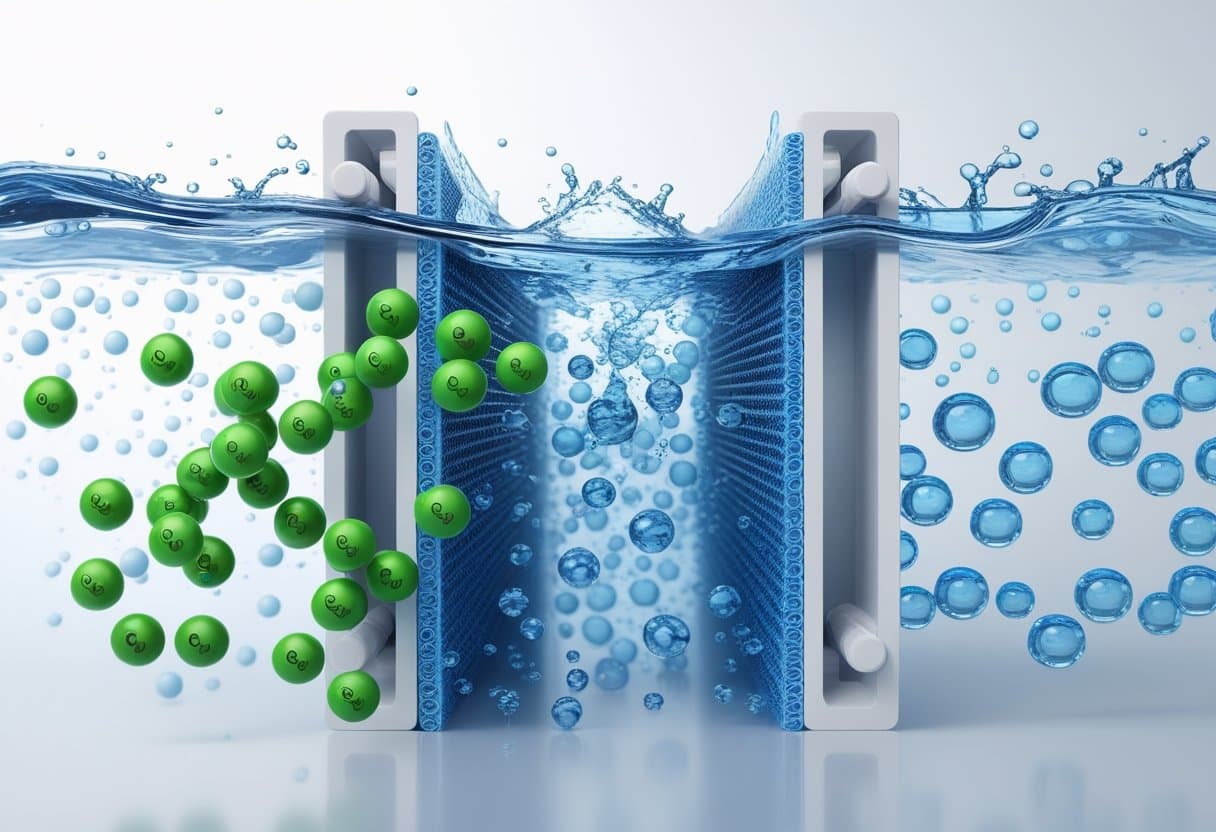
Well water testing in Nanaimo is a must for anyone relying on private water sources. Around Vancouver Island, lots of folks depend on well water every day, so regular checks really matter for staying healthy and safe.
We need to test our well water on a regular basis to spot possible contaminants, minerals, or chemicals that might impact our health—or even mess with our plumbing. Professional well water testing services give us a clear picture of what’s in our water and if we should do something about it. Whether it’s free in-home testing or full lab analysis, there are options to check for bacteria, heavy metals, and more.
Top Well Service Providers in Nanaimo, BC
1) Island Well Service professional well water testing
Island Well Service handles well water testing all over Vancouver Island and Nanaimo. They’ve got solid water testing solutions to help make sure your well water is up to snuff.
Their certified team takes care of water quality analysis for homes and businesses. They check for bacteria, minerals, and other stuff that could be lurking in your water.
Island Well Service’s water testing involves lab analysis of your sample. They cover all the usual suspects: coliform bacteria, nitrates, heavy metals, and so on.
After testing, you get a detailed report breaking down test results. It’s all explained in plain language, so you know what’s up and what (if anything) you should do next.
Their services tie in with water treatment and filtration systems if you need them. They’ll suggest the right fix based on what the tests show.
They’ll recommend a testing schedule that matches your well type and local conditions. Regular checks can catch problems early, which saves headaches down the line.
Island Well Service operates from Nanaimo and covers the whole Vancouver Island region. They bring everything to you, so you don’t have to fuss with samples or shipping.
The company manages the whole process—sample collection, lab work, and explaining the results.
Getting your water tested helps keep your family or business safe. It’s a proactive way to spot issues before they become serious.
Professional testing is just more reliable than DIY kits. Island Well Service’s certified team knows how to handle samples properly and make sure the analysis is accurate.
2) Culligan
Culligan offers free in-home water testing for Nanaimo residents. Handy if you want to know what’s in your well water without spending a dime.
A licensed water expert comes to your place, runs the test, and checks your fixtures, plumbing, and appliances. The whole thing takes about 30 minutes—pretty painless.
You’ll get a report showing exactly what’s in your water, and the expert can answer questions about local water quality.
This is a free public service—no catch, no obligation, no pushy sales pitch.
The testing by a licensed local water expert will flag any water problems and suggest fixes if you need them.
Culligan also does water treatment in Nanaimo, BC, including testing, filtration, and softening. Their local folks know the area’s water quirks pretty well.
The free test covers the basics, but if anything weird pops up, they might send a sample to a lab for a closer look.
You can book your test by calling or emailing Culligan locally. They’ll work around your schedule.
This service gives you confidence and helps you figure out what—if any—gear or treatment might make your water better.
3) BC Aquifer
BC Aquifer’s been in the groundwater game on Vancouver Island since 1974. Their experience shows in their thorough well pump and water quality inspections around Nanaimo.
Their inspections cover all the basics: checking pump performance, water flow, and how your system’s holding up overall.
BC Aquifer offers site assessments too, so you can get a sense of your well’s current condition and catch problems before they get out of hand.
They’ll handle maintenance for your well pump as part of their service. Regular maintenance keeps things running and helps avoid nasty surprises.
Their team does flow testing for both homes and businesses, making sure your well’s putting out enough water and ticking the right boxes for regulations.
If they spot water quality issues, BC Aquifer can help with treatment and filtration. It’s all part of the package.
They serve all of Vancouver Island and the west coast of BC, so you’re not stuck waiting forever for help. Their local knowledge is a real asset.
They look at both the mechanical and water quality sides of things, so you get the full picture of your well’s status.
With decades in the region, BC Aquifer’s a solid pick for well inspections. They know the local geology and the usual suspects for well problems around Nanaimo.
4) Regional District of Nanaimo (RDN)
The Regional District of Nanaimo (RDN) handles water quality monitoring for communities across central Vancouver Island. Their system keeps a close eye on the water reaching our taps.
The RDN supplies drinking water to nine small communities in the region, drawing from groundwater wells, surface sources, or both.
They run weekly tests to make sure the water’s safe. The RDN regularly monitors drinking water in all service areas it manages, so residents can trust what’s coming out of the faucet.
They stick closely to the rules—following the Drinking Water Protection Act and related regulations.
The RDN doesn’t just do the bare minimum. Their Drinking Water and Watershed Protection program picks out certain monitoring sites in and around communities for closer checks.
They collect water quality data every year, which helps them spot trends and catch issues before they blow up.
RDN also has emergency response for water system problems, including after-hours help if something urgent pops up.
Their monitoring covers bacteria, chemicals, and other stuff that could affect your drinking water. It’s a pretty thorough approach.
5) Island EHS
Island EHS does professional water testing all over Vancouver Island. They’ve got coverage in Victoria, Nanaimo, Duncan, Comox, and Campbell River.
They don’t stop there, either—Island EHS offers water testing on Vancouver Island plus the Gulf Islands and even Powell River.
We like that Island EHS takes quality seriously. They’ve got strict standards and use both internal and external quality control programs to make sure their testing procedures are solid and results accurate.
This double-checking gives us more confidence in their results—important when you’re talking about water safety for families or businesses.
They’ll test all sorts of water sources: private wells, municipal systems, and others.
Island EHS provides detailed analysis of samples from various spots, looking for bacteria, chemicals, and whatever else might be a problem.
They serve a big area, so rural and urban communities alike can access reliable water testing.
With technical know-how and a strong focus on quality, Island EHS helps property owners get the info they need to make smart choices about water safety.
6) Excalibur Water Systems
Excalibur Water Systems offers free water testing and analysis for Nanaimo residents. Their testing service helps us find out what’s really in our well water—contaminants, minerals, and whatever else might be lurking.
The company checks for volatile chemicals, minerals, and a range of other contaminants. Their analysis covers the major stuff that can mess with water quality and safety.
To get started, we just fill out their water analysis questionnaire online. That gives their technicians a better idea of our specific water concerns and situation.
Then, we collect a water sample and send it off by mail or courier. The free water testing report comes back with detailed results about what’s in our water.
Excalibur’s team tests the sample for minerals, chemicals, and other contaminants. They’ll send a written report, breaking down the results in plain English (well, mostly).
The report includes recommendations for water treatment equipment if it looks like we need it. That way, we know what might actually fix our water issues—no guessing.
As a Canadian-owned manufacturer, Excalibur’s got experience with local water. They’re familiar with the usual well water headaches in the Nanaimo area.
We get a professional analysis without paying upfront, which is honestly a relief. Their network includes dealers across Canada who can provide ongoing support if we need service or maintenance later on.
7) ABC Water Testing
ABC Water Systems does full-scope water testing for Nanaimo residents. Their experienced team checks our well water for contaminants and pollutants, so we’re not left guessing what’s in the glass.
They test for various substances that could harm our health. Their water testing process helps make sure our drinking water meets safety standards.
ABC Water Systems serves both Victoria and Nanaimo. Their technicians are trained, and their results are reliable for both homes and businesses.
Customer reviews highlight ABC Water Systems’ solid, professional approach to water treatment. People seem to appreciate their focus on customer service.
They handle residential, commercial, and agricultural water systems, offering more than just testing. There’s treatment system installation and ongoing maintenance too.
ABC Water Systems operates from their Nanaimo location at 2180 South Wellington Road. We can reach out directly for well water testing.
Their testing services help us spot water quality problems before they turn into health issues. The team’s local knowledge means we get a thorough look at our well water samples and what’s going on in this region.
ABC Water Systems has built a reputation for helping homeowners keep their drinking water safe. Their experience with Nanaimo’s unique water conditions is something we can count on.
Understanding Well Water Quality in Nanaimo
Well water quality in Nanaimo changes depending on weather and what’s happening around us—think construction, farming, or even just a really rainy spring. It’s important to know which contaminants can end up in our wells and how they can impact our health.
Common Water Contaminants
Bacterial contamination is the big one for Nanaimo well owners. E. coli and coliform bacteria can sneak in when surface water gets into wells, especially after heavy rain.
Chemical contaminants shift from one area to another. Some of the usual suspects:
- Nitrates from farm runoff
- Heavy metals like lead and copper
- Volatile organic compounds (VOCs)
- Pesticides and herbicides
Physical contaminants mess with taste and how the water looks. Iron can stain things red and make water taste metallic. Sediment clouds the water and might even damage plumbing.
Contamination levels rise and fall with the seasons. Water quality can change depending on factors such as weather and land use. Spring runoff, for instance, brings more surface contaminants into the groundwater.
Urban development is another headache. New buildings and septic systems can push more pollutants into our groundwater supply.
Health Implications of Poor Water Quality
Bacterial infections can hit fast—stomach cramps, diarrhea, vomiting. Kids and older adults are especially vulnerable.
Chemical exposure is a slower burn. Nitrates can lower blood oxygen (scary for infants), and heavy metals build up in our bodies over time.
Chronic health effects sneak up on us. Lead can mess with kids’ brain development. Arsenic? It raises cancer risk if we drink it long-term.
Immune system impacts are real too. Bad water can weaken our ability to fight off other bugs and illnesses.
The tricky part? Taste, smell, and looks don’t tell the whole story. Some of the most dangerous stuff is totally invisible and has no odor at all.
How to Interpret Well Water Test Results
Understanding your water test results isn’t always straightforward, but it’s key if you want to know your drinking water is safe. Let’s run through the main things to watch for and what to do once you’ve got your lab report in hand.
Key Indicators to Examine
When we look at well water test results, a few things jump out as most important for safety and quality.
Bacterial contamination is the immediate red flag. Total coliforms mean general contamination, but E. coli points to fecal contamination. Drinking water contaminated with disease-causing bacteria can make you or your family seriously ill—anything from stomach cramps to fever.
Chemical contaminants need a careful eye. Nitrate levels over 10 mg/L are risky for infants and pregnant women. Lead should stay below 15 parts per billion, no exceptions.
Physical parameters matter too. pH between 6.5 and 8.5 is the sweet spot. High iron makes water taste metallic and leaves stains everywhere.
Hardness tells us about minerals like calcium and magnesium. Over 180 mg/L? That’s hard water, which can mess with soap and appliances.
Next Steps After Receiving Results
Once we get results, what happens next depends on what the tests found and how much of it is present.
Bacterial contamination? We need to disinfect the well system right away. Boiling water for drinking is a must until retesting shows the bacteria are gone. Contact your local public health unit or drinking water authority for more information about how to disinfect properly.
Chemical contamination means we’ll need specific filters or treatment systems. High nitrate? Maybe reverse osmosis, or even switching to municipal water if it’s really bad.
If we’re stuck or unsure, ask the lab that did the testing, or check with the county health department. They’ll help make sense of the numbers.
And honestly, regular retesting is just part of the deal. Testing four times a year helps us catch changes before they become big problems.
Frequently Asked Questions
Well water testing in Nanaimo comes with its own set of rules—what to test for, how often, and how to find a lab that actually knows what they’re doing. Most of us just want to know the basics: bacteria, chemicals, and where to get certified testing.
What are the recommended parameters to test for in well water safety assessments?
We suggest testing for both bacteria and chemicals in any well water safety check. Island Health recommends testing well water every 6 months for bacteria—that’s the minimum for safe drinking water.
Chemical tests should cover heavy metals, nitrates, and pH. If there’s farming nearby, it’s smart to check for VOCs and pesticides too.
Total dissolved solids and water hardness matter as well. Companies like Culligan test for chlorine, low pH, total dissolved solids, and water hardness in Nanaimo homes.
How regularly should I have my well water tested to make sure it’s safe for consumption?
Testing every 6 months for bacteria is the standard. Island Health recommends chemical testing every 3 to 5 years if things are normal.
But if you’ve had work done—new pump, well cleaning, plumbing repairs—test right after. And if you notice any weird taste, smell, or color, don’t wait.
More frequent testing might be needed in areas with lots of farming or industry, or if something just feels off.
Are there any specific tests for bacterial contamination in well water?
We check for coliform bacteria and E. coli as the main indicators. These tests show if harmful microbes are in the water.
Total coliform tells us about general bacteria, while E. coli points to fecal contamination specifically.
Most bacterial tests take 24–48 hours. We use sterile containers and deliver samples to the lab quickly for accurate results.
What is the process for getting well water tested for chemical pollutants?
First, we reach out to an accredited lab through the local health authority. Only tests done through accredited laboratories or local public health units provide accurate results.
We have to follow the lab’s sampling instructions and use their containers—different chemicals need different handling.
Results usually come back in 5–10 business days for a full chemical analysis. The report shows contamination levels and how they stack up against health guidelines.
Can household wells be at risk for heavy metals, and what testing is available?
Yes, wells can have naturally occurring heavy metals like arsenic, lead, and manganese. Industrial sites or old plumbing can make things worse.
Testing means collecting water in acid-washed containers from the lab. We test for specific metals based on our area’s geology and any known contamination risks.
Results compare metal levels to Health Canada guidelines. If something’s too high, treatment systems are definitely in order.
What certified institutions can perform well water testing in the Vancouver Island region?
You can track down accredited labs by checking with your provincial drinking water authority or local public health unit. They’ll usually have up-to-date lists of certified places that handle water testing.
Island Health and local health authorities are pretty reliable for testing services and can point you toward reputable labs. The Regional District of Nanaimo is another spot worth calling for a rundown of approved facilities.
Some private outfits, like Culligan, do basic screening as well. Just make sure whichever lab you pick actually holds provincial accreditation, especially if you need results for official purposes.

Thomas Peterson
Owner WSA
About the Author
Latest Posts
Born and raised in Nanaimo on Vancouver Island. Thomas gained a deep appreciation for the importance of clean, reliable water. With over 15 years of experience working with water treatment systems, Thomas has become a trusted expert in helping local homeowners and businesses resolve the unique challenges of well water across the Island.
From hard water and iron buildup to low water pressure and sediment issues, Thomas takes a practical, no-nonsense approach to solving water problems. Whether it’s installing filtration systems or troubleshooting well pump issues, Thomas focuses on long-lasting solutions that help people get the clean, safe water they need.
As a proud local professional, Thomas is dedicated to serving his community with honesty, quality service, and expert advice tailored to the water conditions of Vancouver Island.
Areas of Expertise: Well Service, Well Pumps, Water Filtration Systems
- Clack Water Softener Alternatives: Top Systems for Hard Water Treatment in 2025 November 8, 2025
- Best Well Water Test Kit Options for Safe Home Water Testing in 2025 November 5, 2025
- Best Well Water TDS Meter for Accurate Home Testing in 2025 November 1, 2025
- Best Well Water Sediment Filter Systems for Clean Home Water in 2025 October 29, 2025
- Best Well Water Saltless Water Softener Systems for 2025 October 26, 2025
Facebook Twitter LinkedIn Instagram Reddit
Fact Checked & Editorial Guidelines
Our Fact Checking Process
We prioritize accuracy and integrity in our content. Here’s how we maintain high standards:
- Expert Review: All articles are reviewed by subject matter experts.
- Source Validation: Information is backed by credible, up-to-date sources.
- Transparency: We clearly cite references and disclose potential conflicts.
Your trust is important. Learn more about our fact checking process and editorial policy.
Reviewed by: Subject Matter Experts
Our Review Board
Our content is carefully reviewed by experienced professionals for accuracy and relevance.
- Qualified Experts: Each article is assessed by specialists with field-specific knowledge.
- Up-to-date Insights: We incorporate the latest research, trends, and standards.
- Commitment to Quality: Reviewers check clarity, correctness, and completeness.
Look for the expert-reviewed label to read content you can trust.