
What Causes a Well to Overflow? Factors & Solutions
What causes a well to overflow? A well can overflow due to several reasons. These include rainfall, a rise in the water table, or malfunctioning equipment.

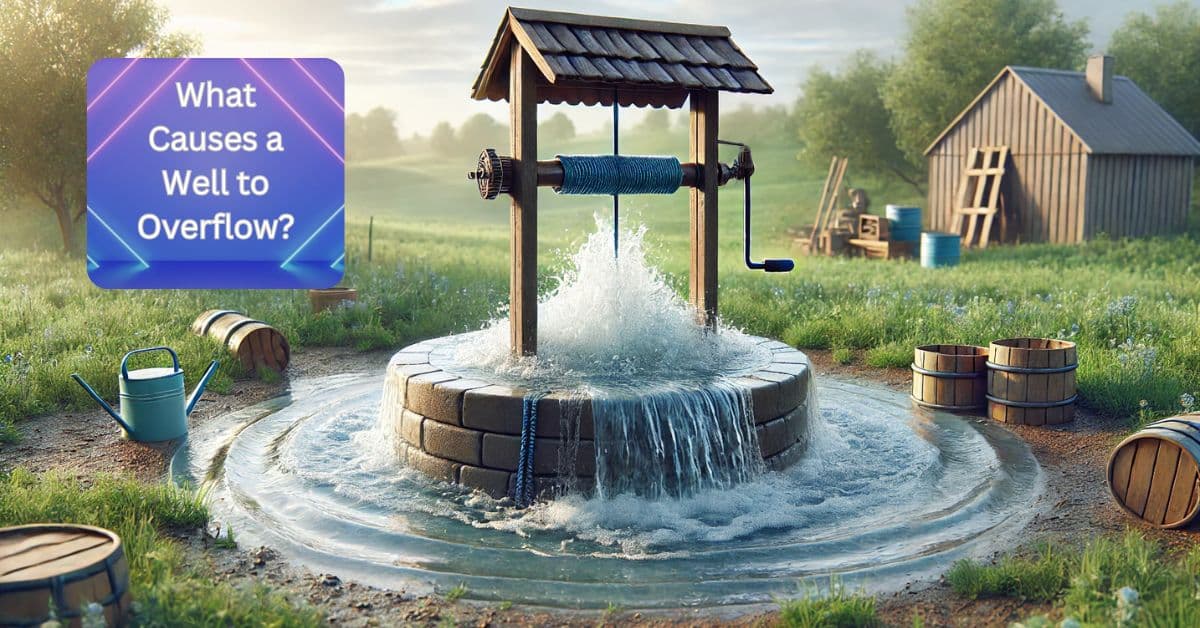
Many homeowners find a well overflowing to be a concerning issue. A well can overflow due to several reasons. These include excessive rainfall, a rise in the water table, or malfunctioning equipment. Understanding these causes is essential for preventing future problems and maintaining your well continues to function properly.
I’ve seen this firsthand when discussing well systems with friends and clients. If your well is overflowing, it might feel overwhelming, but knowing what triggers it can help you address the situation more effectively.
Being informed about well maintenance and potential issues contributes to better water quality and longevity for your well. I’ll share insights that can help you identify problems early on and take action before they escalate.
Understanding Well Systems
A well system is made up of several important parts that work together to provide water. Each component plays a specific role in making sure that water is drawn from underground efficiently and effectively. Understanding these components helps in grasping how well systems function and why issues like overflow can occur.
Components of a Well
A typical well system includes several key components. These are the well casing, well pump, pressure tank, and well screen. The well casing is a pipe that prevents water from entering the well from the surrounding soil. It keeps contaminated water out, maintaining clean water supply.
The well pump is responsible for bringing water up from the aquifer. This pump can be submersible or above ground. The pressure tank holds water and helps maintain consistent water pressure in the system. Lastly, the well screen filters out debris to keep the water clean before it reaches your tap.
Water Cycle and Aquifers
Understanding the water cycle is important for grasping how wells work. Water from precipitation seeps into the ground, replenishing the water table and aquifers. Aquifers are underground layers of water-bearing rock. They store groundwater and can supply wells continuously.
When a well is dug, it taps into these aquifers. The pressure from the surrounding ground helps to push water into the well. If the water level rises too much in the aquifer, it can lead to overflow. That’s why it’s key to know how much water is being extracted versus what the aquifer can sustain.
Common Types of Wells
There are several common types of wells, including drilled, dug, and driven wells. Drilled wells are created using powerful drilling machines, often reaching deep into aquifers. These tend to be the most efficient but can be more expensive to install.
Dug wells are hand-excavated and usually shallower. They’re not as common today due to contamination risks and are generally less reliable. Driven wells are constructed by driving a small pipe into the ground, ideal for areas with high water tables. Each type has its pros and cons, but knowing which one serves you best is essential to maintain a proper well water system.
Causes of Well Overflow
There are several reasons why a well may overflow, and understanding these causes is essential for managing your water supply effectively. Problems can arise from natural conditions, equipment malfunctions, or a combination of both. Here are the key factors.
High Water Table Impact
When the water table rises, it can lead to an overflowing well. Heavy rainfall or melting snow increases groundwater saturation. This rise places pressure on the well system.
If the water level in the well reaches the top of the casing, excess water has to go somewhere. This overflow can create a swampy mess in your yard and even damage landscaping or structures.
Keeping an eye on weather patterns can help anticipate high water table issues. I recommend regular checks on your well to catch early signs, avoiding more significant problems later.
Malfunctioning Well Pumps
Well pumps play an important role in controlling water levels. When these pumps malfunction, they can fail to manage the water pressure effectively. This failure may cause the well to overflow.
For example, if a pump is stuck in the “on” position, it keeps sending water into the well. This continuous inflow raises the water level until it spills over. Additionally, a faulty pressure switch can contribute to this issue, allowing too much water to accumulate.
Inspecting pumps regularly and replacing worn-out parts can prevent these problems. It’s vital to maintain a close watch on your pump’s operation.
Pressure Tank Issues
Pressure tanks are designed to maintain water pressure in the system. If these tanks develop issues, it can lead to overflow. A malfunctioning pressure switch might cause the system to overfill, pushing water into the well.
Another concern is a cracked or leaking tank. When a tank cannot hold pressure, it affects how water is distributed. This situation can lead to excessive water levels in the well, resulting in overflow.
I advise scheduling annual inspections for your pressure tank. Regular maintenance can help identify problems before they escalate, keeping your well working well and efficiently.
Maintaining Water Flow and Pressure
Keeping steady water flow and pressure in your well system is important for daily activities. Issues like low water pressure can disrupt your routine and cause frustration at faucets and other outlets. I’ve found effective maintenance techniques can make a world of difference.
Optimizing Pump Performance
To make sure your well pump works efficiently, regular maintenance is key. Start by checking for any blockages. Sediment can build up and restrict water flow. Remove any debris from the well screen to prevent clogs.
Next, monitor the pump’s power supply. A stable power connection means consistent performance. If you encounter drops in flow rate, consider possible pump wear or malfunction. Fixing these issues promptly keeps pressure steady throughout your home.
Finally, investing in a high-quality pump will pay off. A reliable pump balances the demands of multiple faucets without compromising flow quality.
Pressure Tank Maintenance
Your pressure tank plays a significant role in maintaining water pressure. Regular inspection is important. Check the pressure gauge often. Ideal pressure settings range from 30 to 50 PSI. Staying within these limits maintains optimal water flow.
Next, examine the tank for leaks or signs of corrosion. Address any issues quickly to maintain pressure levels. Flush the tank periodically to remove sediment build-up. This prevents low water pressure and guarantees a consistent flow.
Don’t forget to inspect the air bladder inside the tank. It helps maintain proper pressure levels. Keeping a smooth and steady water flow enhances your overall well system efficiency.
Overflow Prevention and Management
Preventing and managing well overflow is essential for maintaining clean water supply and protecting property. It involves careful planning and ongoing maintenance of the infrastructure along with measures to avoid contamination.
Overflow Pipe Infrastructure
The overflow pipe is a critical component of any well system. It helps divert excess water away, reducing the risk of flooding in surrounding areas.
I recommend installing a correctly sized overflow pipe that matches the well’s output. Regular inspections are important, looking for blockages or damage.
If your well has a water softener, make sure that the overflow pipe is appropriately installed to handle any backflow issues. Keeping the overflow path clear helps prevent water from reversing into the well itself, which can exacerbate contamination risks.
Think about using an anti-backflow valve if your area experiences frequent heavy rains. This extra precaution helps keep the system functioning as it should.
Contamination Risks and Protection
Contamination is a major concern for well overflow. When water overflows, it can mix with surface water, bringing pollutants along with it.
To protect against this, maintain a safe distance between your well and any possible sources of contamination, like septic systems or chemical storage areas.
I suggest installing a drainage system that funnels excess water away from your well. This is especially important after heavy rainfall or flooding.
Regular testing of water quality can help identify any contamination issues early. If problems arise, addressing the overflow issues becomes even more critical.
Taking these steps can significantly reduce the risks of contamination and maintain a reliable water source.
Troubleshooting and Repairs
When dealing with well overflow issues, it’s important to understand common problems like low water pressure and pump failures. Identifying these issues early can save you time and money.
Addressing Low Water Pressure
Experiencing low water pressure can be frustrating. Several factors could be causing it, such as clogged pipes, a failing well pump, or a depleted aquifer.
To fix low water pressure, start by checking the pump. Make sure it’s functioning properly and delivers the right amount of water. If the pump seems worn out, consider having it replaced.
Next, inspect the pipes for any clogs or leaks. Clearing these can improve water flow. Sometimes, my first step is to cleanse the system by using a plumbing snake.
If these solutions don’t work, deepening the well may be necessary if the water table has dropped. Addressing these causes can significantly enhance your water pressure.
Resolving Pump and Pressure Switch Failures
A faulty pressure switch can cause the pump to turn on and off repeatedly. This cycling can lead to both inefficiency and potential damage to the system.
First, check the pressure switch settings. If they seem off, adjusting them may solve the problem. If the switch is worn or damaged, replacing it is essential.
Next, examine the well pump itself. Listen for unusual sounds that may indicate it’s struggling. If it’s not meeting demand, consider reviewing its size. An oversized or undersized pump can lead to more frequent cycling.
Finally, maintain electrical connections to the pressure switch are secure. Loose wires can disrupt the power flow, leading to further issues.
Enhancing Well Water Quality
To boost the quality of well water, it’s critical to address common issues like hydrogen sulfide and the hardness of the water. I’ve seen first-hand how these problems affect homes, but with the right actions, I can help improve water quality significantly.
Treating Hydrogen Sulfide
Hydrogen sulfide is a common issue in well water and can give your water a foul smell, often described as rotten eggs. It’s not just unpleasant; it can be harmful too. To tackle this, I recommend installing an activated carbon filter, which effectively removes the gas from the water.
Another option is oxidizing filters, which convert hydrogen sulfide into solid particles that are easier to filter out. If levels are high, a chemical injection system may be required, adding oxidizers like chlorine. It’s essential to regularly test for hydrogen sulfide to keep my water fresh and safe.
Filtering and Softening Well Water
Well water can often be hard, containing high levels of minerals like calcium and magnesium. This can lead to scaling in pipes and appliances. To treat this, I usually suggest using a water softener, which replaces these minerals with sodium ions.
In addition to softening, a good filtration system helps remove sediment, bacteria, and other contaminants. I often recommend installing a multi-stage filter system for the best results.
Keeping an eye on these systems makes sure I maintain good water quality. Regular maintenance is key to preventing well water problems and maintaining clear, safe water for my family.
Well Yield and Longevity
The yield of a well and its longevity are key factors that affect how well your water system performs. By focusing on maximizing the flow rate and taking steps to extend the well’s life, I can make sure that my water supply remains reliable.
Maximizing Yield and Flow Rate
To maximize yield and flow rate, I must choose the right pump for my well water system. A pump that is too small will limit the water supplied, while one that is too large can lead to over-pumping.
I also consider the water table level. When the water table drops, the yield can decrease. Regular monitoring of water levels can help me adjust my pumping strategy. Additionally, conducting maintenance like cleaning the well and replacing worn parts can improve flow rates.
Using efficient irrigation systems is another way to maximize yield. By applying water when plants need it most, I can help conserve resources and make sure my well functions properly.
Extending the Life of Your Well
The life of my well directly impacts my water supply’s reliability. To extend its life, I adopt best practices for usage and maintenance. Regular inspections are vital to catch problems early.
I avoid over-pumping, which can cause water quality to drop and lead to well deterioration. Instead, I make sure to operate within the well’s yield limits.
Moreover, I pay close attention to the surrounding area. Protecting the well from contaminants is essential. I manage landscaping and drainage to prevent runoff from negatively impacting my well water quality.
Special Considerations for Artesian Wells
Artesian wells are fascinating structures that bring water to the surface without pumps, relying on natural pressure. Understanding how they work and how to manage overflow is important for any property owner.
How Artesian Wells Work
Artesian wells tap into pressurized underground aquifers. Water sits between layers of impermeable rock or clay. When you drill into this aquifer, the pressure can cause water to rise to the surface, sometimes gushing out.
It’s important to note that the depth and flow rate can vary. Some artesian wells might be 17 to 64 metres deep, with flow rates reaching thousands of litres per day. Using PVC pipes is common to manage this flow. They help maintain durability while standing up to the pressure that comes from the well.
Managing Artesian Well Overflow
Overflow from artesian wells can lead to problems. If not controlled, excess water can erode land and disrupt the landscape. To manage overflow, it’s vital to monitor well pressure and flow.
Implementing a controlled discharge system can help regulate water levels. This often includes valves that can be adjusted as needed. Keeping well records will also aid in predicting overflow events. Regular maintenance checks will make sure that any leaks or issues with the well casing are addressed promptly. This can prevent major headaches.
Professional Evaluation and Assistance
When dealing with a well that may be overflowing, it’s essential to know when to seek help and how to maintain the system properly. Understanding these aspects can prevent further issues and maintain safe operation.
When to Call a Professional
If I notice that my well is overflowing, I must consider several signs that indicate the need for professional help. Persistent overflowing, especially if it transforms my yard into a marsh, suggests a significant problem.
Other red flags include:
- Unusual water quality
- Changes in water flow
- Unexplained changes to the well screen
These symptoms can mean issues like well screen plugging or drainage problems. When this happens, it’s wise to call an experienced plumber or well technician. They can accurately diagnose the issue and recommend effective solutions. Professional evaluation can save me from costly repairs down the line.
Regular Maintenance and Inspections
Regular maintenance of my well is important to avoid overflow and other complications. I should schedule inspections at least once a year to assess the well’s condition. During these inspections, a professional can check the well screen and plumbing for any blockages or damage.
Key maintenance tasks include:
- Cleaning the well screen to prevent clogging
- Checking the integrity of the casing
- Maintaining proper drainage around the area
If I regularly monitor my well, I can catch issues early. This not only helps prevent overflow but also maintains safe water quality. Taking these steps shows I care for my well, and it will pay off.
Frequently Asked Questions
I often hear questions about well overflows, especially during heavy rainfalls. These concerns range from what triggers this overflow to how to prevent issues. Let’s dive into some common queries.
Why would a well start spewing water during a downpour, eh?
When heavy rain falls, the surrounding ground can become saturated. This saturation can cause water to rise in the well, pushing it up and out. If the well lacks sufficient drainage or if there’s too much groundwater, you might see water spilling over the top.
What might be the reasons for a well pump to become overloaded, buddy?
A well pump can become overloaded for a few reasons. If there’s too much debris or sediment clogging the pump, it has to work harder, which can cause strain. External factors like a sudden influx of water from rainfall can also contribute to this overload.
How does a heavy rainfall impact your well water situation?
Heavy rainfall affects groundwater levels significantly. In wet conditions, your well can refill more quickly than it typically would. This can lead to an increase in water pressure, which may cause overflow, especially if the well is not designed to handle such fluctuations.
Why’s water coming out of the overflow after a big storm?
If water is coming out of the overflow pipe after a storm, it often means that the well is experiencing excess volume. This might happen if the aquifer is full or if your well’s capacity is exceeded. It’s a sign that the well is functioning as intended, but it may need to be checked for efficiency.
What should you do if you notice your well’s suddenly overflowing?
How can you prevent your well from overflowing and keep it in tip-top shape?
To prevent your well from overflowing, regular maintenance is key. This includes cleaning the well, maintaining proper drainage, and inspecting the pump and overflow pipes. Installing a sediment filter can also help manage debris and keep everything working well.

Thomas Peterson
Owner WSA
About the Author
Latest Posts
Born and raised in Nanaimo on Vancouver Island. Thomas gained a deep appreciation for the importance of clean, reliable water. With over 15 years of experience working with water treatment systems, Thomas has become a trusted expert in helping local homeowners and businesses resolve the unique challenges of well water across the Island.
From hard water and iron buildup to low water pressure and sediment issues, Thomas takes a practical, no-nonsense approach to solving water problems. Whether it’s installing filtration systems or troubleshooting well pump issues, Thomas focuses on long-lasting solutions that help people get the clean, safe water they need.
As a proud local professional, Thomas is dedicated to serving his community with honesty, quality service, and expert advice tailored to the water conditions of Vancouver Island.
Areas of Expertise: Well Service, Well Pumps, Water Filtration Systems
- Clack Water Softener Alternatives: Top Systems for Hard Water Treatment in 2025 November 8, 2025
- Best Well Water Test Kit Options for Safe Home Water Testing in 2025 November 5, 2025
- Best Well Water TDS Meter for Accurate Home Testing in 2025 November 1, 2025
- Best Well Water Sediment Filter Systems for Clean Home Water in 2025 October 29, 2025
- Best Well Water Saltless Water Softener Systems for 2025 October 26, 2025
Facebook Twitter LinkedIn Instagram Reddit
Fact Checked & Editorial Guidelines
Our Fact Checking Process
We prioritize accuracy and integrity in our content. Here’s how we maintain high standards:
- Expert Review: All articles are reviewed by subject matter experts.
- Source Validation: Information is backed by credible, up-to-date sources.
- Transparency: We clearly cite references and disclose potential conflicts.
Your trust is important. Learn more about our fact checking process and editorial policy.
Reviewed by: Subject Matter Experts
Our Review Board
Our content is carefully reviewed by experienced professionals for accuracy and relevance.
- Qualified Experts: Each article is assessed by specialists with field-specific knowledge.
- Up-to-date Insights: We incorporate the latest research, trends, and standards.
- Commitment to Quality: Reviewers check clarity, correctness, and completeness.
Look for the expert-reviewed label to read content you can trust.