
What Could Be Causing My Well Pump to Trip? (Explained)
What could be causing my well pump to trip? Many homeowners face this frustrating issue, often wondering what could be causing the problem.

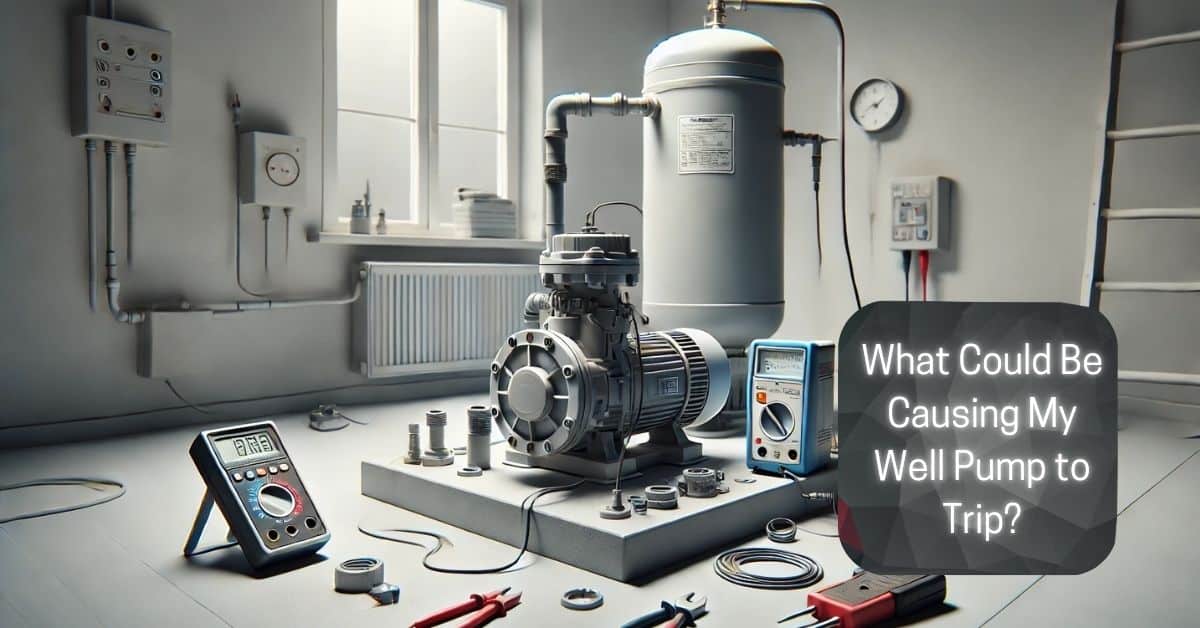
If you’ve noticed your well pump tripping frequently, you’re not alone. Many homeowners face this frustrating issue, often wondering what could be causing the problem. The usual suspects include electrical issues, overloads, and even adverse weather conditions that can affect your pump’s performance. Understanding these factors can save you time and money in repairs, as well as help you maintain a reliable water supply.
It’s essential to consider both the immediate symptoms and the underlying causes of a tripped breaker. Taking a few initial troubleshooting steps may reveal simple fixes, while deeper problems might require professional attention. I know it can feel overwhelming, but being informed empowers you to take control of your well pump system and make sure it runs well.
Understanding Your Well Pump System
It’s important to know the different parts of your well pump system and how they work together. Understanding these components can help you diagnose problems and improve the efficiency of your water supply.
Components of a Typical Well Pump Setup
A typical well pump system consists of several key parts. At its core is the well casing, which protects the well from external contaminants. Inside the casing, the submersible water pump sits deep in the water, pulling it up to the surface.
Next is the pressure tank, which stores water and maintains pressure in your system. This prevents the pump from running constantly. The pressure switch is important as it detects when water pressure drops and signals the pump to start.
Finally, you have pipes that carry water to your home. Each of these components must work together smoothly for an efficient water supply. If any part fails or works poorly, you might face issues like low water pressure or the pump tripping.
The Role of the Pressure Switch and Tank
The pressure switch controls the operation of the well pump. It monitors water pressure in the system. When it detects a drop in pressure—like when you turn on a faucet—it activates the pump. Once the desired pressure is reached, the switch turns off the pump. This cycle is what keeps water flowing when you need it.
The pressure tank works closely with the pressure switch. It holds a reserve of water and uses air pressure to push that water into your pipes. A properly functioning tank means stable water pressure and less wear on your pump. If the tank is too full or not full enough, it can cause the pump to cycle frequently, leading to burnout. Keeping this system balanced is key for a reliable water supply.
Common Culprits of Well Pump Tripping
When my well pump keeps tripping, I know it’s important to identify the problem. Understanding the possible causes helps me fix the issue quickly and effectively. Here are some common culprits that can lead to a tripped breaker.
Electrical Issues at Play
Electrical problems are often a primary cause of a tripped breaker. I check the circuit breaker regularly. If it keeps tripping, it might mean there’s too much strain on the system, possibly due to overloaded circuits.
Loose or damaged electrical wiring can also trigger a short circuit, affecting the pump motor’s performance. I always recommend inspecting the wiring for frays or breaks.
If I spot damaged wires, I consult a professional electrician to maintain safety. It’s important to address these issues quickly to avoid further damage to the system.
Pump Motor and Wiring Woes
The pump motor itself can be the source of some serious headaches. If the motor is malfunctioning, it can cause the circuit breaker to trip frequently. I often find that dirt and debris build-up can lead to overheating.
A waterlogged well—a situation where the pump is submerged in water—can affect the motor’s efficiency. This may cause it to work harder than it should and lead to more trips.
In such cases, I strongly suggest getting a professional to help diagnose the motor’s condition and any related wiring issues. Keeping everything clean and maintained is key.
Pressure System Problems
Low water pressure can also create problems for my well pump. If the pressure switch doesn’t sense enough pressure in the system, it might cause the pump to work harder to meet demands. This extra effort can trip the breaker unexpectedly.
I pay attention to signs of fluctuating pressure or sudden drops. These could indicate a clogged filter or a malfunctioning pressure switch. Both of these issues require immediate attention.
Regular checks can prevent pressure-related problems. I try to include these inspections in my routine maintenance to avoid future surprises.
Water Supply and Quality Concerns
Water quality can sometimes be a hidden factor in my well pump troubles. If the water supply is dirty, it can clog filters and strain the pump. This dirt can lead to increased wear and tear and ultimately a tripped breaker.
I always keep an eye on any changes in the water’s appearance or taste. If I notice any issues, I take samples for testing.
In cases of contamination or murky water, I may need to install a better filtration system. Addressing these quality concerns helps make sure my well system runs well for the long term.
Initial Troubleshooting Steps
When my well pump trips, I need to get my hands dirty and figure out what’s wrong. The first steps involve checking a few key areas, like the circuit breaker, the pressure switch, and any signs of wear on the pump motor. Here’s how I tackle these issues.
Inspecting the Circuit Breaker
The circuit breaker is often where my troubleshooting starts. If it trips repeatedly, something is causing an overload. First, I turn off the breaker completely to prevent any accidents.
After that, I switch it back on. If it trips again, I know there is a larger issue at play. It could be a faulty well pump motor or a problem in the wiring.
I also check for any burnt smell or unusual heat around the breaker and wiring. If I spot any damage, it might be time to call a professional for a deeper look.
Evaluating the Pressure Switch’s Condition
Next up is the pressure switch. This device controls when the pump turns on and off. If the switch is faulty, it can cause the pump to trip.
I start by checking if the pressure switch is stuck. Sometimes, debris can jam it. If needed, I clean the contacts gently.
I also make sure the pressure settings are correct. If the pressure is set too low or high, I can adjust it according to the manufacturer’s guidelines. If it still doesn’t work, replacing the pressure switch might be necessary.
Checking for Signs of Overheating or Wear
Finally, I take a close look at the well pump itself. Overheating can lead to serious problems. I check for any unusual sounds or vibrations that could indicate wear on the motor.
If the pump feels hot to the touch, I know it needs to cool down. In some cases, cleaning or replacing the well pump motor might be the best option.
Regular maintenance can help me avoid these issues in the first place. Making sure everything is in good shape often pays off with fewer headaches.
Preventative Maintenance Tips
Keeping your well pump in top shape requires a few straightforward practices. Regular inspections, prompt repairs, and maintaining your well casing can prevent bigger issues. Here’s how I approach these tasks.
Regular Inspection Cycles
I make it a priority to schedule regular inspections for my well pump system. Ideally, I check every six months to look for signs of wear and tear. During these checks, I examine both the pump and the pressure tank.
I focus on the pressure switch settings, making sure they are correctly calibrated. A misadjusted switch can lead to frequent cycling, which stresses the pump. I also inspect the electrical connections for any signs of corrosion or damage.
If I notice any leaks in the piping or the pump body, I tackle them immediately. I also examine the surrounding area to make sure there are no pest problems, like rodents, that might interfere with the system. A careful inspection can save me both time and money.
Addressing Small Issues Promptly
When I spot a small issue, I believe in addressing it right away. Ignoring minor problems can lead to larger, more expensive repairs later. If I see water pooling near the pump, for instance, I check for leaks and make repairs.
Another common issue I watch for is unusual sounds from the pump. If I hear clicking or grinding, it might indicate a need for lubrication or repairs. In my experience, early action can prevent a breakdown.
I keep a close eye on the pressure readings. If the pressure fluctuates too much, I know it’s time to investigate further. Taking action on small issues can greatly extend the life of the well pump and reduce unexpected failures.
Maintaining the Well Casing and Surroundings
The well casing is another critical component. I regularly inspect the casing for cracks or damage that could allow contaminants to enter. Keeping the surrounding area clear of debris and vegetation is important as it prevents pests from becoming a problem.
I also make sure that the area around my well is graded properly to direct water away from the casing. Standing water can lead to contamination. Regularly maintaining these surroundings not only protects my water quality but also supports overall pump efficiency.
By combining these preventative maintenance tips, I make sure my well pump operates efficiently and reliably. Keeping on top of these tasks makes all the difference in avoiding costly repairs down the line.
Professional Well Pump Repair and Replacement
When dealing with a tripped well pump, it’s essential to know when to call a pro and what the repair or replacement process involves. Tackling this kind of issue on your own can lead to more trouble. Let’s break down the key factors involved.
When to Call in the Experts
You might hesitate to involve professionals, but there are clear signs it’s time to get help. If your pump consistently trips the breaker, it usually means there’s an underlying issue that needs attention.
Symptoms of pump failure include:
- Reduced water pressure: If the water flow from your taps is weak.
- Constant running: If the pump runs non-stop, that’s a problem.
- Strange noises: Any odd sounds should raise a red flag.
These issues can stem from electrical problems or component failures. I always say, when in doubt, trust your instincts. Getting a qualified technician maintains your well water pump returns to its best working condition without risking further damage.
The Process of Pump Repair or Replacement
When a pro steps in, they’ll follow a systematic approach to make sure everything gets sorted. First, they’ll perform a thorough inspection of the entire system. They look for issues related to the electrical current, wiring, and pump mechanics.
Then comes the diagnosis. The expert will identify if the problem lies within the pressure switch, tank, or pump itself.
If the pump is toast, they’ll talk you through replacement options. This includes choosing the right type and size of well water pump for your needs.
And lastly, they’ll handle the installation while making sure all safety protocols are followed. This way, you can avoid future headaches and keep your water flowing smoothly. A proper repair or replacement means confidence and a reliable water supply.
Understanding the Lifespan of Pump Components
While well pumps are built to last, components like the motor, pressure switches, and impellers have a limited lifespan. Regular use can lead to wear, affecting the pump’s performance.
I always keep an eye on my pressure gauge. If the readings fluctuate wildly or show low water pressure, it might signal trouble. A clogged impeller can restrict water flow and increase the chances of the well breaker tripping. If I notice any signs of wear, like unusual noises or vibrations, I check the components immediately. Regular maintenance can extend the life of my pump and save me from costly repairs.
Monitoring Water Quality and Pressure
Monitoring water quality is important for both safety and efficiency. Contaminants can affect the pump’s functionality. Keeping an eye on water pressure also helps identify issues. A drop in water pressure can mean my pump is working harder than it should.
I recommend testing my water regularly. If I notice cloudiness or an unusual taste, it might signal a problem with my well. Establishing a routine check for pressure and quality will help me catch issues early. This simple practice can prevent my pump from overworking and tripping the breaker.
Frequently Asked Questions
I know it can be frustrating when your well pump acts up. Let’s tackle some common questions to help you get a better handle on these issues.
Why does my water pump keep tripping the circuit breaker, eh?
A tripping circuit breaker often signals an electrical issue. This could be due to worn wires, a faulty motor, or a short circuit caused by moisture. It’s essential to inspect these components, as ignoring them can lead to further damage.
What might cause my well pump to start humming and then trip the breaker?
If your well pump hums and then trips the breaker, it may indicate a problem in the motor. This could mean the motor is trying to start but can’t due to a blockage or internal failure. Checking for obstructions or worn parts can help identify the issue.
Could a faulty pressure switch be the reason my well pump is tripping out?
Yes, a faulty pressure switch can definitely cause the well pump to trip. If the switch is stuck or malfunctioning, it may either fail to turn off or send the pump into overdrive, leading to circuit breaker trips. Regular maintenance and checks can prevent this.
How can I tell if the check valve is the culprit in my well pump tripping issues?
If you’re experiencing continuous cycling, the check valve could be a problem. A faulty check valve might allow water to flow back into the well, causing the pump to work harder. Inspecting the valve for wear or damage is a good starting point.
What steps should I take if my well pump is kicking on and off more than it should?
Frequent cycling might be due to various issues like a leaking pipe or a malfunctioning pressure tank. First, check for visible leaks. Then, examine the pressure tank and switch settings. Adjusting these settings may resolve the problem.
Why is my well pump’s breaker tripping intermittently and what can be done about it?
Intermittent tripping can be caused by fluctuating water levels or electrical problems. I recommend monitoring water levels and checking the electrical connections. If this continues, consulting a professional for a thorough inspection might be the best course of action.

Thomas Peterson
Owner WSA
About the Author
Latest Posts
Born and raised in Nanaimo on Vancouver Island. Thomas gained a deep appreciation for the importance of clean, reliable water. With over 15 years of experience working with water treatment systems, Thomas has become a trusted expert in helping local homeowners and businesses resolve the unique challenges of well water across the Island.
From hard water and iron buildup to low water pressure and sediment issues, Thomas takes a practical, no-nonsense approach to solving water problems. Whether it’s installing filtration systems or troubleshooting well pump issues, Thomas focuses on long-lasting solutions that help people get the clean, safe water they need.
As a proud local professional, Thomas is dedicated to serving his community with honesty, quality service, and expert advice tailored to the water conditions of Vancouver Island.
Areas of Expertise: Well Service, Well Pumps, Water Filtration Systems
- Clack Water Softener Alternatives: Top Systems for Hard Water Treatment in 2025 November 8, 2025
- Best Well Water Test Kit Options for Safe Home Water Testing in 2025 November 5, 2025
- Best Well Water TDS Meter for Accurate Home Testing in 2025 November 1, 2025
- Best Well Water Sediment Filter Systems for Clean Home Water in 2025 October 29, 2025
- Best Well Water Saltless Water Softener Systems for 2025 October 26, 2025
Facebook Twitter LinkedIn Instagram Reddit
Fact Checked & Editorial Guidelines
Our Fact Checking Process
We prioritize accuracy and integrity in our content. Here’s how we maintain high standards:
- Expert Review: All articles are reviewed by subject matter experts.
- Source Validation: Information is backed by credible, up-to-date sources.
- Transparency: We clearly cite references and disclose potential conflicts.
Your trust is important. Learn more about our fact checking process and editorial policy.
Reviewed by: Subject Matter Experts
Our Review Board
Our content is carefully reviewed by experienced professionals for accuracy and relevance.
- Qualified Experts: Each article is assessed by specialists with field-specific knowledge.
- Up-to-date Insights: We incorporate the latest research, trends, and standards.
- Commitment to Quality: Reviewers check clarity, correctness, and completeness.
Look for the expert-reviewed label to read content you can trust.