
What Is the Normal Pressure for a Well Pump? (Explained)
What is the normal pressure for a well pump? Normal pressure for a well pump typically falls between 40 to 60 psi (pounds per square inch).

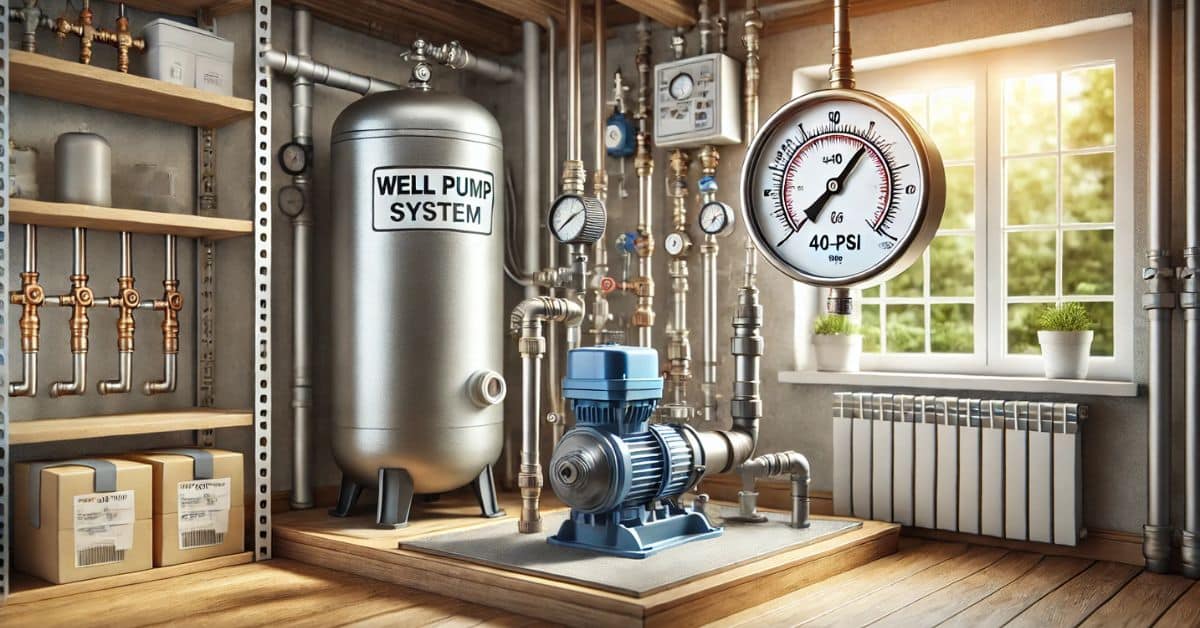
Finding the right water pressure for your well pump is important for both efficiency and durability. Normal pressure for a well pump typically falls between 40 to 60 psi (pounds per square inch). Achieving and maintaining this range makes sure you have a steady flow of water throughout your home and prevents potential damage to your system.
Understanding the factors that influence this pressure is essential. From the pressure switch settings to the condition of your pressure tank, each component plays a significant role in your well’s performance.
Every well system is unique, and I know how important it is to keep it working well. As I explore this topic, you’ll learn valuable tips and practical advice, making sure your well pump is always in top shape.
Understanding Normal Pressure for Well Pumps
For well pumps, finding the right pressure is important. I often hear homeowners ask about the normal pressure settings for their systems. Most well pumps operate within two common ranges: 30/50 psi and 40/60 psi.
Here’s a quick breakdown:
- 30/50 psi: The pump kicks on at 30 psi and shuts off at 50 psi.
- 40/60 psi: The pump starts at 40 psi and stops at 60 psi.
These settings make sure that there’s adequate water pressure for daily use. If the pressure drops too low, the pressure switch signals the pump to activate. This keeps the pressure tank filled and maintains a steady supply of water.
If you’re working with a submersible pump, these settings remain valid. It’s essential to check that your system is set according to factory settings. A poorly adjusted system can lead to inefficiencies and even damage over time.
Ideal pressure for a well system helps prolong the life of your equipment. If you notice fluctuations in water pressure, check the pressure switch. A malfunctioning switch can cause problems with your water system, so don’t hesitate to get it inspected.
Key Components Affecting Well Pump Pressure
For understanding well pump pressure, several key components play an important role. Each part works together to maintain your water system operates efficiently and reliably. Let’s break these down for clarity.
Pressure Tank Roles and Settings
The pressure tank is vital for maintaining steady water pressure. It acts as a buffer, storing water and air. This storage means your well pump doesn’t need to run constantly, which helps save energy and lengthens its life.
Typical pressure tank settings are often 30/50 psi. This means the pump kicks in at 30 psi and stops at 50 psi. If the tank pressure is set too low, you might experience drops in water pressure during use. Conversely, settings that are too high can cause stress on the system.
It’s essential to monitor the pressure and adjust it if necessary. This makes sure that your system is working at its best and providing consistent water flow.
Pressure Switch Mechanics
The pressure switch is the brain of your well pump system. It monitors the pressure within the tank and controls when the pump operates. When the water level in the tank drops, the switch activates the pump to restore pressure.
There are generally two main types of pressure switches: standard and digital. Standard switches can wear out over time, causing erratic pressure issues. Digital switches, on the other hand, provide more precise control and can offer better energy efficiency.
Regular checks of the pressure switch can prevent major issues down the line. A faulty switch could mean unpredictable pressure levels, which is not what anyone wants.
The Influence of Water Pressure
Water pressure is influenced by various factors, including the depth of your well and the surrounding geology. Deeper wells usually require more powerful pumps to reach the surface, impacting how pressure is maintained.
Most well pumps operate optimally within 40 to 60 psi. Knowing where your system stands helps in troubleshooting any issues. If pressure drops below this range, it could indicate problems with the pump or other components.
If you’re using a submersible pump, it typically provides consistent pressure since it’s designed to work underwater. However, if you’re having trouble with fluctuating pressure, it might be worth checking all components involved, including the pressure tank and switch.
Troubleshooting Common Pressure Issues
When dealing with well pump pressure, it’s important to know how to tackle low and high-pressure problems effectively. I’ll guide you through several troubleshooting steps to help maintain steady well water pressure.
Resolving Low Water Pressure
Low water pressure can be a frustrating issue. First, I recommend checking the pressure gauge. If it reads below your normal cut-in pressure, there could be several culprits.
One possible reason is a clogged well screen or sediment buildup. Cleaning or replacing the screen may resolve the pressure drop. Additionally, inspecting the pressure tank is essential. If the tank is waterlogged, it can reduce pressure. I also advise confirming the pump’s depth and making sure that it isn’t running dry, which can lead to pump failure.
For persistent problems, I would consult a professional to rule out more serious issues.
Handling High Pressure Scenarios
High pressure can be just as problematic as low pressure. If the pressure gauge reads significantly above the normal range, it might indicate a malfunctioning pressure switch.
To address this, I first check the pressure switch settings. The cut-off pressure may need adjustment if it’s set too high. If the pressure remains high, then I look for expansion tanks that could be faulty. Another possible cause could be a faulty relief valve, which can create dangerous pressure levels.
I strongly recommend not to ignore high pressure as it can cause significant damage to the system over time.
Detecting and Repairing Leaks
Leaks can often contribute to pressure problems. Detecting them can save you both time and money. I start by visually inspecting all exposed piping.
If visually checking isn’t conclusive, I suggest checking your water meter. An unexplained spike in water usage might indicate a hidden leak. Once I locate the leak, I firmly believe in proper repairs.
This may involve patching or replacing sections of piping. Using plumber’s tape on threaded connections often helps. For larger leaks, hiring a plumbing professional might be necessary to get everything sealed properly.
Adjusting Cut-On and Cut-Off Pressure
Adjusting the cut-on and cut-off pressure settings can effectively regulate your water system. I always start by checking the manufacturer’s recommended settings. Typical cut-in pressure settings might be around 30 psi, while cut-off can be around 50 psi.
Using a pressure gauge, I monitor the results as I make adjustments to the screw on the pressure switch. Small turns can make a difference.
If pressure fluctuations occur, it can signify that the settings need fine-tuning. Proper adjustment helps maintain a balance between high and low pressures, maintaining consistent water delivery and avoiding system stress.
Maintenance and Improvement Strategies
Maintaining and improving your well pump system is key for consistent water pressure. I’ll share essential steps that can help make sure your system runs well and effectively. These strategies will address how to perform routine checks, make necessary upgrades, and enhance overall performance.
Routine Maintenance Essentials
Regular maintenance keeps your well pump in top shape. I recommend checking the pressure tank settings to make sure they align with your system’s requirements. Typically, the cut-in pressure should be set at 2 psi below the pump’s cut-in pressure.
Next, inspect the water pressure gauge to monitor levels. If you notice fluctuations, it might be time for a closer inspection.
Don’t forget to look for any leaks or corrosion around pipes and connections. These issues can affect water flow and pressure. Additionally, purging air from the system is important. Trapped air can prevent the pump from operating efficiently and can lead to pressure loss.
Regularly clean or replace filters as needed. A clean filter promotes better water flow and helps maintain pressure. Remember, a little preventive care can save you from costly repairs later on.
Upgrading Your Well Pump System
If your well pump is old or failing to meet your needs, consider a replacement. Upgrading can result in improved efficiency and increased water pressure.
When choosing a new pump, look for models designed for your specific well depth and water requirements. Consult with a professional to maintain compatibility with your existing pressure tank.
Installing a more efficient pump can dramatically increase water output. I always recommend checking the specifications of potential new systems against your current needs. Don’t forget to review the warranty and service options that come with your new equipment.
Installing a Water Pressure Booster Pump
If you find your well pump isn’t delivering the pressure you desire, a water pressure booster pump might be the answer. This system works by increasing the pressure in your water lines for better flow throughout your home.
I’ve seen booster pumps significantly improve water pressure, especially in homes with multiple bathrooms or where water flow is often a concern. They can be installed at any point in your plumbing to enhance performance.
When selecting a booster pump, consider factors like flow rate and the existing pressure in your system. Some models even feature constant pressure systems that automatically adjust to your water needs, making them highly efficient.
Pressure System Enhancements
Enhancing your pressure system can maximize performance and efficiency. Start by adjusting your pressure tank settings according to your pump’s specifications. Proper settings help maintain consistent pressure and prevent the pump from cycling too frequently.
Another approach is to install a variable speed drive. This device allows the pump to operate at varying speeds, which reduces wear and tear while improving efficiency. It also maintains a steady pressure even as water demand changes.
Using a water pressure gauge lets me monitor performance easily. Keeping an eye on your system can help catch problems early, making sure your water pressure remains reliable.
Considerations for Water Treatment Systems
When dealing with a well pump, understanding how water treatment systems can affect performance is important. Two main issues often arise: sediment buildup and limescale. Knowing how to address these problems can improve both water quality and pressure.
Addressing Sediment and Limescale
Sediment can accumulate in a well and cause blockages. This buildup might lead to lower water pressure and even damage your pump over time. A sediment filter is essential to keep these particles in check. I recommend installing a filter before the water enters your home to catch larger sediment.
Limescale is another unwelcome guest in your plumbing. It forms from hard minerals in the water, which can coat pipes and appliances. This buildup not only reduces water flow but can significantly affect the lifespan of your equipment. Regular maintenance and cleaning can help mitigate these issues.
Incorporating Water Softeners
A water softener can be a game-changer for your system. It works by replacing harmful minerals like calcium and magnesium with sodium. This process helps to prevent limescale from forming in your pipes and appliances.
When selecting a water softener, consider the size and hardness of your water supply. Get a water test done to know exactly what you’re dealing with. Properly sizing the unit will improve its effectiveness and ultimately enhance your well’s water pressure. Don’t forget to check and maintain the softener regularly, as this will maintain its proper functioning over time.
Additional Tips for Optimal Performance
To keep your well pump and tank working well, you need to pay attention to a few key areas. Understanding how components work together can help you avoid problems and maintain efficient water pressure.
Understanding Air Fill Valve Functions
The air fill valve plays an important role in maintaining proper pressure in the well tank. It’s typically a Schrader valve, similar to those found on bike tires. Checking this valve regularly makes sure that it holds the right air charge, which should be about 2 psi below the pump’s cut-in pressure.
To check the pressure, you’d want to stop the pump, drain the tank, and then measure pressure using a gauge. If it’s too high, you might notice a water pressure drop when you turn on the taps. Bleeding off excess air can help restore balance. Always make sure that your air pressure is correctly set to maintain efficient pump function.
Managing Pressure in Well Tanks
Managing internal pressure in well tanks is essential for optimal performance. Ideally, you want your tank set between 40 to 60 psi. This range allows the pump to operate effectively without frequent cycling, which can wear it out over time.
After adjusting the pressure switch, make sure to check and adjust the air charge in the tank. If your system is slow to build pressure, it may be a sign that the tank is waterlogged or that there’s insufficient air pressure. Regular maintenance, including checking for leaks in the pipes, can go a long way towards avoiding issues.
Troubleshooting Slow Pressure Build-Up
If you find that the water is slow to build pressure, several factors could be at play. First, examine the air fill valve to make sure it’s functioning correctly. A malfunctioning valve might not hold the necessary air pressure, leading to poor performance.
Next, inspect your pressure switch and pump. If they aren’t set properly, the system may not engage at the right thresholds, causing a delay in pressure buildup. If issues persist, consider consulting a professional. Taking these steps can help you troubleshoot and resolve pressure problems efficiently, keeping your system running well.
Frequently Asked Questions
For well pumps, I often hear the same questions. Adjusting the pressure, understanding drops, and settings can be confusing. Here are some common inquiries that help clarify these points.
How can you adjust a well pump’s pressure switch for optimal water pressure?
To adjust a well pump’s pressure switch, first, locate the pressure switch box. Inside, you’ll find two screws or bolts for adjusting the cut-in and cut-off pressures. Turn the screws clockwise to increase pressure and counterclockwise to decrease it. Be sure to make small adjustments and test the system after each change.
What are common reasons for a well pump’s pressure to drop abruptly?
A sudden drop in pressure can happen for several reasons. A leak in the system is a major culprit, or it could be due to a failing pump. Another reason might be clogged filters or pipes, which can restrict water flow and cause pressure drops.
What should you check when a well pump is producing too high pressure?
If your well pump has too high pressure, first check the pressure switch settings. Make sure they are correctly adjusted. Next, inspect the pressure tank for damage or air leaks. If everything seems fine, you may need to call a professional to assess the system.
Can you explain the benefits of a constant pressure well pump compared to traditional systems?
Constant pressure well pumps provide a steady water flow, regardless of demand. This means no more fluctuations in pressure when multiple taps are in use. It can lead to better efficiency and comfort throughout your home, maintaining consistent water quality.
How do you properly set the air pressure in a bladder tank for a well system?
To set the air pressure in a bladder tank, first turn off the power to the pump. Then, drain the tank until there is no water left. Use an air pump to adjust the tank’s air pressure to about 2 psi below the cut-in pressure of the pump. Always check the manufacturer’s recommendations for precise settings.
What factors determine the cut-off pressure setting for a well pump?
The cut-off pressure is influenced by several factors, including the size of your plumbing and the height of water delivery needed. Typically, a range of 30 to 60 psi is adequate. You should adjust based on your household’s specific water needs and any local regulations.

Thomas Peterson
Owner WSA
About the Author
Latest Posts
Born and raised in Nanaimo on Vancouver Island. Thomas gained a deep appreciation for the importance of clean, reliable water. With over 15 years of experience working with water treatment systems, Thomas has become a trusted expert in helping local homeowners and businesses resolve the unique challenges of well water across the Island.
From hard water and iron buildup to low water pressure and sediment issues, Thomas takes a practical, no-nonsense approach to solving water problems. Whether it’s installing filtration systems or troubleshooting well pump issues, Thomas focuses on long-lasting solutions that help people get the clean, safe water they need.
As a proud local professional, Thomas is dedicated to serving his community with honesty, quality service, and expert advice tailored to the water conditions of Vancouver Island.
Areas of Expertise: Well Service, Well Pumps, Water Filtration Systems
- Clack Water Softener Alternatives: Top Systems for Hard Water Treatment in 2025 November 8, 2025
- Best Well Water Test Kit Options for Safe Home Water Testing in 2025 November 5, 2025
- Best Well Water TDS Meter for Accurate Home Testing in 2025 November 1, 2025
- Best Well Water Sediment Filter Systems for Clean Home Water in 2025 October 29, 2025
- Best Well Water Saltless Water Softener Systems for 2025 October 26, 2025
Facebook Twitter LinkedIn Instagram Reddit
Fact Checked & Editorial Guidelines
Our Fact Checking Process
We prioritize accuracy and integrity in our content. Here’s how we maintain high standards:
- Expert Review: All articles are reviewed by subject matter experts.
- Source Validation: Information is backed by credible, up-to-date sources.
- Transparency: We clearly cite references and disclose potential conflicts.
Your trust is important. Learn more about our fact checking process and editorial policy.
Reviewed by: Subject Matter Experts
Our Review Board
Our content is carefully reviewed by experienced professionals for accuracy and relevance.
- Qualified Experts: Each article is assessed by specialists with field-specific knowledge.
- Up-to-date Insights: We incorporate the latest research, trends, and standards.
- Commitment to Quality: Reviewers check clarity, correctness, and completeness.
Look for the expert-reviewed label to read content you can trust.