
What Size Submersible Pump Do I Need for a Fountain?
What size submersible pump do I need for a fountain? A good rule of thumb is to select a pump that can circulate the entire volume of water in your fountain at

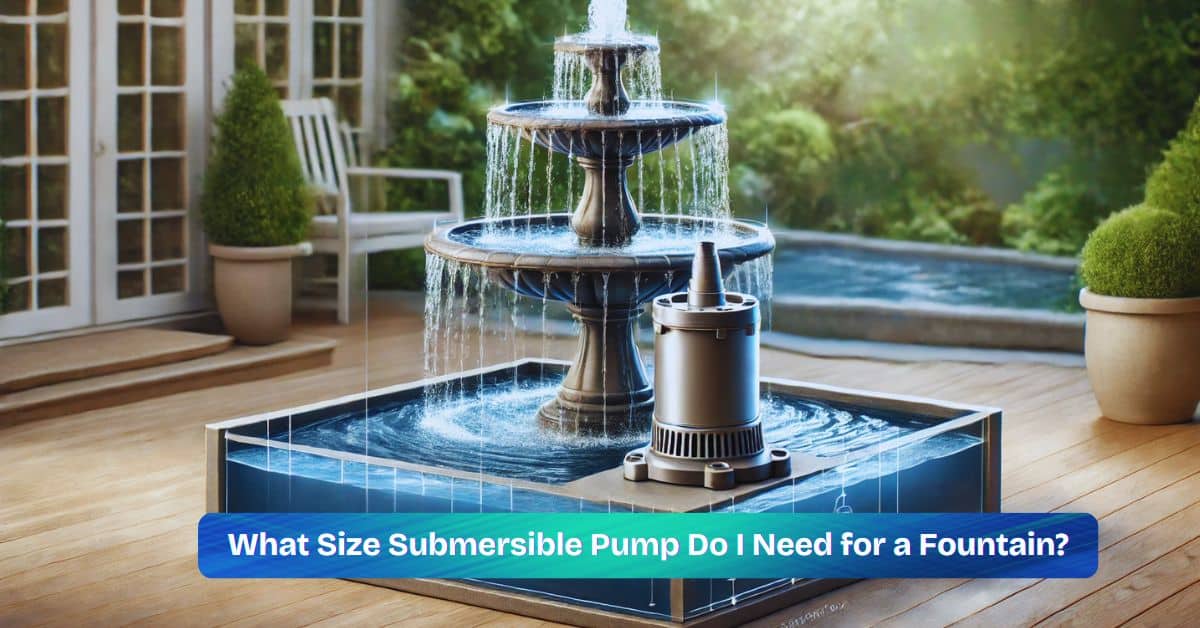
Choosing the right size submersible pump for your fountain is important for optimal performance and enjoyment. A good rule of thumb is to select a pump that can circulate the entire volume of water in your fountain at least once per hour. This means you need to consider the fountain’s size, the desired flow rate, and the head height where the water needs to be pumped.
When I set up my own fountain, I learned the importance of matching the pump size to the fountain’s design and water features. Getting it right enhances both aesthetics and functionality, making sure your fountain runs well and efficiently. Understanding these factors makes all the difference in creating a beautiful water display in your backyard.
With a bit of guidance, figuring out what size submersible pump you need can be straightforward. I’ll share practical tips to help you navigate through the selection process effectively, so you can enjoy the soothing sounds and sights of your fountain without any hassle.
Understanding Fountain Pumps
For fountain pumps, it’s essential to grasp the types available and the key components that make them work efficiently. Choosing the right pump can greatly affect your fountain’s performance and longevity.
Types of Pumps
Fountain pumps come in several types, each suited to different applications. The most common are submersible pumps, which are designed to work underwater. They can handle large volumes of water and provide the necessary pressure for a striking display.
Well pumps are another type often used for larger installations where water is drawn from deep sources. Pond pumps are typically designed for moving water in outdoor ponds. Each pump has its unique specifications, like head height and flow rate, which are important when deciding what pump to buy.
Remember, selecting the right type of pump means considering the size of your fountain, the height of the water feature, and any specific environmental factors that might affect pump efficiency.
Components of a Submersible Pump
A submersible fountain pump is built with several key components that determine its functionality. The motor is essential as it drives the pump, providing the power needed to move water. It usually has a sealed casing to prevent water damage.
The impeller is another critical part. It rotates to push water through the pump, creating that beautiful fountain flow. The design of the impeller directly affects how high and how forcefully water shoots out.
Finally, the casing protects these internal components, helping to keep the pump durable in various conditions. When selecting a submersible pump, pay attention to these components, as they will determine the pump’s efficiency and sustainability in your fountain setup.
Determining the Right Pump Size
Choosing the right size for a submersible pump is important for the performance of your fountain. It makes sure that the water flows as intended, creating the right aesthetic and atmosphere. You’ll want to focus on two main aspects: calculating the pump size and understanding the terms like GPH and head height.
Calculating the Pump Size
To determine the right pump size, I start by calculating the desired flow rate. This is usually measured in gallons per hour (GPH). For most fountains, a common guideline is to have a flow rate that circulates the entire volume of water in the fountain once every hour. For instance, if I have a 20-gallon fountain, I’d need a pump with at least a 20 GPH rating.
Next, I check the pump specifications for pump type and horsepower (hp). The right pump will not only meet the flow rate but also be powerful enough to handle the height of the water feature. If the pump is too small, the water won’t flow effectively. Using a fountain pump size calculator can help simplify this process.
Understanding GPH and Head Height
Understanding GPH alone isn’t enough; I also need to consider head height. This term refers to how high the pump can lift water vertically. It’s essential for fountains, where the water needs to reach specific heights to create a proper display.
When calculating head height, I measure from the water surface to the highest point the water must reach. For example, if my fountain has a maximum height of 3 feet, I need a pump that can handle that head height efficiently. Most pumps will have a chart showing their GPH at different head heights. Making sure that the pump meets both flow rate and head specifications will guarantee a successful fountain setup.
Installation and Maintenance
Proper installation and regular maintenance are important for making sure your fountain pump operates efficiently. I’ll guide you through setting up your pump and the steps for keeping it in tip-top shape.
Setting Up Your Fountain Pump
When installing your fountain pump, start by choosing a location that allows for easy access. This will make maintenance much simpler down the line. Make sure your pump is compatible with the fountain size and check the necessary discharge size.
Next, prepare the fountain hose and water pump tubing. Measure and cut the tubing to the required length. Make sure to avoid kinks that can restrict water flow. Connect the pump to the tubing securely.
To promote water quality, consider installing built-in filters. These help keep debris out of the pump, maintaining longevity. Once set up, fill your fountain with water, plug in the pump, and monitor the flow for optimal performance. Adjust the height as needed to prevent splashing.
Regular Maintenance
Maintaining your submersible pump is key to its durability and efficiency. I recommend checking the filter every month. If it gets clogged, it can hinder the pump’s performance. Cleaning the filter is usually a simple task. Just remove it, rinse off any debris, and replace it.
Inspect the fountain for any signs of algae or build-up. Clear this out to maintain water quality. Periodically check the tubing for cracks or leaks. Replacing worn tubing makes sure your pump runs well.
Also, consider draining and cleaning the fountain every few months. This prevents any build-up that might affect the pump. A well-maintained pump not only lasts longer but will also save you time and money in repairs.
Fountain Design Considerations
When setting up a fountain, the design is important for optimal performance. Sizing your fountain and selecting the right tubing and accessories gets the job done.
Sizing Your Fountain and Water Features
The size of your fountain impacts everything from the flow rate to the pump capacity. I recommend measuring both the dimensions of your fountain and the water volume it holds.
For example, if you’re dealing with a garden fountain, consider its height, width, and depth. This will guide you in picking a pump that can handle the water volume effectively.
A rule of thumb for calculating the flow rate is to have the entire water volume circulated every two hours. If you’ve got a 300-gallon water feature, aim for a pump that produces around 150 gallons per hour (GPH). This helps maintain a consistent and visually appealing fountain spout.
Selecting the Appropriate Tubing and Accessories
Once you’ve sized your fountain, the next step is selecting the right tubing and accessories. The tubing should match the pump outlet size, which typically ranges from ½ inch to 1 inch in diameter.
Using the proper fittings will make sure that water flows smoothly without any leaks. Be sure to use flexible piping for easier installation, especially if your fountain basin has unique shapes.
Additionally, consider a backflow preventer to keep water from flowing back into the pump when it’s off. This equipment helps maintain the efficiency of your outdoor water fountain and extends the life of your pump.
Choosing the right accessories not only enhances the performance but also adds to the aesthetic appeal of your water features.
Optimizing Fountain Pump Performance
To make sure your fountain pump works efficiently, I focus on two key areas: adjusting flow rates and head height, and considering energy efficiency. These aspects not only enhance performance but can also save money.
Adjusting Flow Rate and Head Height
Finding the right flow rate is vital for your fountain’s effectiveness. I always check the manufacturer’s specifications for optimal performance. The flow rate must match the fountain’s design to prevent splashing or insufficient water movement.
Adjusting the head height is equally important. A pump should be able to handle the required lift. To calculate it, consider the fountain’s height and any additional features like fountains or waterfalls. I typically choose a pump with a maximum lift at least 1.5 times greater than the head height needed.
If adjustments are necessary, I use flow reducers to modify the flow rate easily. Incorporating flow control valves can also give you precise control over the water flow, making sure that the fountain operates smoothly without overworking the pump.
Energy Efficiency and Cost Savings
Energy efficiency is a priority for me. I aim for a pump that delivers optimal performance without driving up energy bills. An oversized pump can waste energy and money, while an undersized one may not deliver sufficient flow.
Choosing a submersible pump with adjustable flow rates helps maintain efficiency. By using the right pump size and capacity, I can keep energy consumption low. Additionally, I look for pumps with higher efficiency ratings.
Regular maintenance also plays a role in energy efficiency. Cleaning the pump and fountain helps prevent algae growth and blockages, which can hinder water flow and increase energy use. Keeping it all in check helps me achieve the best results while being mindful of costs.
Practical Tips for Choosing the Right Submersible Pump
When selecting a submersible pump for your fountain, it’s important to consider several factors to make sure the pump meets your needs. Understanding the specific requirements can help you find a pump that will perform well, stay durable, and offer reliable functionality.
Factors to Consider When Selecting a Pump
First, think about the fountain size. The pump must have enough power to handle the water volume your fountain requires. This often means considering the flow rate, measured in gallons per minute (GPM).
Next, assess the total dynamic head (TDH), which is the vertical lift from the pump to the fountain’s highest point plus any resistance from bends or fittings.
Durability is also essential. Look for pumps made from corrosion-resistant materials, especially if you’re dealing with chlorinated or saltwater.
Don’t forget the warranty; a solid warranty usually indicates a trusted product.
Feel free to use user reviews as a guide. They can offer insights about ease of use and long-term performance, helping to narrow down your options.
Making the Final Decision
After considering these factors, it’s time to make your choice. Start by listing your top candidates based on performance and durability. I recommend creating a simple table comparing their key features.
Think about functionality, too. Some pumps come with advanced features, like automatic shutoff sensors, which could be very helpful.
Price is always a factor. While cheaper pumps can save you money upfront, investing in a quality pump often pays off through reduced repairs and replacements.
Above all, make sure the pump meets the specific needs of your fountain. Sometimes, it’s best to consult with a professional if you’re unsure. Knowing the right pump size will lead to better water circulation and a healthier fountain in your backyard.
Troubleshooting Common Pump Issues
I know that dealing with pump issues can be challenging, especially when you just want your fountain to perform perfectly. Two frequent concerns are low water flow and mechanical failures. Let’s dive into what you need to know.
Dealing with Low Water Flow
Low water flow can really put a damper on your fountain’s performance. If the water isn’t flowing as it should, first check the pipe diameter. A smaller diameter can create more friction, causing a drop in water speed. If the pipe is too narrow, it might be time to consider upgrading.
Next, check for friction loss in your system. This can occur in bends, filters, or any joints in the pipe. If you notice significant pressure loss, replacing worn components might be necessary.
Also, review the power supply to make sure that your pump is receiving the right voltage. Inadequate power can lead to reduced flow. Lastly, measure the dynamic head to see if your fountain’s height is putting extra strain on the pump. Adjust your setup if needed.
Handling Mechanical Failures
Mechanical failures in submersible pumps can be frustrating. One common issue is an overheated motor, often caused by insufficient water flow. If your pump is running dry, it can lead to major breakdowns. Always make sure your pump is submerged properly.
Worn-out seals can also cause leaks. This not only affects performance but can damage the motor too. Regularly inspect seals for wear and replace them at the first sign of deterioration.
Lastly, electrical faults can lead to pump failure. Check all wiring connections and verify that your pump is getting the correct voltage. If you’re unsure, consult with a professional.
Understanding Legal and Environmental Concerns
When choosing a submersible pump for a fountain, I must consider regulatory requirements and environmental impacts. These factors make sure my installation is not only effective but also responsible and sustainable.
Regulatory Compliance
It’s essential to check local regulations related to water features. Many regions have specific permits needed for installing fountains, especially if they use significant amounts of water or impact local wildlife.
I recommend contacting local authorities or reviewing municipal guidelines before proceeding. Understanding regulations can help avoid fines or removal orders down the line.
If I’m using a well, I also have to consider groundwater regulations. Municipalities may require a certain distance from water sources for my pump to operate safely. Compliance is key for a successful installation.
Eco-friendly Considerations
Considering eco-friendly practices is important when selecting a pump. I want to make sure my fountain is not just visually appealing but also sustainable.
Choosing an efficient submersible pump can reduce energy consumption. Energy-efficient models help lower the environmental footprint and operating costs.
Maintaining water quality is another concern. I need to make sure my pump circulates water sufficiently to prevent stagnation. This keeps algae growth in check and preserves the health of the ecosystem around my fountain.
Incorporating filtration systems can further improve water quality. These systems prevent contaminants from harming local wildlife. In addition, I should choose materials that resist decay and are environmentally friendly. Prioritizing these aspects results in a fountain that delights the eye and respects nature.
Frequently Asked Questions
Choosing the right submersible pump for your fountain can feel daunting. I’ll break down important questions to help you find the perfect match for your needs.
How can I determine the correct pump size for my fountain’s height and volume requirements?
To find the right pump size, start by measuring the height your fountain water needs to reach. This is called the “head height.” You should also consider the volume of water your fountain holds. A good rule is to select a pump that can move at least 1.5 times the fountain’s water volume per hour.
What are the essential factors to consider when choosing a submersible pump for an outdoor water feature?
When selecting a pump, evaluate the power source, flow rate, and head height. Make sure the pump is weather-resistant since it will be exposed to the elements. Also, consider the size of your fountain and any special features like lights or filters that may impact pump choice.
Could you guide me through calculating the appropriate water flow rate for my fountain?
To calculate flow rate, measure the volume of water in your fountain. Then, divide that number by the time you want it to cycle through, usually in hours. For example, if your fountain has 100 gallons and you want it to cycle every hour, you’ll need a pump with a flow rate of 100 gallons per hour.
What specifications should I look for in a pump if I need to achieve a lift of more than 20 feet for my fountain?
For lifts over 20 feet, look for pumps labeled as high-head or high-lift. These pumps are designed to handle greater heights effectively. Also, check the pump’s flow rate at that lift height, as it often decreases when pumping to higher elevations.
Can you recommend the best type of submersible pump for a residential water fountain?
I recommend centrifugal submersible pumps for residential fountains. They maintain a steady flow and are efficient for most water features. If your fountain needs more volume, consider using multiple pumps to distribute the workload effectively.
How do I match my fountain’s basin size and water volume with the right pump capacity?
The key is to make sure your pump can handle the basin’s water volume. Start by determining the size of your basin in gallons. Then, choose a pump that can cycle that amount of water within an hour. This will keep your fountain looking great and prevent stagnation.

Thomas Peterson
Owner WSA
About the Author
Latest Posts
Born and raised in Nanaimo on Vancouver Island. Thomas gained a deep appreciation for the importance of clean, reliable water. With over 15 years of experience working with water treatment systems, Thomas has become a trusted expert in helping local homeowners and businesses resolve the unique challenges of well water across the Island.
From hard water and iron buildup to low water pressure and sediment issues, Thomas takes a practical, no-nonsense approach to solving water problems. Whether it’s installing filtration systems or troubleshooting well pump issues, Thomas focuses on long-lasting solutions that help people get the clean, safe water they need.
As a proud local professional, Thomas is dedicated to serving his community with honesty, quality service, and expert advice tailored to the water conditions of Vancouver Island.
Areas of Expertise: Well Service, Well Pumps, Water Filtration Systems
- Clack Water Softener Alternatives: Top Systems for Hard Water Treatment in 2025 November 8, 2025
- Best Well Water Test Kit Options for Safe Home Water Testing in 2025 November 5, 2025
- Best Well Water TDS Meter for Accurate Home Testing in 2025 November 1, 2025
- Best Well Water Sediment Filter Systems for Clean Home Water in 2025 October 29, 2025
- Best Well Water Saltless Water Softener Systems for 2025 October 26, 2025
Facebook Twitter LinkedIn Instagram Reddit
Fact Checked & Editorial Guidelines
Our Fact Checking Process
We prioritize accuracy and integrity in our content. Here’s how we maintain high standards:
- Expert Review: All articles are reviewed by subject matter experts.
- Source Validation: Information is backed by credible, up-to-date sources.
- Transparency: We clearly cite references and disclose potential conflicts.
Your trust is important. Learn more about our fact checking process and editorial policy.
Reviewed by: Subject Matter Experts
Our Review Board
Our content is carefully reviewed by experienced professionals for accuracy and relevance.
- Qualified Experts: Each article is assessed by specialists with field-specific knowledge.
- Up-to-date Insights: We incorporate the latest research, trends, and standards.
- Commitment to Quality: Reviewers check clarity, correctness, and completeness.
Look for the expert-reviewed label to read content you can trust.