
What Would Make a Well Pump Stop Working? (Best Guide)
What would make a well pump stop working? A well pump is a part of my home’s water system, and when it fails, the consequences can be frustrating and confusing.

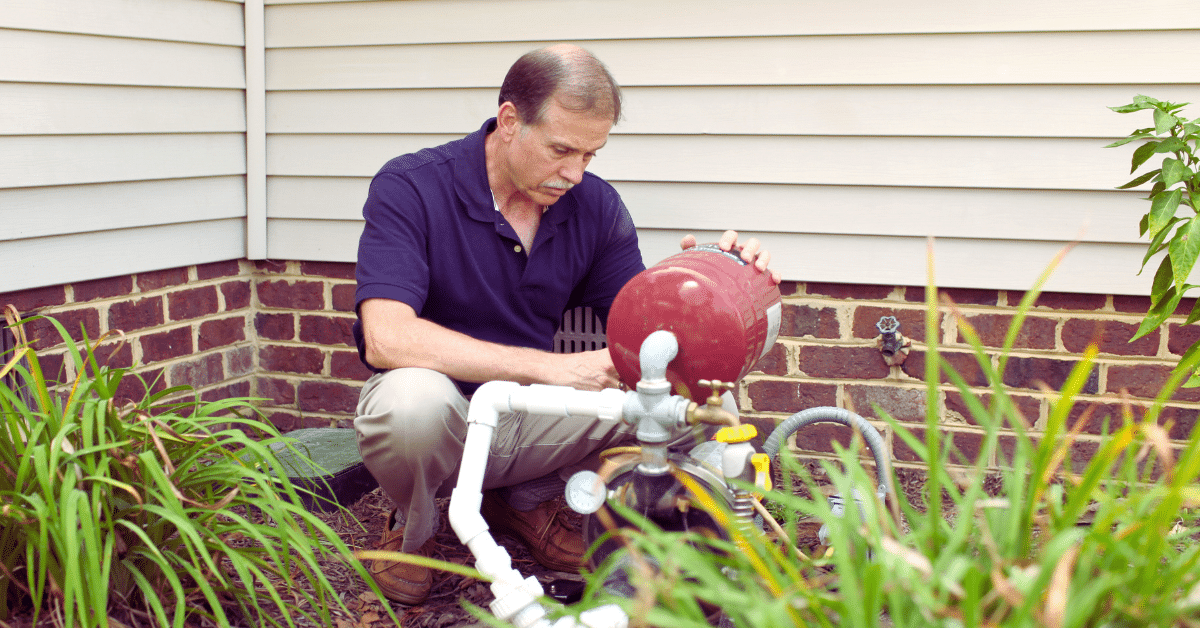
A well pump is a vital part of my home’s water system, and when it fails, the consequences can be frustrating and confusing. Several factors can cause a well pump to stop working, including electrical issues, mechanical failures, and problems with the pressure tank. Understanding these reasons can help me troubleshoot the situation before seeking professional help.
I know from experience that a sudden loss of water pressure or no water at all can point to a malfunction in the well pump system. Simple checks like inspecting the power supply or looking for any running faucets can help isolate the problem. However, if the pump continues to struggle, it may be time for a deeper dive into the components involved.
When I encounter problems with my well pump, taking the right steps will not only save me time but also prevent further damage to the system. Let’s explore the common causes of well pump failure and how I can effectively diagnose and resolve these issues.
Understanding Your Well Pump System
A well pump system is essential for getting water into your home. Understanding its components and how it operates can help you identify problems when they arise.
Components of a Well Pump System
The key parts of a well pump system include the well pump, pressure switch, pressure tank, check valve, air valve, and sometimes a submersible pump.
- Well Pump: This is the heart of the system, drawing water from your well. It can be located above ground or submerged.
- Pressure Switch: This small device controls the pump’s operation based on the water pressure in the system. It turns the pump on or off as needed to maintain the right pressure.
- Pressure Tank: This tank holds water and helps maintain consistent pressure in the plumbing system. It reduces the need for the pump to cycle on and off constantly.
- Check Valve: This valve makes sure that water flows only in one direction, preventing backflow.
- Air Valve: This is used to manage air pressure within the system, which can affect how efficiently water is pumped.
How the System Works
The well pump system operates by drawing water from the underground well. When you turn on a tap, the pressure switch detects a drop in pressure.
The switch engages the pump, and water is pushed into the pressure tank. As the tank fills, it maintains pressure until you turn off the tap.
If there’s a leak or issue, the pressure can drop too low. This can cause the pump to run more frequently or even stop working altogether.
For systems with a submersible pump, it operate submerged in the well water. It’s generally quieter and more efficient than above-ground pumps, but troubleshooting can be trickier. Understanding these components will help me diagnose and solve issues when they arise.
Common Causes of Well Pump Failure
I’ve seen it many times—homeowners scratching their heads when their well pump stops working. Let’s dive into some common reasons behind pump failure, which often stems from electrical issues, mechanical wear and tear, or problems with the water source itself.
Electrical Issues
One of the first things I check is electrical problems. A tripped circuit breaker can shut down your well pump instantly. It’s worth looking at your breaker box to reset it if needed. If it trips again, there could be deeper issues at play, like faulty components.
A power outage can also disrupt the flow. If the power supply isn’t consistent, the pump won’t function properly. Lastly, a malfunctioning pressure switch can prevent the pump from starting up altogether. These electrical faults can cause frustrating delays in getting your water back.
Mechanical Wear and Tear
Mechanical problems are another leading cause of pump failure. Pumps have moving parts that wear out over time. When the bearings or impellers wear down, the pump may struggle or fail completely.
Regular maintenance can help catch these issues early. I recommend checking for unusual noises or vibrations, which can be signs of trouble. If you notice decreased water flow or pressure, it might be time for a closer inspection. Remember, a little attention can go a long way in prolonging your pump’s life.
Water Source Problems
Finally, let’s talk about water source issues. If the aquifer supplying your well becomes depleted, your pump may not be able to draw enough water. This could lead to overheating and damage. I’ve encountered this more often in dry seasons.
Soil conditions can also affect your water supply. If the ground shifts or changes, it might block water flow into your well. Keeping an eye on your water level and surrounding conditions can alert you to potential problems before they escalate.
Understanding these causes can help you maintain your well pump and make sure that you have reliable access to water.
Diagnosing Well Pump Issues
When diagnosing well pump issues, it’s important to follow a systematic approach. Key troubleshooting steps, the symptoms of common problems, and how to test the pressure tank are covered below.
Troubleshooting Steps
First, I check the power supply. Maintain the circuit breaker hasn’t tripped. If it has, resetting it might do the trick. If the pump still doesn’t work, I inspect the well pump’s wiring for any loose connections or damage.
Next, I look for any problems in the plumbing. A broken water line between the well and the house could be the culprit. If I notice wet spots along the pipe, it’s a sign of trouble. Remember, issues may not always stem from the pump itself. Sometimes, the faucets might be running, making it seem like the pump isn’t delivering water.
Identifying Symptoms
Common symptoms of well pump issues include sputtering water and low water pressure. If I turn on the tap and water pours out in bursts, it indicates a possible problem with the pressure tank or a failing pump.
Another sign is fluctuating water pressure. If the water pressure drops suddenly or is inconsistent, I have to investigate further. Low water pressure can be caused by blockages or leaks in the pipe system, so checking these is essential.
Identifying these symptoms early can save time and prevent further damage. Keep a close eye on your water supply routine; it often reveals problems before they escalate.
Testing the Pressure Tank
To test the pressure tank, I first check the tank pressure using a gauge. The ideal pressure should be between 38-60 psi. If it’s too low, it could lead to poor water delivery.
Next, I inspect the air bladder inside the tank. A faulty bladder can contribute to low water pressure or cause the pump to cycle too frequently. If I suspect issues, I may need to drain the tank completely and check the air pressure again.
Finally, I look for signs of tank damage, like rust or leaks. Addressing pressure tank problems promptly can prevent further well pump failure down the line and keep your water system working well.
Resolving Common Problems
Dealing with a malfunctioning well pump can be frustrating. I want to share some practical steps to help you get things back on track. Here are a few key issues you might encounter and how to address them effectively.
Resetting Tripped Breakers
One of the first things I check when my well pump stops working is if the breaker has tripped. A tripped breaker can cut off power to your well pump.
To fix this, locate the breaker box in your home. Look for the circuit that controls the well pump. If it’s in the “off” position, flip it back to “on.”
If this happens often, it could point to an overloaded circuit or faulty wiring. In that case, getting a qualified technician to inspect your system is important.
Pressure Switch Adjustment
A faulty pressure switch can cause your well pump to fail. This switch tells the pump when to turn on and off based on pressure levels in the water tank.
First, locate the pressure switch, usually found near the pressure tank. Check for corroded connections or dirt, which can affect its performance.
If the switch is dirty, clean it gently. If it still doesn’t function, you may need to adjust the settings. Increasing or decreasing the pressure settings might help.
If you aren’t comfortable doing this, I suggest calling a professional to handle it safely.
Addressing Water Quality Issues
Sometimes, dirty water can be mistaken for a pump issue. If your water looks murky or has a strange smell, it might signal a problem.
Start by checking the water filter, if you have one. A clogged filter can affect water quality and pressure. I also recommend testing your water for contaminants. This can inform you if there’s a more serious issue.
If you suspect a deeper problem with your well itself, it may be time to contact a well pump repair expert. They can evaluate water quality issues and advise you on the best course of action.
Check Valve Replacement
The check valve is vital for keeping water from flowing back into the well when the pump isn’t running. A malfunction can lead to air getting into the system, causing pressure issues.
To check the valve, locate it on the discharge pipe above the pump. If you hear water gurgling or notice fluctuating water pressure, it might be time to replace it.
Replacing a faulty check valve is straightforward. Turn off the power to the pump, unscrew the old valve, and install a new one. Make sure it’s facing the right direction.
If you’re unsure, don’t hesitate to call a plumber who knows well systems. Your well deserves proper care for reliable water access.
When to Call in a Professional
Sometimes, I see signs that it’s time to bring in a professional for well pump issues. Certain problems are beyond basic troubleshooting and need an expert’s touch. Knowing when to call for help can save you time, money, and frustration.
Complex Electrical Repairs
Electrical issues can be tricky. If your breaker keeps tripping or there are power interruptions, I recommend calling in a professional. These problems could indicate a failing pump or faulty wiring.
Professionals can accurately diagnose electrical faults and safely repair them. Attempting these repairs on your own can lead to safety hazards, including shocks or fire risks.
If you’re not experienced with electrical systems, letting a trained technician handle this is the best choice.
In-Depth Mechanical Fixes
Sometimes, mechanical failures occur deep within the well pump. If you notice strange noises or the pump isn’t performing well, it might be a mechanical issue.
Things like a damaged impeller, clogged filters, or worn seals can cause problems. These are not DIY tasks. In my experience, proper tools and knowledge are essential to address mechanical problems.
A qualified technician can analyze the situation and repair or replace damaged parts effectively. This can prevent further damage and make sure the pump operates smoothly.
System Upgrades
If your well pump is outdated or if your needs have changed, it might be time for an upgrade. I’ve seen many cases where existing pumps just can’t keep up with increased demands.
A professional can evaluate your current system and recommend suitable upgrades. They can also help with sizing a new pump to make sure it meets your household needs.
Upgrading isn’t just about better performance; it can also improve energy efficiency. A professional can guide you in choosing the right equipment for long-term benefits.
Maintaining Your Well Pump System
Taking care of your well pump system is important to maintain a steady supply of running water. Regular checks and preventive steps can help avoid issues like a decrease in water pressure or complete pump failure. Here are some essential practices to keep your system working well.
Regular Inspections
I check my well pump system at least once a year. Regular inspections can reveal problems before they escalate. I look for signs of wear and tear on the pressure tank and other components.
I also check the electrical connections. Loose or corroded wires can cause failures. Inspecting the well casing and surrounding area for leaks or cracks is essential too.
If I notice any decrease in water pressure while using taps, it’s time for a deeper inspection. Taking these steps can help keep my well water supply steady and reliable.
Preventive Measures
Preventive measures are key to maintaining a well pump system. First, I make sure the pressure tank is maintained at a healthy pressure level. If it’s too low or too high, it can affect the flow of water. I adjust it regularly based on the manufacturer’s guidelines.
I also keep the area around the well clear of debris and vegetation. This prevents damage during storms and maintains easy access for future repairs. It’s wise to install a surge protector for the pump to guard against electrical issues.
Another important step is testing the water quality annually. Contaminants can harm the pump and affect the water supply.
Long-Term System Care
Long-term system care focuses on the pump’s lifespan. I make sure I’m using a high-quality pump that suits my water needs. Regular maintenance of the pressure tank is also vital. I drain and clean the tank every few years to remove buildup.
Moreover, if my well has not been used for a while, I run the pump occasionally to keep it in good shape. Monitoring the system for any unusual sounds or changes in flow is important. If there are issues, I address them right away.
Proper care makes all the difference in keeping my well pump system efficient. Taking these steps helps me avoid costly repairs and makes sure I always have access to clean, running water.
Vancouver Island Causes of a Stopped Pump
Two Island conditions can mimic pump failure. The first is drought: Island Health notes that drought leaves less water available to supply drinking water and raises the risk of groundwater overuse, and it recommends private well owners consider monitoring water levels so water use can be adjusted before the well runs dry (Island Health – Drought). Local aquifer conditions can be tracked on the provincial groundwater level map, and your own well’s depth is on its GWELLS record if it was drilled after February 29, 2016.
The second is saltwater. If your well is near the coast, Island Health warns that groundwater overuse can increase the potential that seawater enters coastal aquifers, and it directs well owners to B.C.’s saltwater-intrusion best practices (Island Health – Drought). When the diagnosis does land on the pump itself, do not pull it yourself: installing a well pump is a restricted activity in B.C., and in most cases only a registered well pump installer may perform the work, with duties that include disinfecting the well and restoring the surface seal and cap (Province of B.C. – Installing a Well Pump).
Frequently Asked Questions
When dealing with a failing well pump, several concerns often arise. I’ll address common signs of trouble, how to evaluate your pump without removing it, and potential reasons for water flow issues.
What are common indicators of a failing well pump?
I often see a few clear signs that your well pump might be failing. The most obvious is low or fluctuating water pressure. You might also notice strange noises, like grinding or humming, coming from the pump. Additionally, if your pump runs continuously but provides little or no water, it’s time to investigate.
How does one assess a well pump’s functionality without removing it?
To check on a well pump’s functionality without taking it out, I like to begin with the pressure gauge. If the pressure is significantly lower than usual, that’s a red flag. Also, checking the electrical connections and making sure there’s power to the pump are good first steps.
Why might there be an absence of water despite the well pump operating?
If your well pump is running but there’s no water, there are a few culprits. One reason could be a dry well, especially during drought conditions. Another possibility is a damaged or clogged pump impeller, which prevents water from moving through the system.
What troubleshoots should be conducted for a non-functioning submersible well pump?
For a non-functioning submersible pump, I’d start by checking the circuit breaker. If it’s tripped, resetting it may solve the issue. If that doesn’t work, inspecting the wiring and looking for blockages in the discharge line can help identify the problem.
What could be the reason behind a water pump failing to activate?
Why would a well pump operate intermittently, with periods of no water flow?
Intermittent operation often points to pressure tank issues. A faulty pressure switch could also cause this. Rapid cycling can lead to wear on the components and should be addressed promptly to avoid more severe damage down the line.

Thomas Peterson
Owner WSA
About the Author
Latest Posts
Born and raised in Nanaimo on Vancouver Island. Thomas gained a deep appreciation for the importance of clean, reliable water. With over 15 years of experience working with water treatment systems, Thomas has become a trusted expert in helping local homeowners and businesses resolve the unique challenges of well water across the Island.
From hard water and iron buildup to low water pressure and sediment issues, Thomas takes a practical, no-nonsense approach to solving water problems. Whether it’s installing filtration systems or troubleshooting well pump issues, Thomas focuses on long-lasting solutions that help people get the clean, safe water they need.
As a proud local professional, Thomas is dedicated to serving his community with honesty, quality service, and expert advice tailored to the water conditions of Vancouver Island.
Areas of Expertise: Well Service, Well Pumps, Water Filtration Systems
- Clack Water Softener Alternatives: Top Systems for Hard Water Treatment in 2025 November 8, 2025
- Best Well Water Test Kit Options for Safe Home Water Testing in 2025 November 5, 2025
- Best Well Water TDS Meter for Accurate Home Testing in 2025 November 1, 2025
- Best Well Water Sediment Filter Systems for Clean Home Water in 2025 October 29, 2025
- Best Well Water Saltless Water Softener Systems for 2025 October 26, 2025
Facebook Twitter LinkedIn Instagram Reddit
Fact Checked & Editorial Guidelines
Our Fact Checking Process
We prioritize accuracy and integrity in our content. Here’s how we maintain high standards:
- Expert Review: All articles are reviewed by subject matter experts.
- Source Validation: Information is backed by credible, up-to-date sources.
- Transparency: We clearly cite references and disclose potential conflicts.
Your trust is important. Learn more about our fact checking process and editorial policy.
Reviewed by: Subject Matter Experts
Our Review Board
Our content is carefully reviewed by experienced professionals for accuracy and relevance.
- Qualified Experts: Each article is assessed by specialists with field-specific knowledge.
- Up-to-date Insights: We incorporate the latest research, trends, and standards.
- Commitment to Quality: Reviewers check clarity, correctness, and completeness.
Look for the expert-reviewed label to read content you can trust.