
Which Pump Should I Use for a 15m Deep Well? (Best Guide)
Which pump should I use for a 15m deep well? Submersible pump is typically best choice, as it’s designed to operate underwater and can supply water from depths.

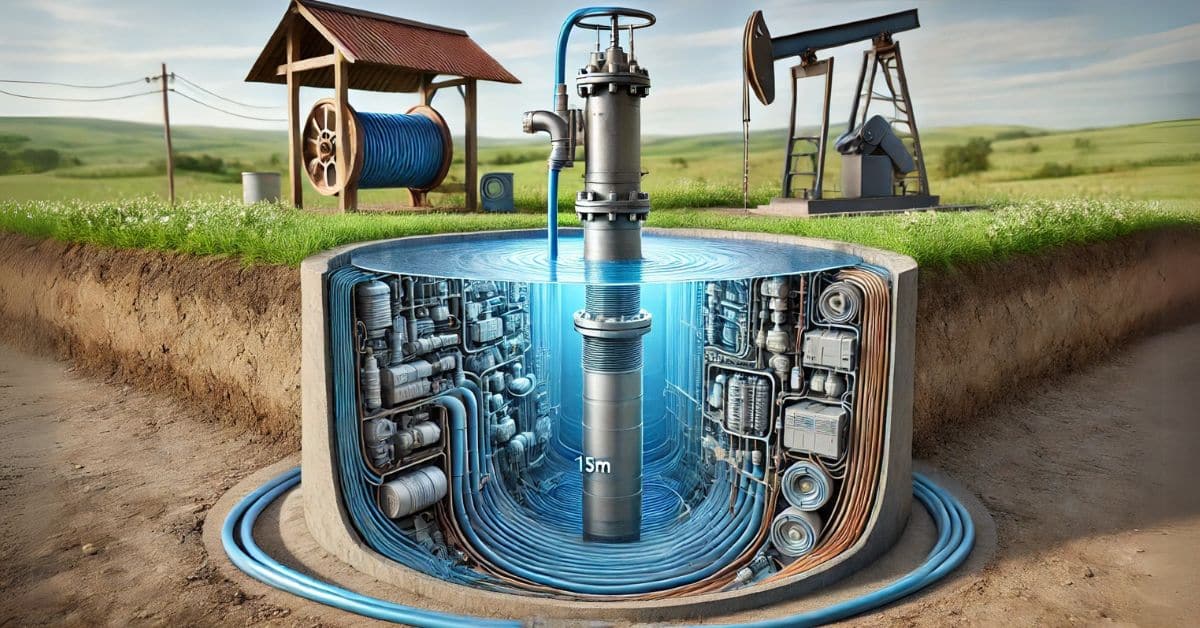
Choosing the right pump for a 15-metre deep well can make a big difference in your water supply. For this depth, a submersible pump is typically the best choice, as it’s designed to operate underwater and can efficiently supply water from greater depths. With so many options available, it’s important to understand the specifications of your well and how they impact your pump selection.
I’ve learned that the well’s depth, yield, and your household’s water needs all play key roles in picking the right device. It’s not just about getting water; it’s about getting the right amount at the right pressure. As we dive into this topic, I’ll share insights on different pump types, what to consider during installation, and tips for keeping your pump working well.
Understanding Well Specifications
When choosing a pump for a 15m deep well, it’s important to understand the well’s specifications. Important factors include the depth of the well, the static water level, and the water supply matching your household needs.
Assessing the Well Depth and Water Level
First, I need to determine the exact depth of the well. In this case, it’s 15m. Next, I find out the static water level, which is the distance from the surface to the water table when the pump is not running. This helps me know how deep the pump must be set.
Many wells also experience a recharge rate, the speed at which groundwater replenishes. If the well has a low recharge rate, I need to be cautious about how much water I draw. For example, if my static water level is at 10m, I need a pump that can draw from that depth efficiently without running it dry.
Determining Your Water Supply and Demands
My next step is to evaluate the water demands of my household. Is it just me, or do I have a family using water for showers, laundry, and gardening? A good estimate for residential use can vary but generally hovers around 10 to 15 gallons per minute for a family of four.
If I need 12 gallons per minute, I must make sure the pump can meet that demand while accounting for any fluctuations in the supply. If the well doesn’t supply enough water consistently, I might face shortages. That’s why knowing my well’s capacity and needs is critical in making the right choice for a reliable water pump.
Overview of Pump Types
When selecting a pump for a 15-metre deep well, it’s essential to understand the types available. The right choice affects not only water flow but also efficiency and maintenance needs. I’ll break down the main options, highlighting the differences and their applications.
Comparing Submersible Pumps and Jet Pumps
Submersible pumps are designed to operate underwater. They are efficient and can handle deeper wells, making them ideal for my 15-metre depth. These pumps convert electrical energy into mechanical energy, pushing water to the surface. With fewer moving parts exposed to air, they often have a longer lifespan and lower maintenance needs.
On the other hand, jet pumps are installed above ground. They work by creating a vacuum to pull water up from the well. Single-pipe shallow-well jet pumps are limited to about 7.5 m (25 ft) of suction lift at sea level and will not work for a ~15 m water level. For around 15 m, you need either a two-pipe deep-well/convertible jet pump with a deep-well ejector installed in the well, or a submersible pump. These pumps are often easier to access for repairs, but may require more frequent maintenance.
Shallow Well Pump Options
For shallow wells, single-pipe jet pumps are designed for a maximum suction lift of about 7.5 metres (25 ft) at sea level. These pumps are generally less complex and more affordable, but they are not suitable for a ~15 m water level.
I find that shallow well pumps are ideal if you’re looking for quick installation and hassle-free operation. They typically come as jet pumps or convertible pumps, allowing for some flexibility in usage. A shallow well pump might not fit my 15-metre scenario perfectly, but understanding them helps in knowing all my options.
Selecting the Right Pump for Your Well
Choosing the right pump for a 15m deep well involves understanding several key factors. You need to calculate the pump size, determine horsepower needs, and analyze the water output required for your household or property. Let’s break this down.
Calculating the Ideal Pump Size
The size of the pump is important to make sure it can effectively draw water from your well. For a depth of 15m, I recommend looking for a pump that can handle that vertical distance comfortably.
A submersible pump is often ideal for this depth. It sits underwater and is designed for deeper wells. You’ll want to check the pump’s specifications to make sure it can lift water from at least 15m.
Make adjustments if there are additional factors, like water level fluctuations. It’s wise to choose a pump with a little extra capacity to handle any surprises.
Understanding Pump Horsepower Requirements
Horsepower (HP) is vital for pump performance. For a 15m deep well, a 1 HP pump is typically sufficient. This horsepower can usually deliver the pressure needed to lift water to your home efficiently.
However, if you have multiple outlets or need higher water output, consider a pump with more horsepower. Higher HP means greater efficiency, particularly if your household uses a lot of water simultaneously.
Check the manufacturer’s specifications to make sure the chosen pump meets your horsepower needs for optimal performance.
Analyzing Water Output Needs
Knowing how much water you need each minute helps guide your pump choice. Gallons per minute (GPM) is the standard measurement for water output.
For most homes, a water output of 5 to 10 GPM is adequate. If you have high water demands, such as irrigation or multiple fixtures running at once, aim for a higher GPM.
When selecting your pump, make sure it can provide the desired gallons per minute based on your household requirements. This way, you avoid future frustrations with low water pressure or insufficient supply.
Installation Considerations
When installing a pump for a 15m deep well, it’s important to get the details right. I’ll guide you through figuring out the correct pump depth and examining well casing compatibility. These steps can make a big difference in performance and longevity.
Determining the Correct Pump Depth
One critical factor in pump installation is the correct depth. I usually recommend placing the pump at least 1.5 to 3 metres above the bottom of the well. This distance helps prevent the pump from drawing in sediment and other debris.
If the well has a standing water level of 10 metres, my pump would ideally be around 7-8 metres deep. This positioning helps maintain a steady water supply without clogging. It’s also essential to consider seasonal changes; if water levels drop, a deeper placement will prevent the pump from running dry, which can cause damage.
Examining Well Casing Compatibility
Well casing size matters when choosing the right pump. I find that most submersible pumps need a casing diameter of at least 4 inches. This is the minimum standard to maintain proper fit and functionality.
If your well casing is narrower, I recommend looking for a more compact pump designed for smaller casings. Additionally, check for any potential blockages or irregularities inside the casing that may impact the pump’s performance. By making sure the pump fits snugly in the casing, I can avoid unnecessary vibrations and mechanical failures down the line.
Optimizing Pump Performance
To get the best performance from your 15m deep well pump, I focus on achieving the right water pressure and using technology like cycle sensors. Both of these elements significantly improve efficiency and make sure you’re getting the most out of your system.
Achieving Optimal Water Pressure
Getting the right water pressure is important. For residential use, I recommend aiming for around 40 to 60 psi. This pressure range is ideal for most household needs, like showers and washing machines.
To achieve this, I first check the pump’s specifications to make sure it can generate the required psi. If my pump struggles to reach this level, I may need to adjust the pressure switch settings or consider a different pump model that can handle greater depths and demands.
Regular maintenance is also key. Sediment build-up in the well or piping can impact water flow. I clean filters and inspect the entire system to make sure everything runs well. Keeping an eye on fluctuating pressures can help catch any issues early.
Utilizing Cycle Sensors for Efficiency
Cycle sensors are a game changer. These devices monitor the pump’s operation and adjust the cycle frequency based on water demand. By doing this, I prevent the pump from overworking or running dry, which can save wear and tear.
When the sensors detect a drop in water levels, they help maintain consistent pressure without running the pump unnecessarily. This not only maximizes efficiency but also optimizes energy use.
I also make sure the sensor is calibrated correctly. When set right, it can help maintain that sweet spot of water pressure without constant on/off cycling, which can lead to burnout. Investing in a quality cycle sensor can enhance the longevity of my deep well pump significantly.
Maintaining Your Well Pump
Keeping your well pump in good shape is important for maintaining a steady supply of water. I’ve learned that routine care and keen troubleshooting can save you both headaches and costs.
Routine Inspection and Maintenance
I recommend checking your well pump every few months. First, look for any visible signs of wear or leaks. Any damp spots around the pump or wellhead may indicate a problem.
Key areas to check include:
- Electrical connections: Make sure all wiring is intact and securely connected.
- Pressure switch: This controls the pump’s operation. Make sure it’s functioning properly.
- Pump casing: Inspect for cracks or corrosion that can affect its performance.
Also, listen for unusual noises when the pump runs. Odd sounds could signal a mechanical issue. And don’t forget to monitor your water quality. Regular tests can help catch any problems early, like contamination or mineral buildup.
Troubleshooting Common Issues
If your well pump isn’t working properly, I find it’s often a simple fix. Here are some common issues and their solutions:
- Pump won’t start: Check the power supply and maintain the circuit breaker hasn’t tripped. If it trips frequently, there may be an electrical problem.
- No water flow: This might be due to a clogged filter or an empty well. If the well level is low, allow it to refill.
- Low water pressure: This could indicate a leak in the pipes or a malfunctioning pressure tank. Carefully inspect for leaks and make sure the tank is functioning correctly.
Always remember that accurate troubleshooting can prevent more serious issues down the line. Regular checks and timely fixes mean your well water supply stays reliable and efficient.
Frequently Asked Questions
When dealing with a 15m deep well, it’s important to know what pump will work best for your needs. The answers to some common questions can guide you in making an informed decision.
What’s the ideal pump type for maximizing water yield from my deep well?
For a deep well, a submersible pump is usually the best choice. These pumps sit underwater, pushing water to the surface effectively. They work well for depths like 15m, making sure you get a reliable supply of water.
How do you reckon the power needed for a pump to draw water up from around 50 feet?
To lift water from about 50 feet, I usually recommend a pump with at least 1 HP. This power helps overcome the lift needed. Make sure to also consider other factors, like pipe size and flow rate, which can affect efficiency.
Can you shed some light on the max lifting capacity of a 1/2 HP water pump?
A 1/2 HP water pump can typically lift water up to about 25–30 feet, depending on the design and type of pump. For a ~15 m (≈50 ft) water level, a shallow-well jet will not work; you’ll need a submersible or a two-pipe deep-well jet sized for the total dynamic head and desired flow.
For a reliable water supply, what size of deep well pump should I be looking at?
For most households, a pump that delivers around 10-20 gallons per minute (GPM) works well. If your needs are higher, consider a larger pump. The goal is to keep your water flow steady without straining the system.
Just how deep can you go with a hand pump for well water access?
With a hand pump, you can effectively reach depths of up to 25-30 feet. Beyond that, it becomes quite a workout! For a deeper well, you might need a more advanced pumping system.
When considering a submersible versus a jet pump, which one wins out for deep wells?
Submersible pumps are generally better for deep wells because they can handle higher depths with ease. Jet pumps work best in shallower wells. For my 15m well, I’d stick with a submersible for reliability and efficiency.

Thomas Peterson
Owner WSA
About the Author
Latest Posts
Born and raised in Nanaimo on Vancouver Island. Thomas gained a deep appreciation for the importance of clean, reliable water. With over 15 years of experience working with water treatment systems, Thomas has become a trusted expert in helping local homeowners and businesses resolve the unique challenges of well water across the Island.
From hard water and iron buildup to low water pressure and sediment issues, Thomas takes a practical, no-nonsense approach to solving water problems. Whether it’s installing filtration systems or troubleshooting well pump issues, Thomas focuses on long-lasting solutions that help people get the clean, safe water they need.
As a proud local professional, Thomas is dedicated to serving his community with honesty, quality service, and expert advice tailored to the water conditions of Vancouver Island.
Areas of Expertise: Well Service, Well Pumps, Water Filtration Systems
- Clack Water Softener Alternatives: Top Systems for Hard Water Treatment in 2025 November 8, 2025
- Best Well Water Test Kit Options for Safe Home Water Testing in 2025 November 5, 2025
- Best Well Water TDS Meter for Accurate Home Testing in 2025 November 1, 2025
- Best Well Water Sediment Filter Systems for Clean Home Water in 2025 October 29, 2025
- Best Well Water Saltless Water Softener Systems for 2025 October 26, 2025
Facebook Twitter LinkedIn Instagram Reddit
Fact Checked & Editorial Guidelines
Our Fact Checking Process
We prioritize accuracy and integrity in our content. Here’s how we maintain high standards:
- Expert Review: All articles are reviewed by subject matter experts.
- Source Validation: Information is backed by credible, up-to-date sources.
- Transparency: We clearly cite references and disclose potential conflicts.
Your trust is important. Learn more about our fact checking process and editorial policy.
Reviewed by: Subject Matter Experts
Our Review Board
Our content is carefully reviewed by experienced professionals for accuracy and relevance.
- Qualified Experts: Each article is assessed by specialists with field-specific knowledge.
- Up-to-date Insights: We incorporate the latest research, trends, and standards.
- Commitment to Quality: Reviewers check clarity, correctness, and completeness.
Look for the expert-reviewed label to read content you can trust.